
Key Highlights
- Tomb of Amenhotep III:Reopened after 20 years of restoration.
- Historical Significance:Dates back to 1390-1350 BCE during the 18th Dynasty.
- Restoration Efforts:Led by Japanese experts in collaboration with UNESCO.
The tomb of Pharaoh Amenhotep III, a significant archaeological site located in the Valley of the Kings, has officially reopened to the public after more than two decades of meticulous restoration. This reopening marks a pivotal moment for Egypt's cultural heritage, allowing visitors to explore the rich history of one of its most revered pharaohs. The tomb, which dates back to the 18th Dynasty around 1390 to 1350 BCE, was originally discovered in 1799 but has faced numerous challenges over the years, including looting and damage from environmental factors.
The restoration project, a collaborative effort involving Japanese experts and UNESCO, has been executed in three phases. The aim was to revive the tomb's stunning wall paintings, frescoes, and inscriptions from the Book of the Dead, which had faded into obscurity. The restoration has successfully brought back to life the vibrant colors and intricate details that characterize ancient Egyptian artistry, allowing visitors to appreciate the craftsmanship that has survived for millennia.
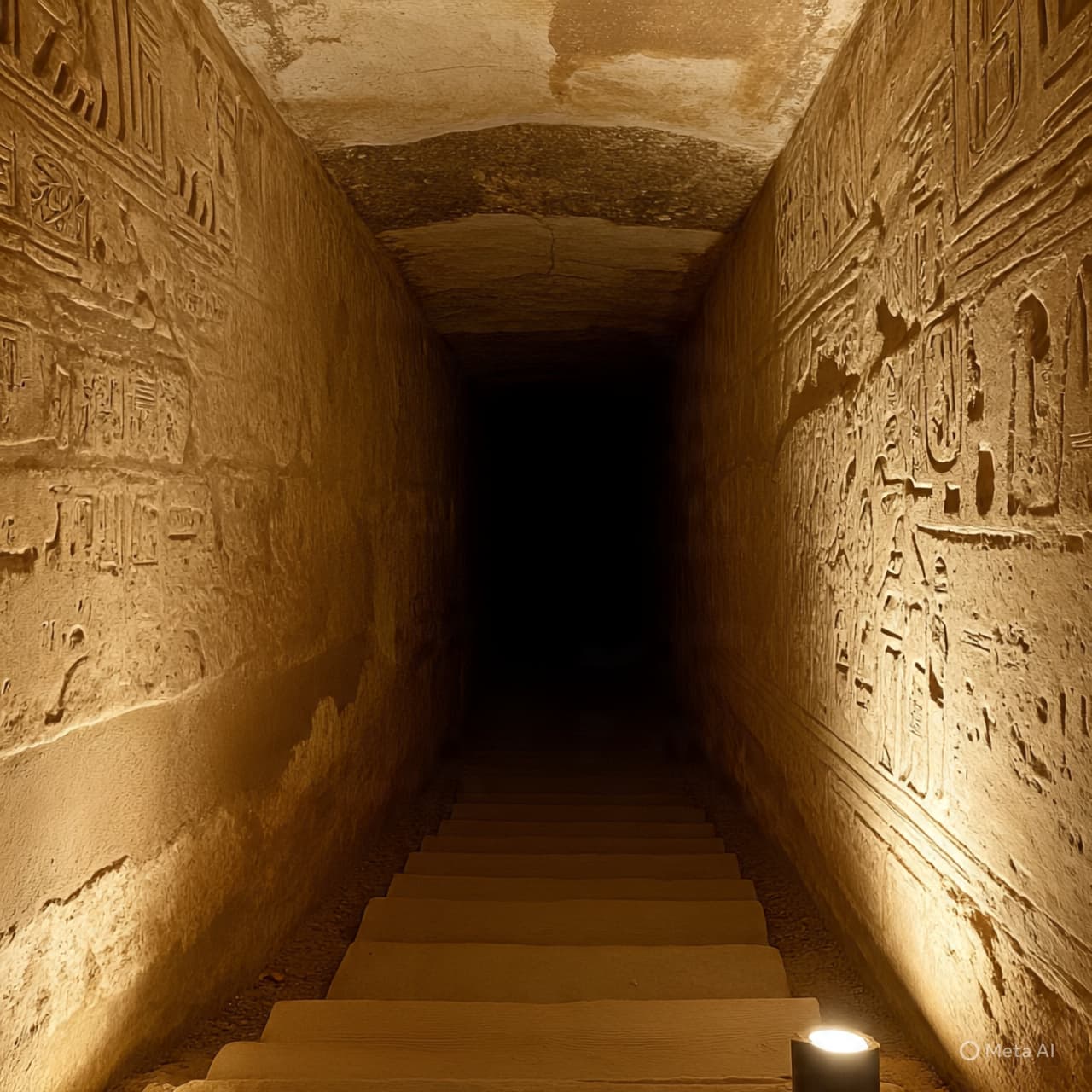
Visitors to the tomb will descend through a passage that extends 14 meters deep and 36 meters long, leading them to the main burial chamber of Amenhotep III. This chamber is flanked by two side chambers dedicated to his queens, Tiye and Sitamun. While not every wall is fully adorned, the restored sections offer a breathtaking glimpse into the past, showcasing divine imagery and hieroglyphs that tell stories of the pharaoh's reign and beliefs.
Despite the extensive restoration, the original sarcophagus lid remains missing, leaving only the frame and surrounding stone elements visible. This absence serves as a reminder of the tomb's tumultuous history, yet the efforts to preserve and protect the site have ensured that it can be appreciated by future generations.
The timing of the tomb's reopening is particularly significant, coinciding with the upcoming inauguration of the Grand Egyptian Museum in Cairo. This new museum is part of a broader initiative to revitalize Egypt's heritage tourism sector, which has faced challenges in recent years. By enhancing the visitor experience and showcasing the country's rich history, authorities hope to attract more tourists and foster a deeper appreciation for Egypt's ancient civilization.
As the tomb of Amenhotep III opens its doors once again, it stands as a testament to the enduring legacy of ancient Egypt and the ongoing efforts to preserve its cultural treasures for the world to explore and admire.
Published by Banx Network. This article is part of the Banx decentralized media programme, powered by the BXE token on the XRP Ledger.



