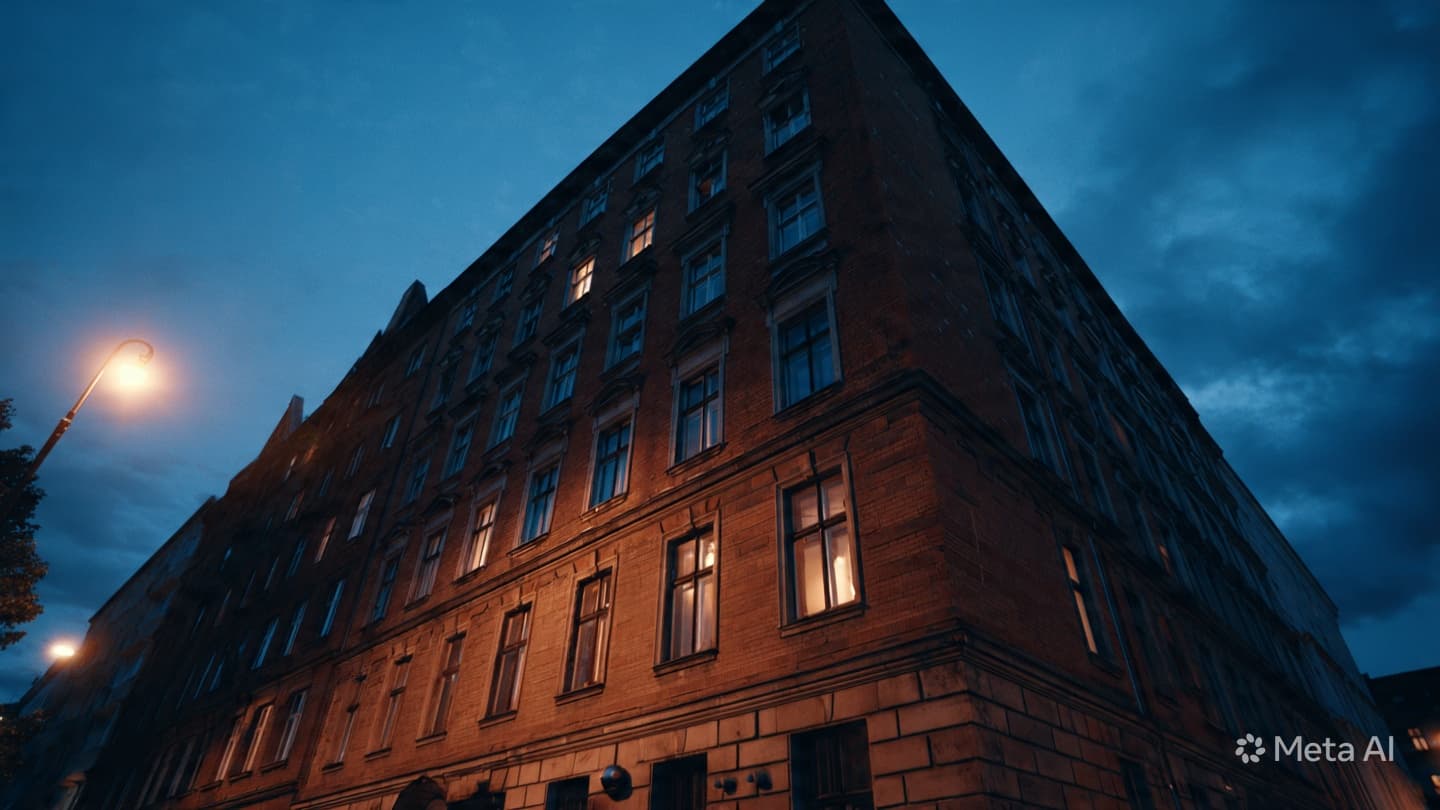
The city exhales as the sun dips beneath the horizon, casting long, melancholic shadows across the historic fabric of London. Here, the architecture is more than mere shelter; it is a tapestry of lives woven into the dense, vertical geography of the metropolis. When the rhythm of a quiet evening is suddenly fractured by the intrusion of flame, the contrast between the warmth of a home and the cold indifference of disaster becomes agonizingly clear.
Smoke curls into the twilight, a gray messenger that alters the skyline and draws the collective gaze of a neighborhood to a singular, tragic point. The sight of a structure—meant to be a sanctuary—overtaken by such raw, unbridled energy serves as a visceral reminder of how swiftly the familiar can dissolve. There is a heavy, almost sacred atmosphere that settles over the streets when such a rupture occurs, turning the busy pulse of the city into a hushed observation.
Fire is an ancient force, one that recognizes no boundaries and respects no tenure of residence. Within the confined spaces of an apartment block, where stairwells and corridors form the arteries of daily life, the rapid progression of heat and light creates a reality that shifts in mere heartbeats. Observers standing at a distance are left to contemplate the sudden transition from domestic normalcy to the profound stillness that follows the sirens.
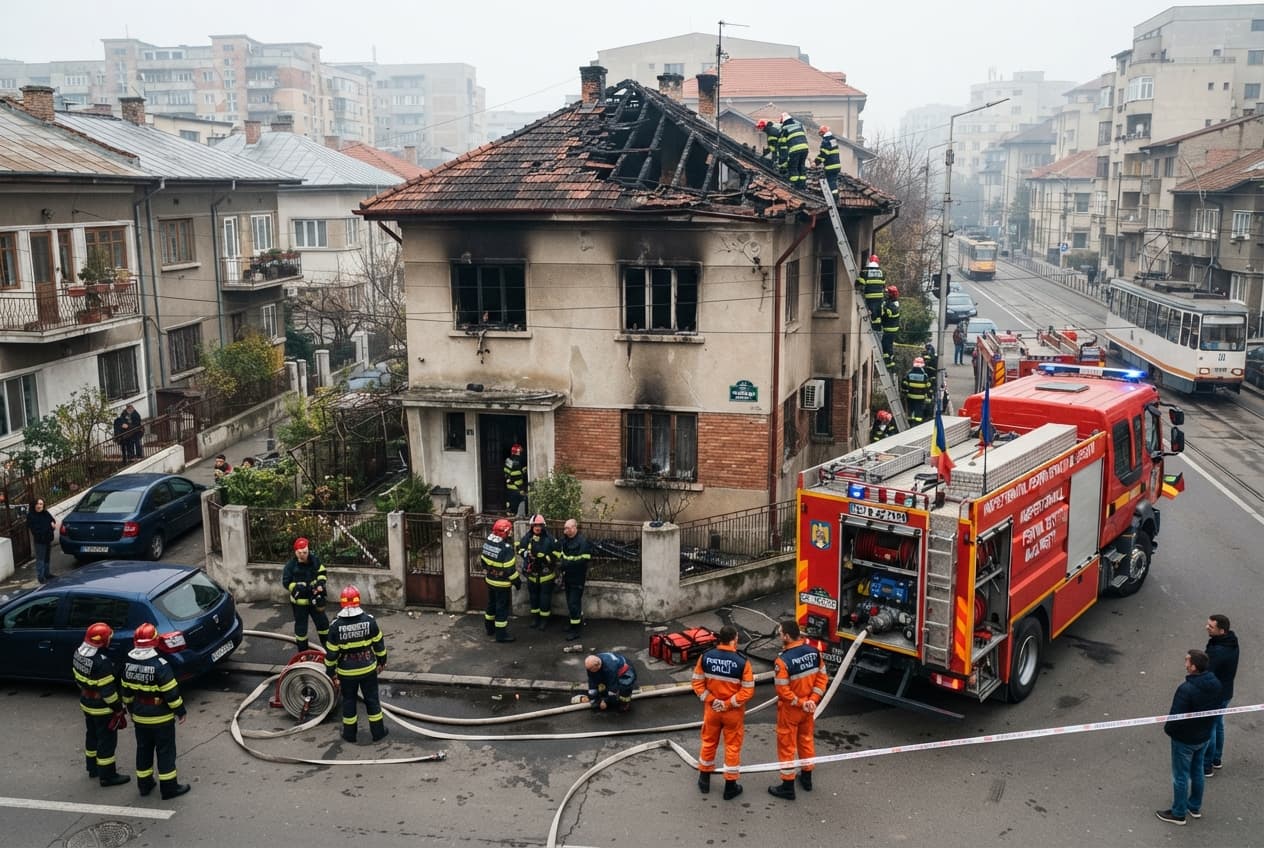
The emergency response, characterized by the mechanical precision of steel and water, moved through the darkness to meet the encroaching inferno. Every movement made by those on the ground was measured against the rising plumes, a testament to the difficult labor of rescue amidst chaos. The air, heavy with the scent of soot, seemed to hold the breath of the city as the crews engaged in their delicate, high-stakes choreography.
Buildings in this city have weathered centuries of change, standing as silent witnesses to the ebb and flow of human experience. Yet, when tragedy strikes from within, the walls themselves seem to hold a sorrow that lingers long after the embers have dimmed. It is a shared vulnerability, a recognition that regardless of the height or the age of the structure, the sanctity of those who inhabit it is a delicate, often fragile, gift.
In the aftermath, as the site remains cordoned off from the rush of the city, a profound sense of introspection takes hold. Pedestrians pause, casting glances toward the blackened windows, imagining the lives that occupied those rooms only hours before. The personal belongings, the echoes of conversations, and the simple routines of evening are replaced by a stark, sobering void that challenges the mind to reconcile the past with the present.
The transition from the immediate shock to the slow process of understanding requires a patience that the city rarely affords. There is a quiet, collective mourning that transcends the boundaries of the neighborhood, a ripple effect that touches all who call this place home. The narrative of the city is built upon these moments of trial, testing the resilience of its people and the strength of the bonds that connect them.
Emergency services confirmed that the fire occurred at a residential apartment building in London. The incident resulted in the deaths of two individuals. Authorities have initiated an investigation to determine the cause of the blaze, while local officials are providing support to affected residents. No further details have been released at this time regarding the victims or the specific origin of the fire.
Published by Banx Network. This article is part of the Banx decentralized media programme, powered by the BXE token on the XRP Ledger.