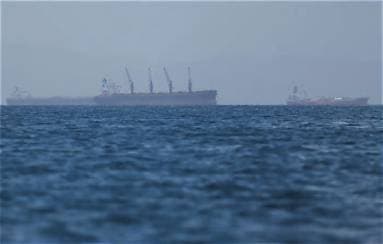
There is a moment when the vast expanse of the ocean seems to fold into the distant horizon — a gentle, muted light over restless water where ships glide with an ordinary calm that conceals what traffics beneath. In these wide, rolling seas, commerce once seemed a given of human life, a pathway as familiar as the pull of tides. Yet today, that motion bears the weight not just of cargo but of contest: of sanctions and countermeasures, of oil tankers that have become more than mere carriers of fuel, and of a nation whose lifeblood once flowed in crude and refinery yields now watching those channels narrow.
For more than four years since Moscow’s full‑scale invasion of Ukraine, Western powers and their allies have sought to reduce Russia’s ability to fund its war, recognizing that petrodollars — the revenues earned from selling oil — have been a crucial engine of the Kremlin’s budget. To that end, Europe and others have tightened the noose around Russian oil exports, moving beyond price caps and phased bans into proposals that would restrict the very maritime services upon which seaborne oil shipments depend. The idea drifting through policy halls in Brussels and capitals across the West is simple, yet profound in its implication: if Russia cannot easily ship its oil to distant refineries and markets, it will struggle to convert oil into the funds that sustain its war effort and broader economy.
This tightening net has taken many forms. European nations have contemplated measures that go further than existing sanctions by restricting the provision of insurance, shipping, and other maritime support services needed to carry Russian oil — a move that could affect nearly half of Moscow’s exports that currently pass through Baltic and Black Sea routes to distant buyers. At the same time, national navies and coast guards have intercepted tankers suspected of violating sanctions or flying dubious flags meant to obscure origin, underscoring how enforcement can ripple through waters once taken for granted as safe conduits of trade.
The result has been to elevate the profile of what analysts and diplomats refer to as Russia’s “shadow fleet” — an assemblage of aging tankers, often registered under flags of convenience and insured outside Western systems, that has grown as Moscow sought ways to bypass restrictions and keep the flow of oil, and its revenues, largely uninterrupted. This shadow fleet has become both symbol and substance of the tug‑of‑war over energy flows: a collection of vessels that carry not only barrels of crude, but also the implicit tension between Western efforts to strangle revenue and Russian attempts to find routes around them.
Inside Russia itself, cautionary tones have crept into economic discussions. Business executives and finance officials, speaking privately or through intermediaries, warn that shrinking oil revenues and mounting costs of circumventing sanctions pose serious risks to the national budget. For a state that still channels a large share of its export earnings into defense spending and state programs, the narrowing of crude export options carries economic and political implications alike. Some observers suggest that without these oil revenues, the Kremlin may face choices between sustaining its war funding commitments and managing domestic economic pressures that are felt — quietly, but increasingly — in shops and workplaces across Russian cities.
Yet the ocean remains vast, and within it lies not only contention but motion — of tankers steering new courses, of policies shifting with the calendar of sanctions packages, and of global markets that adjust to the friction between restriction and demand. Russia continues to find buyers for its oil in nations willing to navigate the complexities of sanctions avoidance, while Western powers look for legal and diplomatic frameworks that can squeeze revenues without triggering broader market upheaval. In this quiet balance between currents and commerce, the stakes are measured not only in barrels per day but in the subtle shifts of economies and the distant hum of war budgets under pressure.
In straightforward news language: Western countries are intensifying efforts to curb Russia’s war funding by targeting its oil export infrastructure and shipping, including proposals to ban maritime services such as insurance and transport for Russian oil. This comes amid sanctions on hundreds of vessels linked to a “shadow fleet” used to evade restrictions and transport crude to buyers. Russian officials and business leaders have expressed concern that these measures could significantly reduce oil export revenues, a key source of funding for the Kremlin’s war budget.
AI Image Disclaimer Visuals are AI‑generated and serve as conceptual representations.
Sources (Media Names Only) The Washington Post The Guardian S&P Global Kyiv Independent EU Special Envoy statements
Published by Banx Network. This article is part of the Banx decentralized media programme, powered by the BXE token on the XRP Ledger.