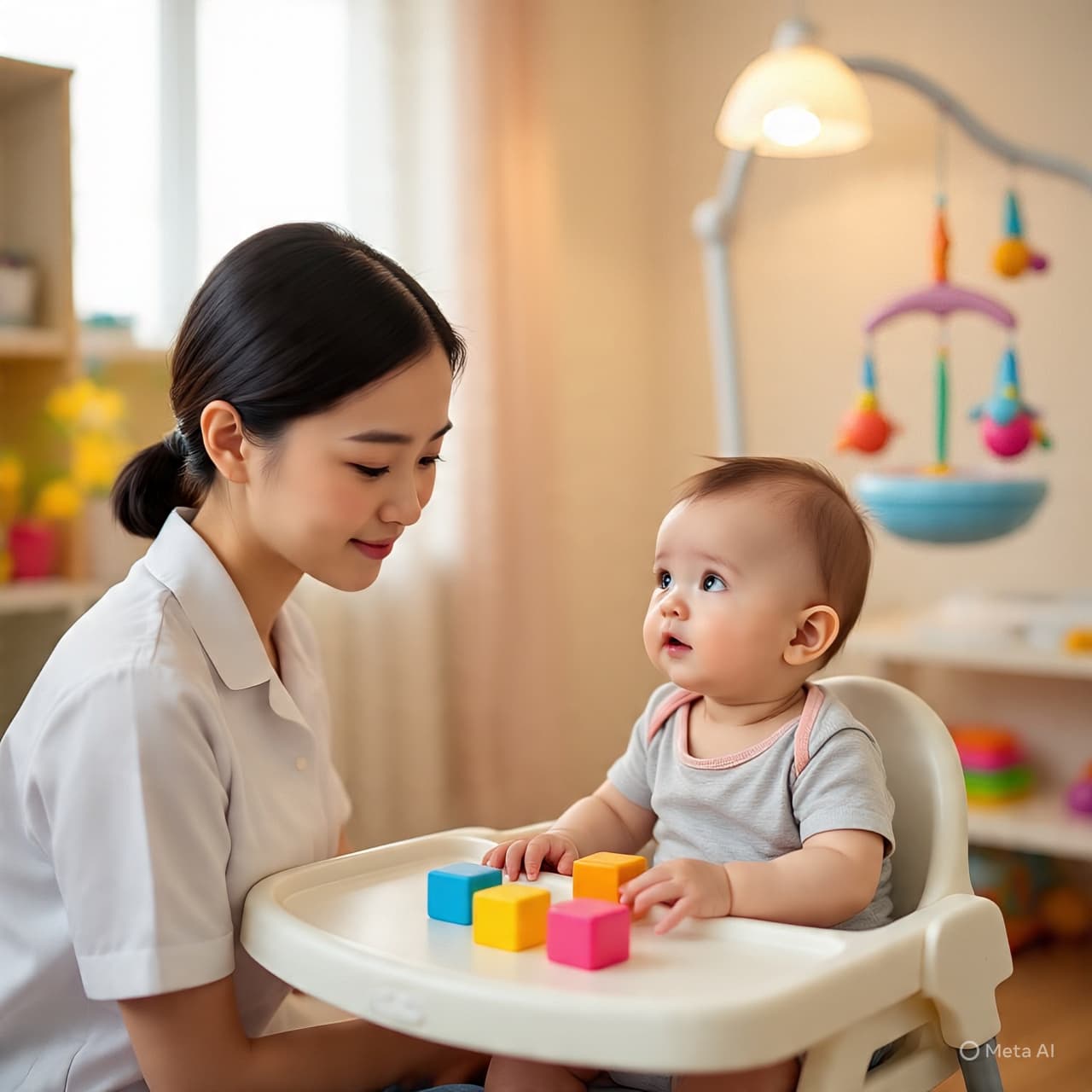
There is a moment, often unnoticed by most, when sound first becomes meaning. A voice calling from across a room, a soft laugh, the rhythm of footsteps approaching—these are the threads that quietly weave connection into everyday life. For some children, however, these threads arrive later, or in fragments, and the act of listening becomes something to be learned, piece by careful piece.
In that delicate space between silence and recognition, a 26-year-old has chosen to work.
Her days unfold not in grand gestures, but in repetition and patience. Sitting across from infants and young children with hearing loss, she guides them through the earliest stages of listening. The process is not immediate. It begins with the smallest of acknowledgments—a turn of the head, a flicker of attention toward a sound that might once have gone unnoticed.
Technology often plays its part. Hearing aids or cochlear implants introduce the possibility of sound, but possibility alone does not become understanding. That transformation takes time, and it takes someone to stand in that quiet interval, helping children make sense of what they begin to hear. The work is steady, almost rhythmic: sound, response, encouragement, and then, slowly, recognition.
Parents wait within this process, too. For many, the hope is simple and profound—the first word. Not just any word, but one that carries closeness and familiarity. “Mama” becomes more than a sound; it becomes a marker, a moment where listening turns into language, and language into connection.
The 26-year-old guiding these sessions understands that such moments cannot be hurried. Progress may appear in increments so small they risk being overlooked. A child who once did not respond begins to pause, to listen, to attempt a sound in return. Each step is quiet, but together they form a path forward.
There is also a gentleness in this work that resists urgency. In a world often defined by speed and outcomes, teaching a child to listen asks for something slower, something more attentive. It asks for presence—not only from the one guiding, but from the families who walk alongside the process.
And when the moment finally arrives—when a child shapes their first word—it does not come as a sudden burst, but as the culmination of many unseen efforts. The word may be soft, tentative, almost fragile. Yet it carries a weight far beyond its sound, marking the crossing from silence into shared understanding.
A 26-year-old professional is helping babies and children with hearing loss learn to listen through structured therapy and support. Her work focuses on early intervention, guiding children toward recognizing sound and developing speech, often culminating in their first words.
AI Image Disclaimer Illustrations were created using AI tools and are not real photographs.
Sources The Straits Times Channel NewsAsia TODAY BBC News The Guardian
Published by Banx Network. This article is part of the Banx decentralized media programme, powered by the BXE token on the XRP Ledger.