
Key Highlights
- Incident:An artillery strike recently hit a southern border village, resulting in civilian casualties.
- Impact:The strike disrupted daily life, leaving the community in mourning.
- Context:This event underscores the ongoing conflict in the region and its human cost.
In the southern reaches of the border, where the landscape is imbued with history and tension, a recent artillery strike has shattered the tranquility of a small village. This incident, which resulted in the tragic loss of civilian life, serves as a stark reminder of the volatility that characterizes this region. The air, once filled with the sounds of daily life, now carries the weight of grief and uncertainty.
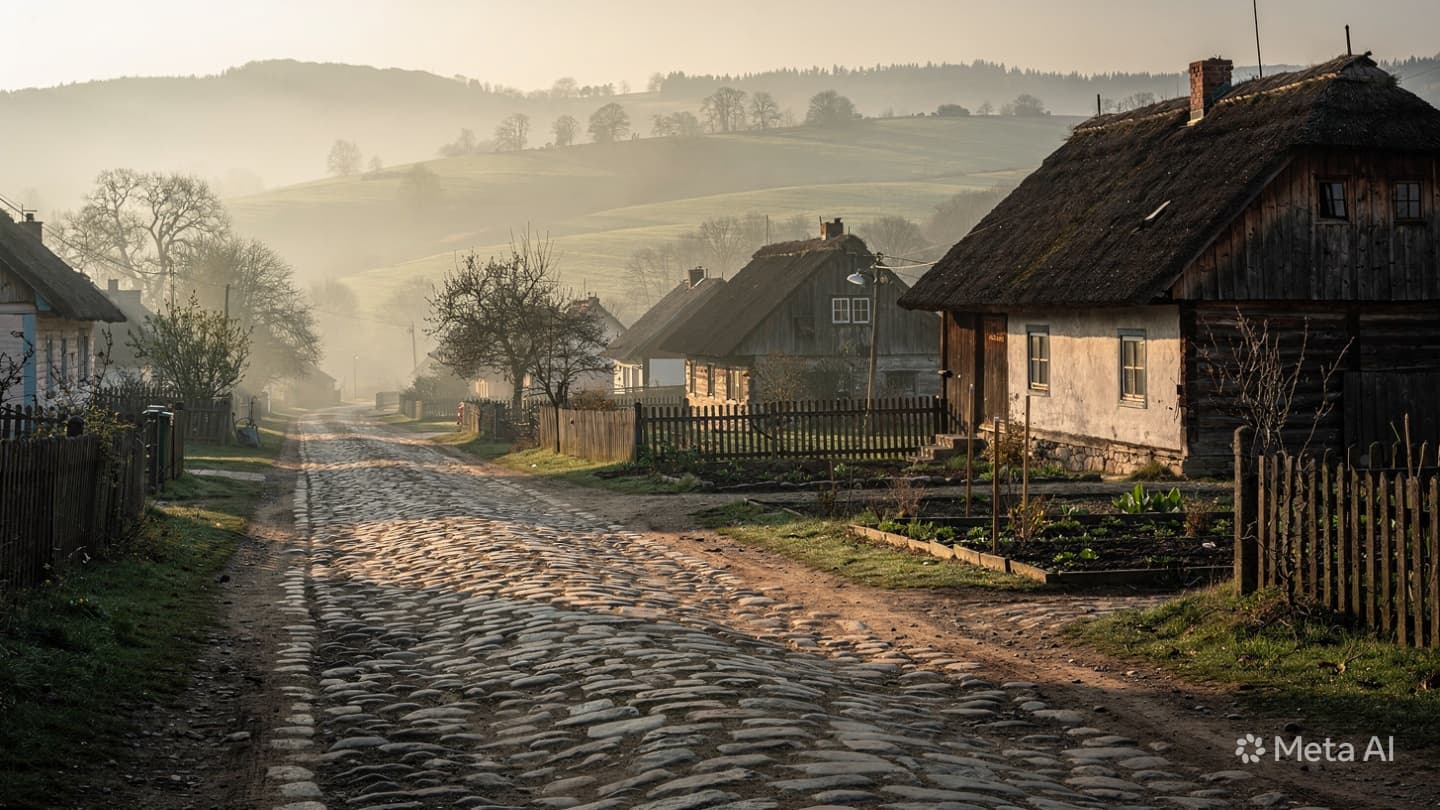
The village, known for its orchards and quiet routines, found itself abruptly thrust into a narrative defined by violence and loss. The artillery strike, a sudden and jarring event, not only claimed a life but also disrupted the fabric of community safety. Residents, who once moved through their daily tasks with a sense of normalcy, now grapple with the aftermath of an external force that has irrevocably altered their reality.
In the wake of the strike, the physical remnants of destruction—scarred earth and shattered homes—serve as silent witnesses to the fragility of existence in such perilous areas. The loss felt by the community is profound, as the tragedy extends beyond the immediate impact to encompass the emotional and psychological scars left behind. Families mourn not just for the lost individual but for the sense of security that has been violently stripped away.
Investigations into the incident are often clouded by the complexities of war, where competing narratives emerge from local and international perspectives. Local reports provide raw accounts of the tragedy, while broader analyses attempt to contextualize the event within the larger geopolitical landscape. This dissonance creates a challenging environment for understanding the truth of what transpired, as the realities on the ground often clash with external interpretations.
As the village begins to process its grief, it becomes a site of collective mourning and resilience. The cycle of tragedy and endurance is a familiar rhythm for those living on the edge of conflict. Life attempts to reconstitute itself amidst the ruins, yet the ever-present danger of violence looms large, casting a long shadow over the community's efforts to heal.
The news of the artillery strike eventually reaches a wider audience, often reduced to mere statistics in global reports. This transformation strips away the visceral, local texture of the event, reducing a profound human experience to a bullet point in a news cycle. For those who remain in the village, the reality is not just a geopolitical development but a deeply personal loss that defies simplification.
Ultimately, the southern border remains a paradox, where the beauty of the landscape is marred by the recurring violence of its politics. The village will endure, the hills will continue to watch over the fields, but the memory of the fallen will linger, a haunting reminder of the human cost of conflict. This incident serves as a somber reflection on the delicate balance between peace and tragedy in a region where the line is perpetually blurred.
Published by Banx Network. This article is part of the Banx decentralized media programme, powered by the BXE token on the XRP Ledger.



