
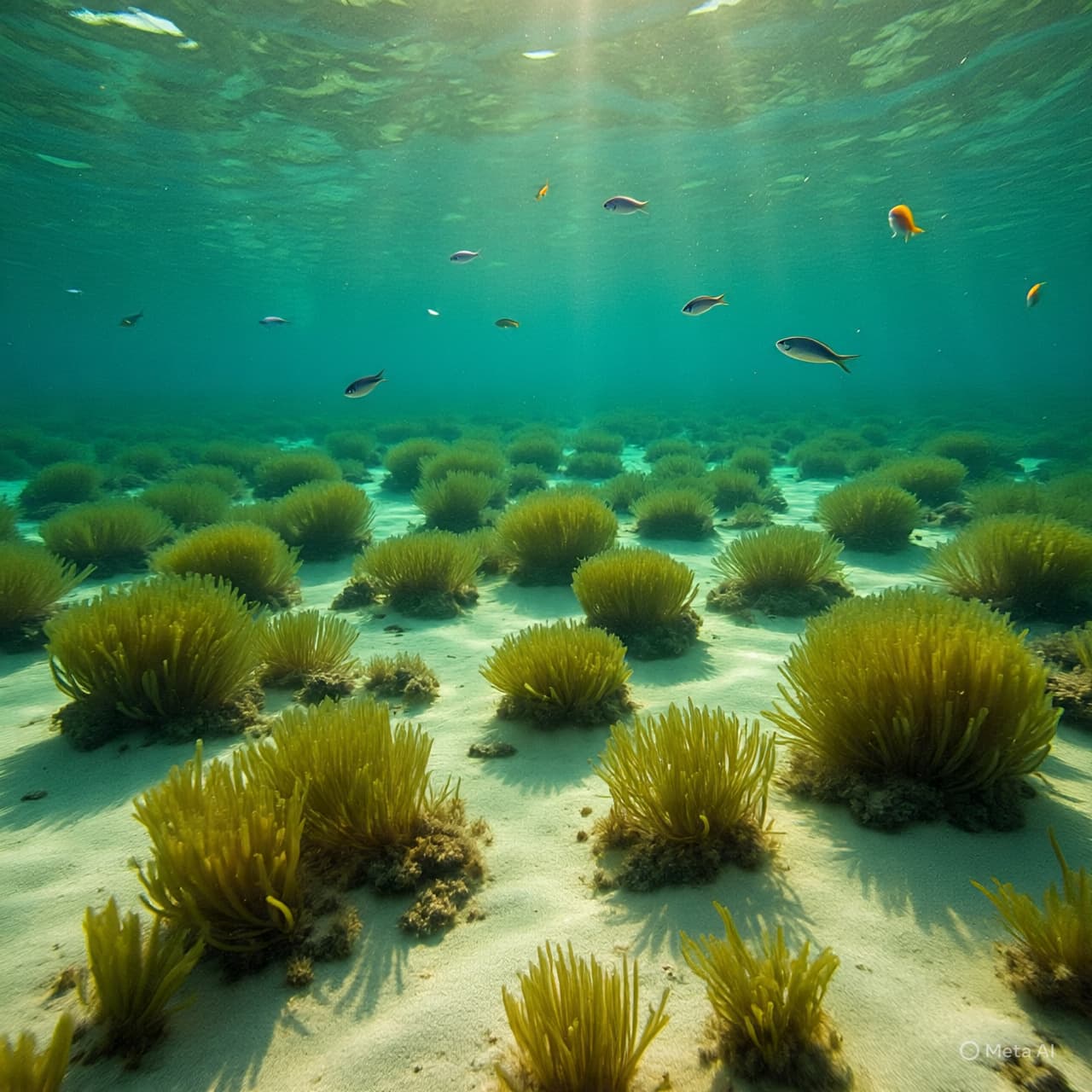
In the muted gray between winter and spring, the Baltic Sea stretches its broad, brackish expanse beneath a horizon that seems to hold its breath. The water, usually a reflective ribbon between lands, now lies at an unusual shallowness, its surface lower than it has been in generations. Winds that have wandered across plains and forests press gently yet persistently against the water’s skin, nudging great volumes toward distant seas. In this quiet, unusual retreat of water, scientists see more than a momentary weather quirk; they see the echo of a changing world, a story written not in sudden storms but in the slow, persistent shifts of climate and current.
Familiar reefs and coastal shelves that once teemed with a subtle, brackish life now sit nearer the light, their contours etched with exposure. Oceanographers speak in measured tones of an anomaly not seen for nearly a century and a half, as water levels dipped far below the averages recorded since systematic observations began. This rare shallowing is attributed to atmospheric patterns — strong easterly winds and a locked high‑pressure zone that have effectively pushed the Baltic’s water through narrow straits toward the North Sea. Though this phenomenon is born of complex physics, its presence on the sea’s face brings a fragile quiet to reefs and shoals that are usually submerged deeper in these northern waters.
Beneath that surface, the Baltic Sea has long lived in a delicate balance. Its waters, brackish by nature and encircled by land, mix salt and fresh in a way that nurtures few truly marine species and yet supports lives both small and subtle. In an environment so poised, even gentle changes in temperature, salinity, or oxygen can ripple outward into the rhythms of fish and plankton alike. Scientists note that oxygen‑poor zones — places where water fails to breathe deeply — have widened in recent decades, nourishing algal blooms that thrive in warmer, nutrient‑laden waters and, in turn, rob other organisms of life‑giving oxygen.
In the shallow waters that border coasts from Sweden to Poland, the dance of light and shadow plays over reeds and silt, offering witness to shifts both natural and driven by human influence. Rivers carry nutrients from fields and towns, feeding blooms that rise like green and blue brushstrokes upon the sea’s surface and later sink into deeper darkness. Beneath them, in the depths cooler still, species that once navigated stable waters find themselves in uncertain currents, their places in the web of life changing as subtly as the tides themselves.
Yet even in this delicate tension, there are notes of care and careful action. Across the Baltic’s rim, communities and scientists have sought cooperation under shared conventions and projects aimed at easing pressures of pollution and nutrient influx. Efforts to restore wetlands, monitor water quality, and address sources of runoff weave a quieter narrative of stewardship amidst the broader strains. These endeavors do not erase the sea’s shifting state, but they reflect hands reaching across borders, mindful of the shared basin that links diverse shores.
In the everyday quiet of harbors and inlets, fishermen and residents watch the tide and the sky, sensing changes in subtle ways — a late return of a species once expected, the glimmer of seaweed beds that have long sought to reclaim their ground. The Baltic’s story is neither a sudden collapse nor a simple recovery, but an unfolding of many threads: wind and temperature, basin and breeze, human influence and natural variability. To see the sea now, lower and more exposed than it has been in generations, is to witness a moment of motion — a slow but distinct shift that invites reflection on the waters beneath a northern sky.
AI Image Disclaimer Illustrations were created using AI tools and serve as conceptual representations.
Sources (Media Names Only) Euronews ERR News Copernicus Ocean State Report Baltic Sea Action Plan Fund
نُشر بواسطة Banx Network. هذا المقال جزء من برنامج الوسائط اللامركزية من Banx، مدعومًا برمز BXE على شبكة XRP Ledger.


