Late winter in the West Bank carries an air of waiting — the kind that hovers between seasons, between rain and dust, between hope and fatigue. Across the valleys and stone terraces, olive trees stand still against the wind, their roots deep in a land where ownership has always meant more than title or law. It was against this quiet backdrop that Israel’s cabinet approved a new step — one described by its critics as a “de facto beginning” of annexation.
For the first time since 1967, Israel authorized a process to register land across wide areas of the occupied West Bank as state property. Officials presented it as an administrative reform, a measure to clarify land records and streamline governance. The language was careful, the tone procedural. Yet the implications reached far beyond paperwork. To many, it felt less like clerical tidying and more like a slow inscription of permanence on contested soil — a bureaucratic rhythm carrying the weight of history.
The reaction was immediate and wide. Palestinian officials denounced the move as a grave escalation, calling it an attempt to formalize control over land envisioned as part of a future Palestinian state. Jordan’s foreign ministry labeled it a violation of international law and urged the global community to respond. Egypt, Qatar, and other Arab states issued statements of condemnation, warning that such decisions further erode any remaining path toward a negotiated peace.
In Europe, diplomats echoed those concerns, urging Israel to reverse its course. They spoke of legal frameworks, of resolutions and accords, of the fragile scaffolding of agreements long under strain. Yet beneath their statements lay a shared understanding — that on the ground, each new registry and document shifts not only borders but the psychology of belonging. In this conflict, change often arrives not with explosions but with stamps and signatures.
For families in the hills and towns of the West Bank, the news filtered through the ordinary rhythms of daily life: farmers tending to terraces, children walking to school, the smell of bread rising from morning ovens. Here, politics is not abstract — it touches walls, wells, and orchards. Land is both memory and livelihood, and every declaration from distant offices feels like a tremor beneath familiar ground.
The move has drawn sharp words but little expectation of reversal. For decades, the pattern has been cyclical — announcements, condemnation, a brief surge of headlines, then quiet continuation. What distinguishes this moment is its precision: not a dramatic seizure, but a slow, methodical rewriting of ownership itself. The term “registration” sounds benign, yet in a region defined by its layers of claim, it may mark one of the most enduring shifts of all.
As dusk falls over the hills, the olive branches darken against the horizon, and lights flicker on in distant settlements. The evening carries its own equilibrium — still, patient, unresolved. The boundaries remain where they are for now, but the meaning of those boundaries continues to move, quietly and steadily, like wind over stone.
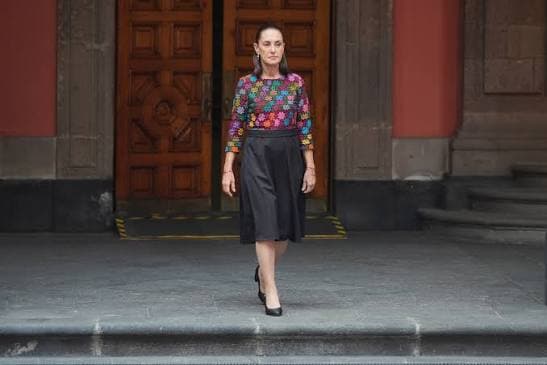
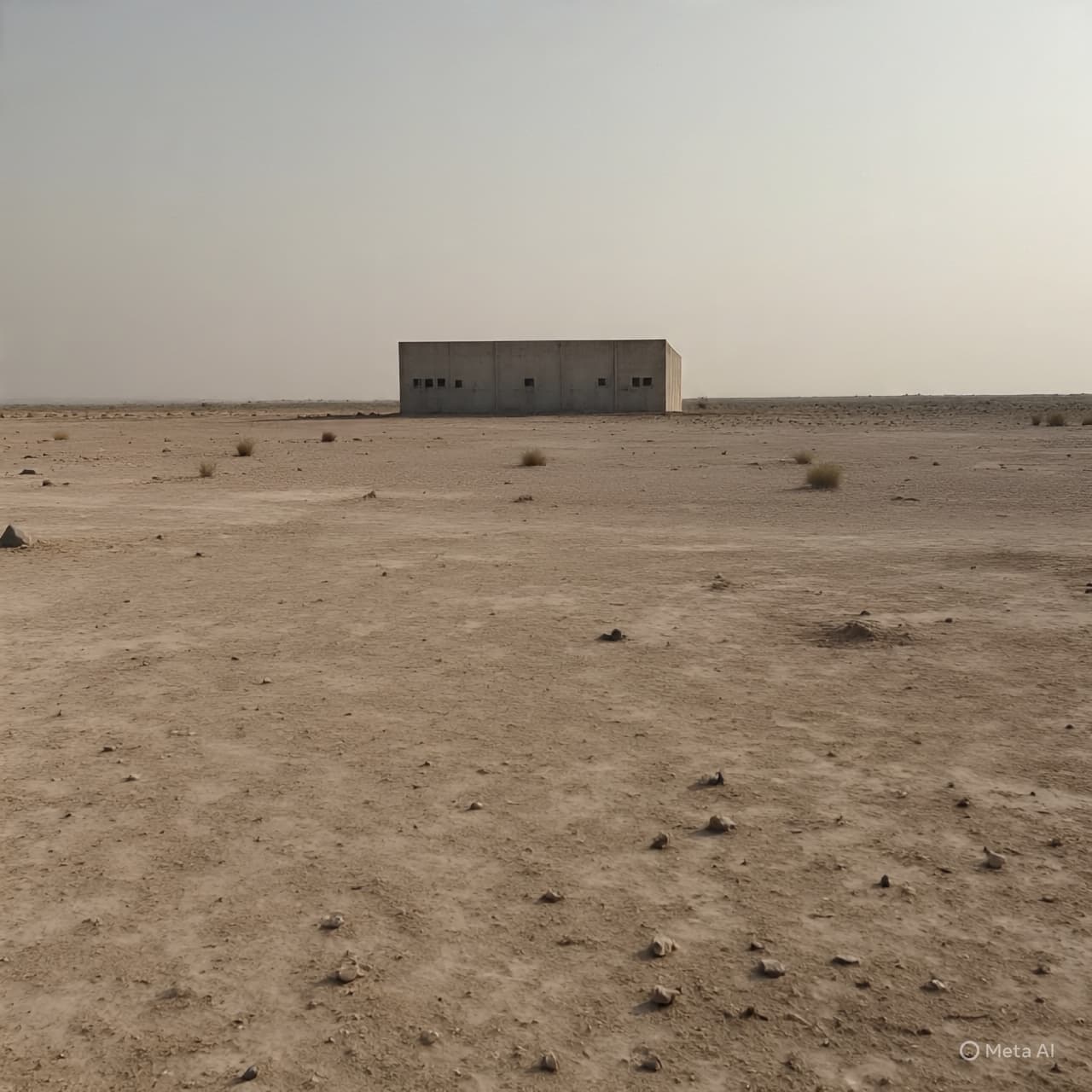
AI Image Disclaimer
Visuals were created using AI tools and serve as conceptual representations.
Sources (Media Names Only)
Reuters Associated Press Arab News BBC NPR
Published by Banx Network. This article is part of the Banx decentralized media programme, powered by the BXE token on the XRP Ledger.