
Key Highlights
- Incident:An Iranian strike on a military base in Saudi Arabia injured multiple U.S. service members.
- Response:Injuries reported are not life-threatening, but the situation remains fluid.
- Context:The strike reflects escalating tensions in the Middle East and the strategic role of U.S. forces in the region.
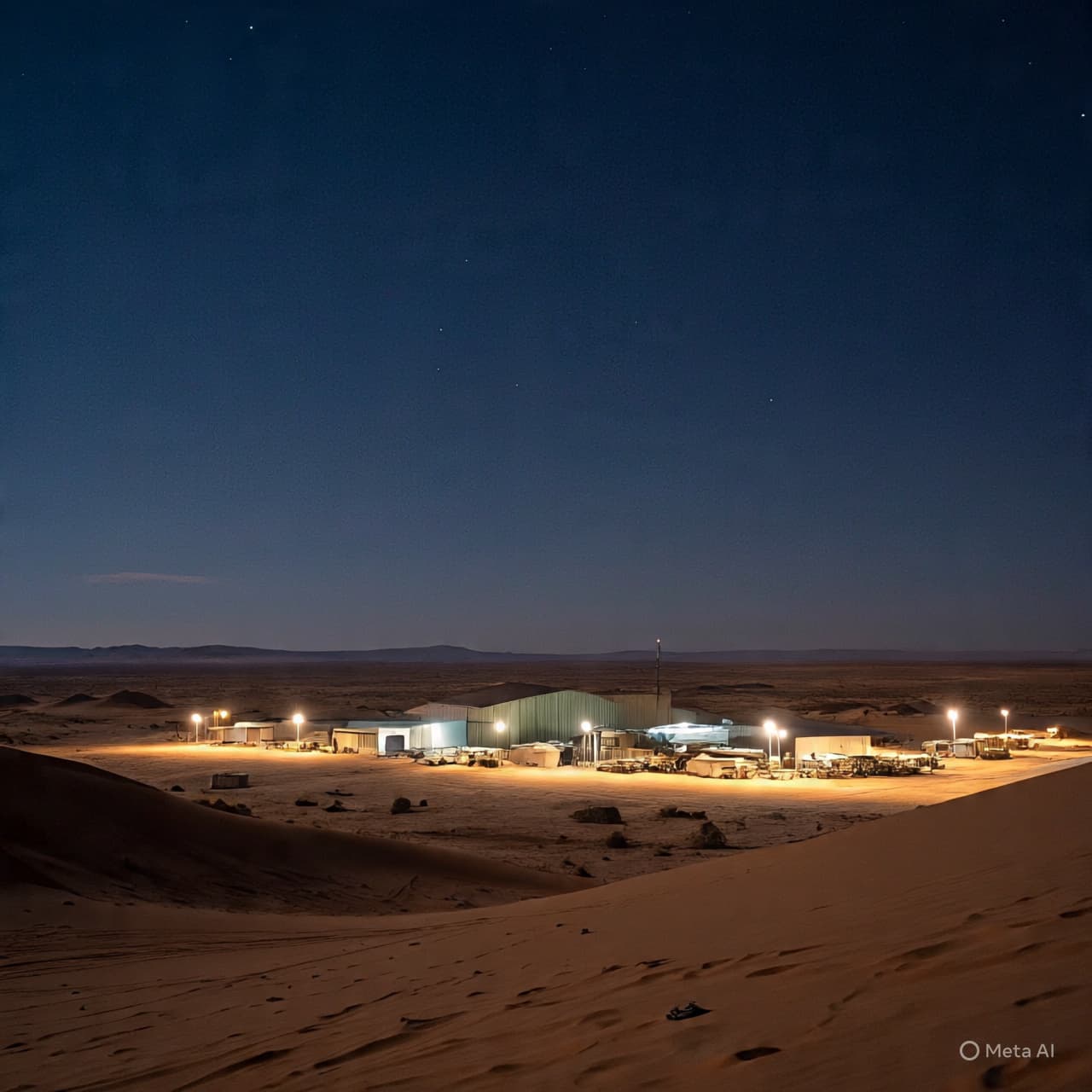
On a quiet night in the desert, the stillness can be deceptive. The air cools, the horizon softens, and distant lights punctuate the vast expanse of sand and structure. In such serene settings, sound travels differently, often arriving without warning and leaving behind an altered silence. This was the backdrop when an Iranian strike interrupted the calm at a military installation in Saudi Arabia, resulting in injuries to several U.S. service members.
The injuries sustained during the strike, while not immediately described as life-threatening, underscore the precarious nature of military operations in a region marked by ongoing conflict. The base, one of several where American forces collaborate with regional partners, became a focal point in a broader confrontation that has been escalating across borders. The incident highlights the vulnerability of military installations, which, despite their structured routines, can quickly become targets in a volatile environment.
In Washington and allied capitals, the implications of such strikes are assessed with great care. Analysts evaluate whether these incidents are isolated or indicative of a larger pattern of aggression. The distinction is crucial, as it informs military and diplomatic responses. The presence of U.S. forces in Saudi Arabia has historically been tied to regional stability and deterrence, but as tensions rise, their role is increasingly scrutinized.
For those stationed at the base, the experience is immediate and visceral. The sound of the strike, the rush of response, and the training that prepares them for such moments all contribute to a heightened sense of reality. While protocols aim to create predictability, the intensity of such events cannot be fully mitigated. Each incident carries weight, not just in strategic terms but in human consequences, affecting individuals who are directly involved.
Military analysts note that incidents like this can have dual significance. On one hand, they may be contained and addressed through established military protocols. On the other, they contribute to a shifting atmosphere of tension, where each event adds to a cumulative sense of urgency that can be difficult to reverse. The broader conflict in the Middle East continues to evolve, drawing in various actors and extending across multiple domains—air, sea, and land.
As the situation develops, the injuries sustained by U.S. troops serve as a stark reminder of the human cost of conflict. Each moment in this ongoing narrative holds significance, not only for military strategy but for the lives of those involved. The facts are clear: an Iranian strike has injured U.S. service members, and responses are being formulated as the situation remains fluid.
When the desert returns to its quiet state, it is never quite the same. The awareness that silence can be shattered again lingers in the air, altering the rhythm of the night even as it appears unchanged. The complexities of the conflict continue to unfold, with each event contributing to a larger story that is far from over.
Published by Banx Network. This article is part of the Banx decentralized media programme, powered by the BXE token on the XRP Ledger.



