The evening light over the oceans carries a peculiar stillness, as though the planet itself were pausing between breaths. If one imagines a world without the murmur of engines, without cities glowing against the night, the question arrives softly: what life would rise most prominently in our absence? The Earth has endured extinctions before. It does not hurry. It does not grieve. It rearranges.
Scientists who consider this scenario speak cautiously. The idea of a single “dominant” species reflects a human framing of power — one tied to industry, expansion, and technological command. Nature rarely crowns successors so neatly. Instead, it reshapes balance over centuries and millennia, allowing adaptability, intelligence, and ecological fit to determine which species flourish.
Among the creatures frequently mentioned in scientific discussions is the octopus. Marine biologists have long documented its remarkable cognitive abilities — problem-solving skills, memory, tool use, and even individual behavioral variation. With decentralized neural systems and extraordinary adaptability to diverse marine environments, octopuses represent a lineage already demonstrating complex intelligence without reliance on social hierarchies or large populations. In a world where human pressures on oceans diminish, their evolutionary trajectory could continue in unpredictable and potentially profound directions.
Yet the future would not belong to one mind alone. Ants, whose colonies already influence ecosystems on nearly every continent, would persist with quiet efficiency. Their biomass rivals that of humanity itself, and their cooperative systems allow them to adapt rapidly to changing conditions. In abandoned urban centers, rats and corvids — crows and ravens known for sophisticated problem-solving — would likely expand into new ecological niches, capitalizing on infrastructure and food sources left behind.
Large mammals might reclaim landscapes once fragmented by roads and development. Forests would thicken. Rivers would shift course without dams and diversions. Coral reefs, given time and reduced warming pressures, might rebuild intricate underwater cities of their own design. Dominance, in this reshaped world, would not resemble human dominion. It would appear as resilience — species thriving not through conquest, but through harmony with shifting systems.
Some evolutionary biologists emphasize that if intelligence comparable to ours were ever to reemerge, it would require immense spans of time — millions of years of gradual adaptation. Whether that intelligence would arise in the oceans, among birds, or in some yet-unforeseen lineage remains unknown. The octopus stands as a compelling candidate in speculation, not because it is poised to build civilizations tomorrow, but because it demonstrates how differently intelligence can evolve.
For now, this remains informed conjecture grounded in ecological principles and evolutionary biology. Scientists broadly agree that no single species would simply “replace” humans. Instead, Earth would diversify again, redistributing influence across many adaptable organisms. Life would continue — altered, quieter perhaps, but enduring.
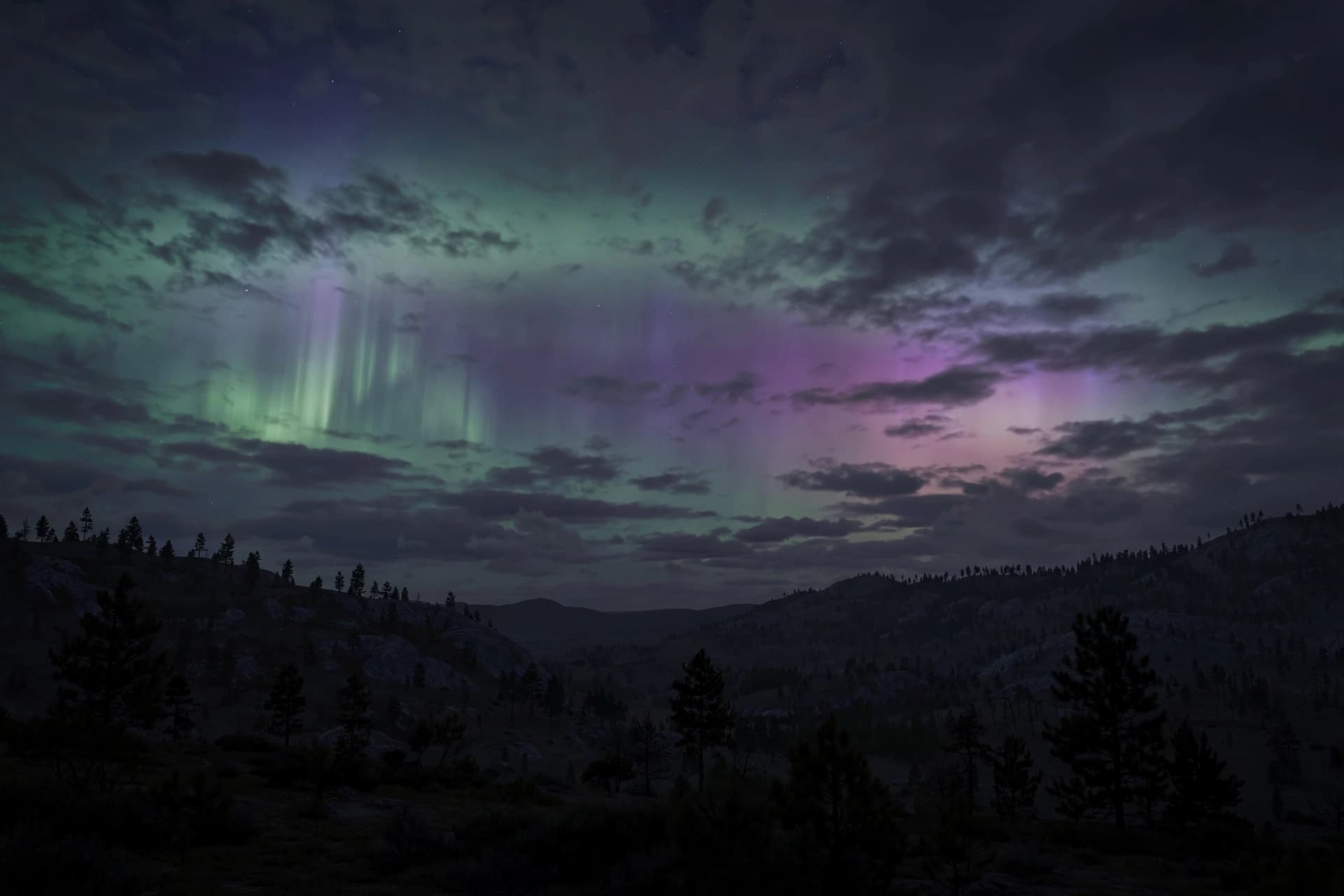
Visuals are AI-generated and serve as conceptual representations.
Sources (Media Names Only)
The Daily Galaxy NDTV Earth.com The Environmental Literacy Council The Nature Network
Published by Banx Network. This article is part of the Banx decentralized media programme, powered by the BXE token on the XRP Ledger.