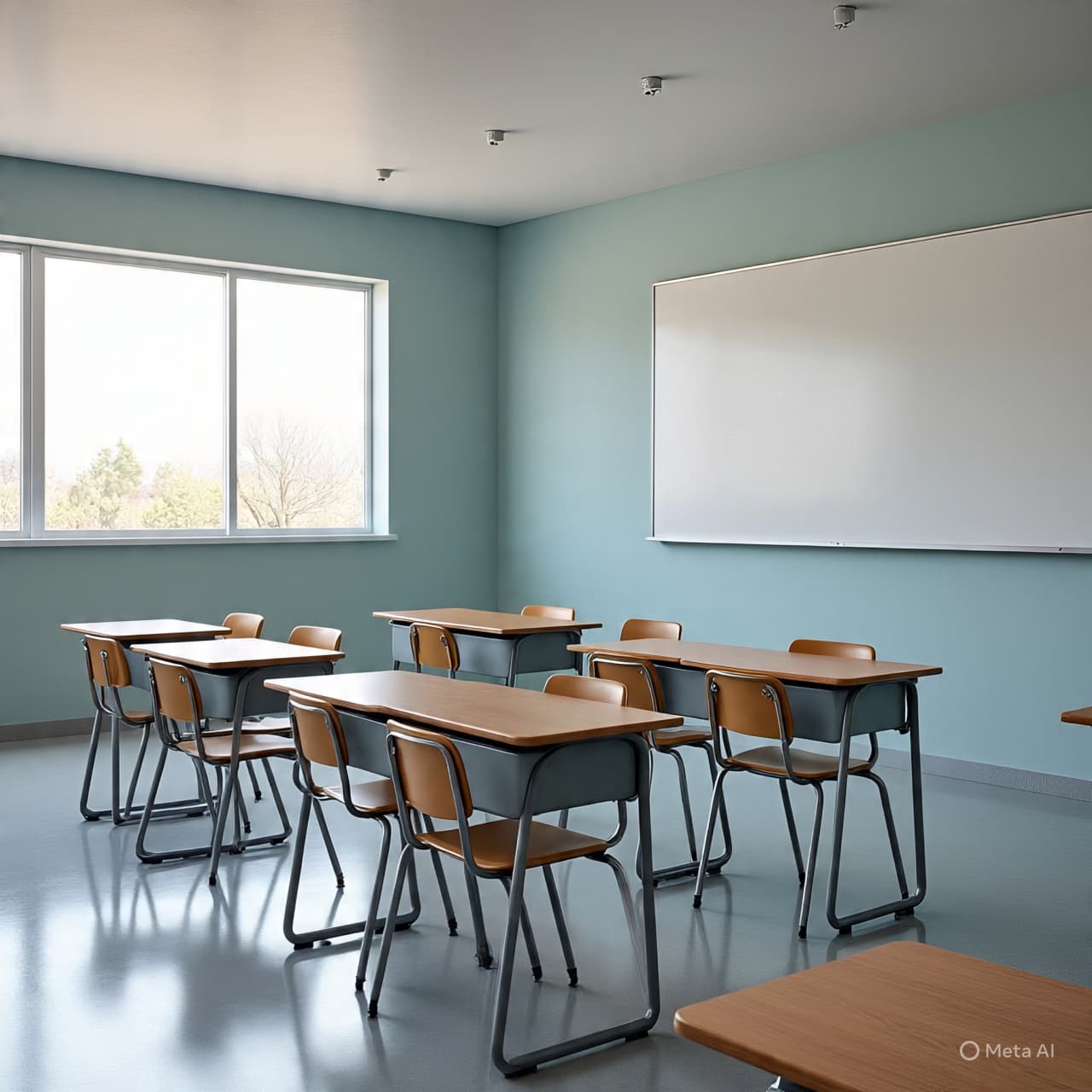
Morning in a schoolyard often begins with small rituals—the shuffle of shoes against pavement, the murmur of conversations not yet fully awake, the quiet anticipation of a day unfolding. Desks wait in stillness, chalkboards carry the faint memory of yesterday’s lessons, and the air holds that particular lightness that belongs only to places of learning.
It is against this fragile rhythm that the weight of loss feels most profound. News of an attack that claimed the lives of 168 schoolgirls has moved across borders with a gravity that words struggle to contain. The scale of it, the setting of it, and the youth of those affected have drawn responses not only of sorrow, but of deep reflection on what such moments reveal.
Speaking in the context of international deliberations, a representative of China described the attack as an atrocity that crosses a moral boundary, framing it as among the most severe violations of human rights. The statement, delivered in measured language, reflects a broader recognition that certain acts resonate beyond their immediate context, touching on principles that are widely shared, even when expressed differently.
The details of the incident—its location, its perpetrators, its precise circumstances—continue to be examined and reported. Yet beyond those specifics lies a more enduring question: how spaces meant for safety and growth become sites of violence, and what that transformation signifies in a world already marked by conflict and uncertainty.
Schools, in their quiet constancy, often stand apart from the turbulence around them. They represent continuity, a belief in future possibility, a place where time is structured not by crisis but by learning. When that space is disrupted, the effect extends beyond the immediate loss, altering the sense of what can be taken for granted.
International responses have followed a familiar pattern of condemnation and calls for accountability, yet each instance carries its own particular weight. The involvement of global voices, including diplomatic representatives, situates the event within a wider framework of human rights discourse—one that seeks to define not only what has happened, but how it should be understood.
There is also a quieter layer to these responses, one that unfolds within communities directly affected. Grief takes shape in ways that are both collective and deeply personal, carried in gestures, in memory, in the absence left behind. These dimensions rarely appear fully in official statements, yet they form the lived reality of such events.
In a world where information moves quickly, the risk is that even the most profound moments can become part of a continuous flow of news. And yet, certain events resist that movement. They linger, not because they are repeated, but because they mark a point where something fundamental feels altered.
The statement from China’s envoy reflects an attempt to articulate that sense of boundary—a line that, once crossed, demands recognition not only of the act itself, but of its broader implications. It places the event within a shared moral vocabulary, even as the pathways to response remain complex and varied.
The facts are stark: an attack has killed 168 schoolgirls, prompting international condemnation and being described as a grave violation of human rights. Investigations and responses continue, shaped by both local realities and global attention.
In the stillness that follows such news, the image of the schoolyard returns—unchanged in form, yet altered in meaning. It remains a place of learning, of gathering, of beginning. But it also becomes, in memory, a reminder of how fragile those spaces can be, and how deeply their loss is felt when they are broken.
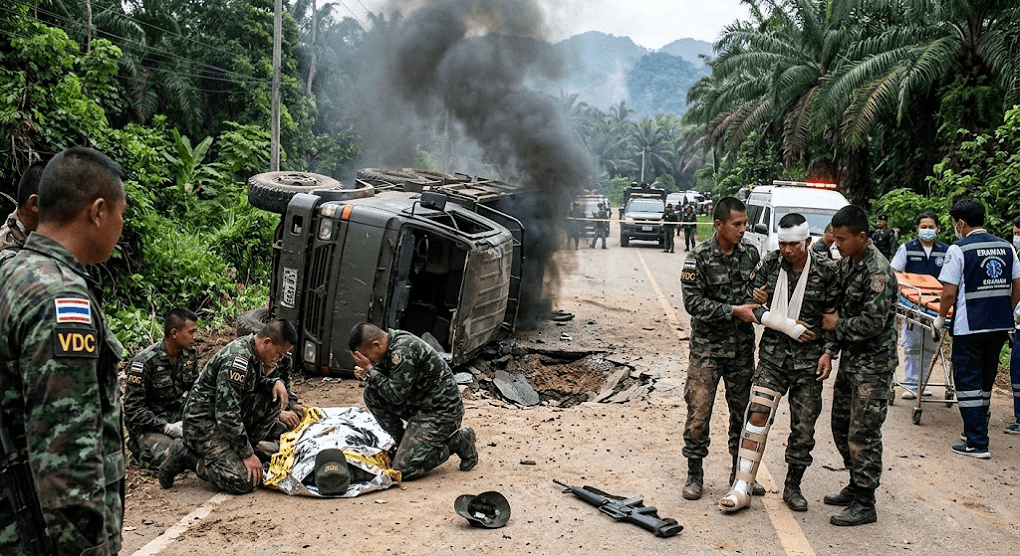
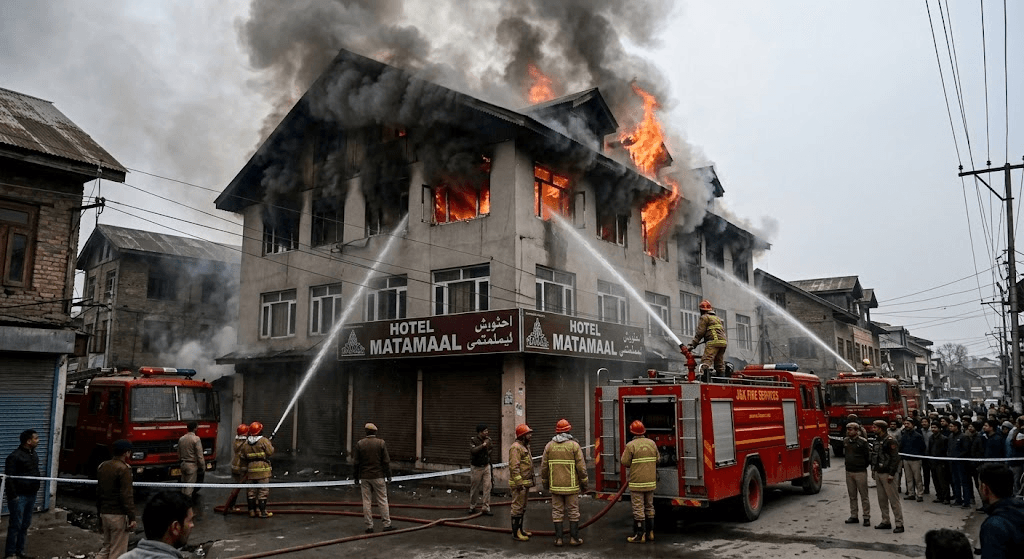
AI Image Disclaimer Visuals are AI-generated and serve as conceptual representations.
Sources Reuters Associated Press BBC News United Nations Al Jazeera
Published by Banx Network. This article is part of the Banx decentralized media programme, powered by the BXE token on the XRP Ledger.