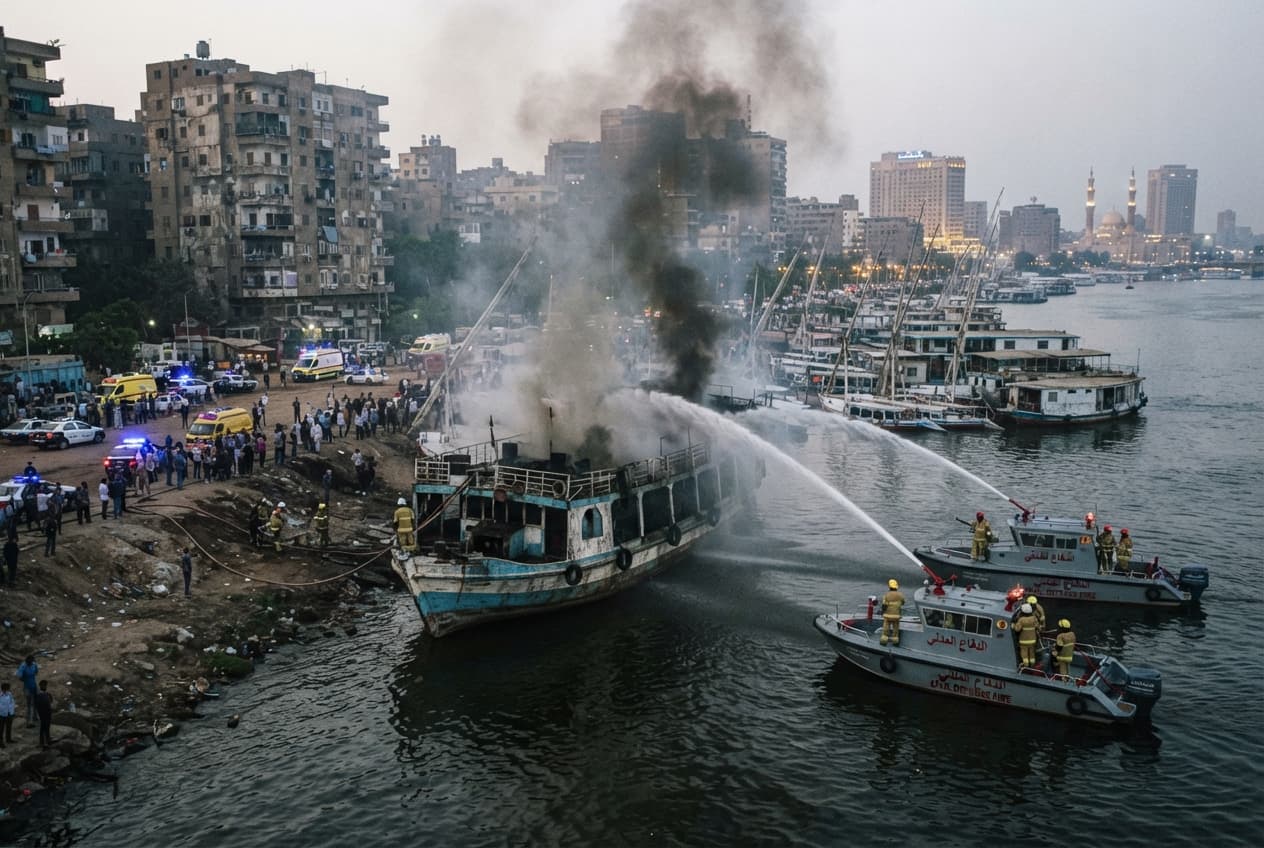
At the narrow edge of the sea, where currents press against invisible boundaries, the water carries more than ships. It carries time—measured not in hours, but in passage. Tankers move slowly through the Strait of Hormuz, their paths traced along one of the world’s most watched corridors, where geography and tension meet in quiet proximity.
Here, the distance between shores is small, but the weight of what passes through is immense. Oil, trade, and the steady rhythm of global supply depend on this narrow passage, making it less a place of transit than a hinge upon which wider systems turn.
In recent days, the language surrounding this corridor has shifted. Marco Rubio, speaking amid the expanding conflict involving Iran and its regional adversaries, suggested that the war could continue for weeks, its timeline stretching beyond initial expectations. Within that extension lies a deeper concern—that Iran could, in time, impose a lasting disruption on the Strait itself.
Such a possibility is not new, but it gains renewed attention whenever tensions rise. The idea of closing or restricting the Strait has long existed as a strategic lever, one that carries consequences far beyond the immediate region. Even the suggestion of such a move can ripple outward, affecting markets, alliances, and calculations made in distant capitals.
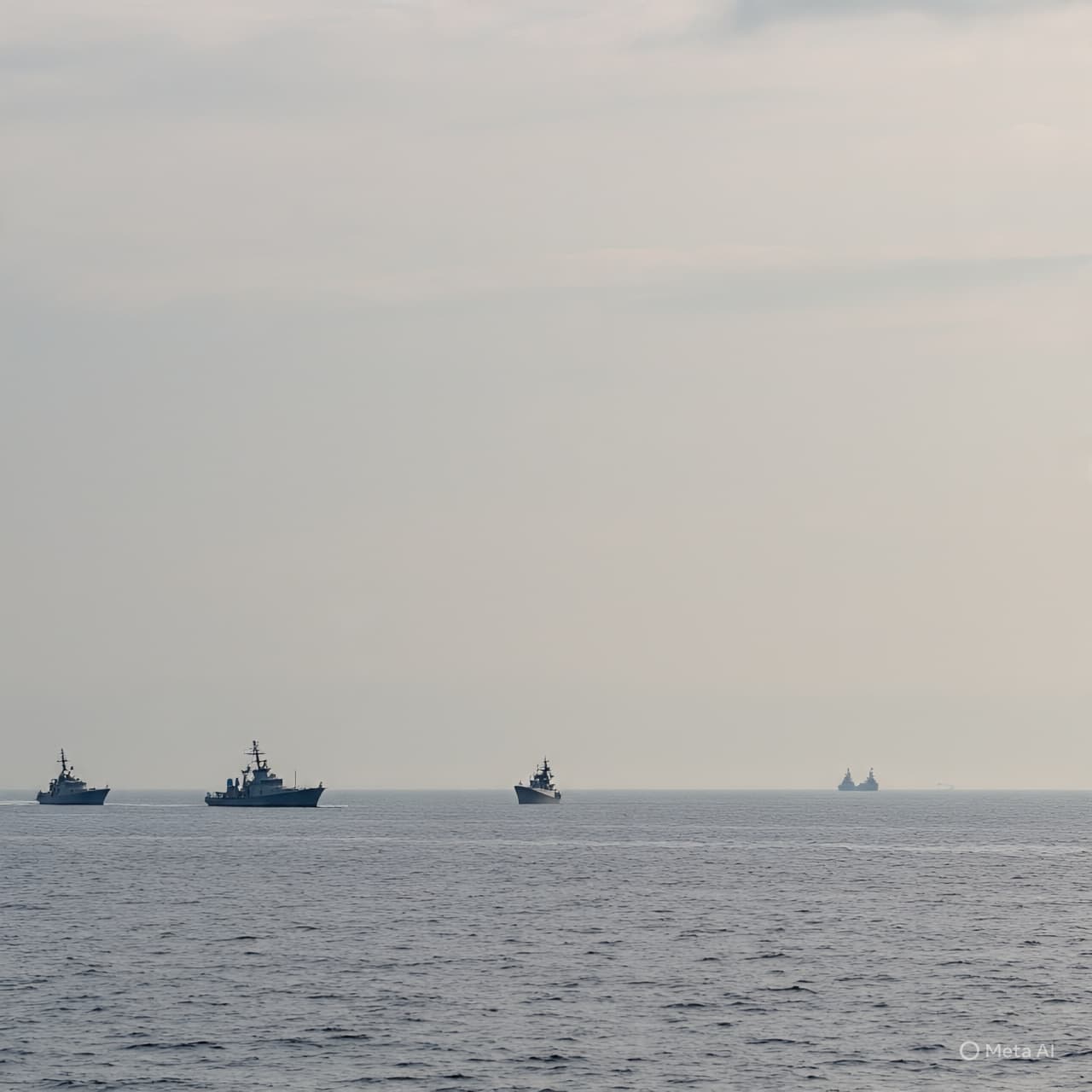
For now, the water remains open. Ships continue their passage, guided through designated corridors, monitored by naval presences that underscore both vigilance and restraint. The movement is steady, almost unremarkable to the casual observer, yet each vessel carries with it an awareness of the broader context in which it sails.
Rubio’s remarks reflect a growing recognition that the conflict may not resolve quickly. A war measured in weeks rather than days alters not only military planning, but also the expectations of those watching from afar. It invites a different kind of patience—one marked less by anticipation of swift outcomes and more by an understanding of prolonged uncertainty.
At the same time, analysts note that permanently closing the Strait would represent a significant escalation, one that would draw responses from multiple actors whose interests converge in this narrow channel. The interconnected nature of global trade ensures that any disruption here would not remain contained; it would travel outward, carried along the same routes as the ships themselves.
Yet within the language of strategy, there is also the quiet reality of place. The Strait of Hormuz is not only a concept or a point on a map—it is a physical space, defined by currents, coastlines, and the steady passage of vessels that rely on its openness. Its significance lies as much in its continuity as in its vulnerability.
As the conflict unfolds, the question is not only how long it will last, but how it will reshape the spaces it touches. Will the Strait remain what it has long been—a corridor of movement—or will it become something more contested, more uncertain?
For now, the facts remain measured: U.S. officials, including Rubio, say the war could extend for weeks, and concerns persist that Iran might disrupt or potentially close the Strait of Hormuz. Maritime traffic continues, even as the language around it grows more cautious.
Out on the water, the ships keep moving. Their routes are fixed, their مقصد unchanged. But the horizon ahead, though calm in appearance, carries a tension that is not easily seen—only understood in the slow, steady awareness that even the narrowest passage can shape the course of much wider worlds.
AI Image Disclaimer Illustrations were created using AI tools and are not real photographs.
Sources Reuters Associated Press BBC News The Wall Street Journal Al Jazeera
Published by Banx Network. This article is part of the Banx decentralized media programme, powered by the BXE token on the XRP Ledger.