
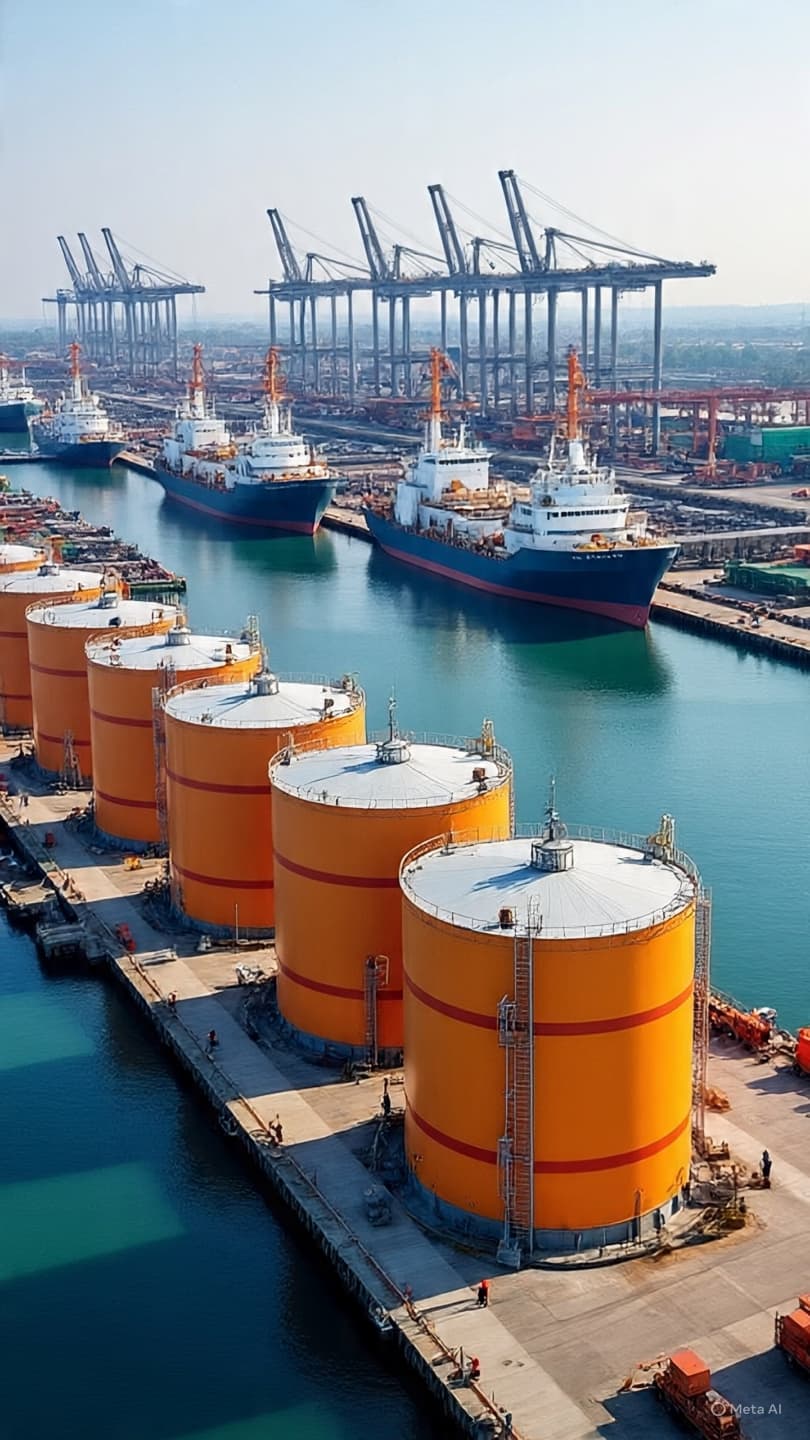
Key Highlights
- Shipping traffic in the Strait of Hormuz resumes following a ceasefire.
- Naval forces maintain a visible presence to ensure safe transit.
- Insurance premiums for vessels show signs of adjustment amid ongoing uncertainties.
The Strait of Hormuz, a vital maritime corridor, has seen a cautious return of shipping traffic following a recent ceasefire between Iran and its regional counterparts. As dawn breaks over the waters, vessels navigate the strait with a sense of measured vigilance, aware that the calm is a fragile one. This narrow passage, which typically facilitates about 20% of the world's oil supply, is critical not only for regional economies but also for global energy markets.
In the wake of the ceasefire, reports indicate that shipping flows have stabilized, yet the atmosphere remains charged with uncertainty. Tankers and cargo ships are now moving through the strait, but their journeys are marked by an acute awareness of the recent tensions that had disrupted operations. The resumption of traffic is a positive sign, but it is accompanied by a cautious approach from all stakeholders involved.
Naval forces from various nations, including both international and regional actors, continue to patrol the strait, ensuring that maritime routes remain secure. Minesweeping operations and surveillance efforts are ongoing, reflecting the persistent concerns about potential hazards that may still linger beneath the surface. The presence of these forces serves as a reassurance to shipping companies and their crews, who are acutely aware of the risks involved in navigating these waters.
Insurance markets, which often react swiftly to geopolitical developments, have begun to adjust their premiums for vessels transiting the strait. During the height of tensions, insurance costs surged, but there are signs of easing as the situation stabilizes. However, this adjustment is not uniform across the board, and shipowners remain cautious, weighing both official assurances and the subtle signals of risk that continue to persist.
On land, the ramifications of the ceasefire are equally significant. Ports are operating with renewed focus, coordinating the arrival and departure of vessels while maintaining heightened security measures. Energy producers are closely monitoring their output and export schedules, understanding that even minor disruptions can have substantial financial and logistical implications.
Diplomatic efforts remain active as well, with involved parties emphasizing the importance of maintaining stability in the region. While the ceasefire has provided a temporary pause in hostilities, it does not address the underlying tensions that led to the conflict. Statements from various stakeholders highlight the conditional nature of the current calm, underscoring the need for continued vigilance.
For observers of the Strait of Hormuz, the distinction between navigability and security is crucial. While the waterway is open for transit, the lingering uncertainties necessitate a cautious approach. The process of restoring full confidence in the strait's safety is likely to be gradual, requiring ongoing technical work and coordination among various parties.
As shipping resumes and naval forces remain engaged, the global markets are responding to these developments. The situation in the Strait of Hormuz serves as a reminder that the flow of trade is not solely dependent on movement but also on the delicate conditions that enable such movement to occur safely. The strait continues to reflect the complexities of international relations, where connection and caution coexist in the currents of commerce.
Published by Banx Network. This article is part of the Banx decentralized media programme, powered by the BXE token on the XRP Ledger.



