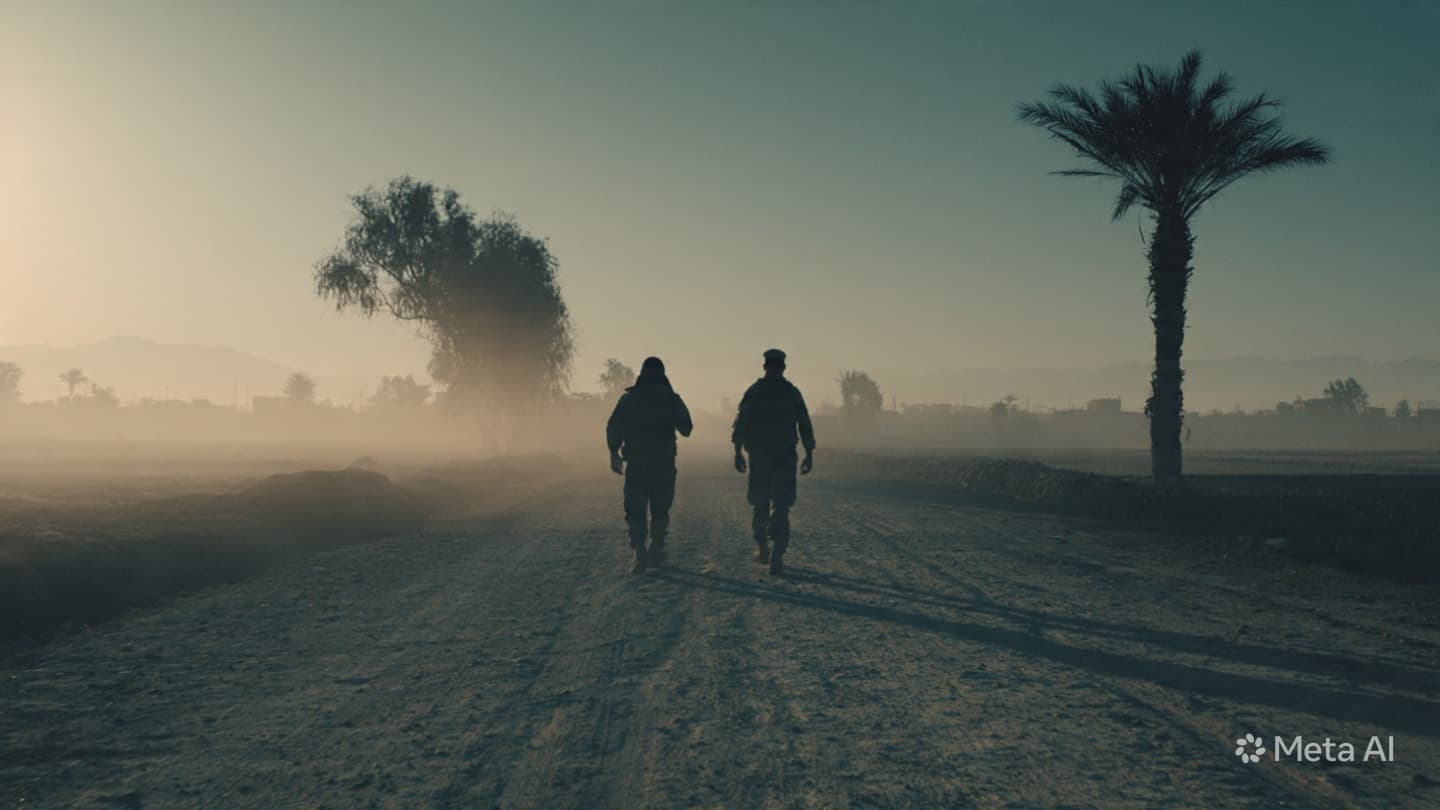
The atmosphere in Quetta is defined by a stillness that feels both heavy and expectant. In the aftermath of the recent incident, the valley has become a space of intense, measured activity, where the rhythm of daily life is punctuated by the steady presence of security forces. This is not a time of loud proclamations, but of diligent, focused labor. As the search intensifies, the city finds itself caught in a moment of quiet reflection, where the collective desire for safety and the pursuit of accountability converge in the narrow streets and wide, open expanses of the region.
There is a profound human element to the work currently being undertaken. Behind the uniforms and the checkpoints are individuals tasked with the difficult responsibility of restoring order in the wake of chaos. It is a process that requires patience and a capacity for endurance, as the search moves systematically through the terrain, leaving no stone unturned in the effort to bring clarity to a situation that has deeply touched the community. This is the nature of institutional response—a blend of technical precision and the enduring, fundamental drive to protect the vulnerable.
In these moments, the valley itself seems to bear witness to the search. The landscape, with its rugged contours and winding paths, has long been a witness to the shifting tides of history, and now it serves as the stage for this latest effort to ensure peace. The work of the security forces is an attempt to close the gaps, to reconcile the reality of the incident with the imperative of justice. It is an acknowledgment that the safety of the public is the most vital interest, and that every measure taken is a step toward reaffirming that conviction.
The investigative process is a reminder of the fragility of the peace we often take for granted. When a tragedy occurs, the immediate reaction is one of shock, but the subsequent search is an exercise in resilience. It represents the refusal of a society to be defined by a single act of violence. By intensifying the hunt for those responsible, the authorities are sending a clear, deliberate message—that the rule of law is an enduring force, capable of navigating the most challenging of circumstances to uphold the dignity of the victimized.
As the days unfold, the inquiry begins to reveal the layers of complexity inherent in the task. It involves not only the physical search but the synthesis of intelligence, the analysis of patterns, and the careful coordination of resources. This is the quiet, essential work of statecraft that happens far from the public gaze, yet its results are the foundation upon which the future stability of the valley is built. It is a process that demands transparency and the steadfast commitment of those in charge, ensuring that the path forward is marked by honesty and professional rigor.
The human cost, however, remains the primary focus of the community. In the quiet gatherings and the shared discussions, there is a palpable sense of solidarity. People are not just waiting for answers; they are supporting one another, finding strength in the collective resolve to move through this period of uncertainty. This is the resilience of Quetta, a quality that is woven into the very fabric of the city’s identity and which sustains it even during the most difficult of times.
Looking ahead, the goal is to emerge from this period with a clearer understanding of the vulnerabilities that led to the incident and a stronger, more resilient system for the future. The search is not an end in itself, but a means to a more secure state of existence. As the authorities continue their work, the community maintains its watch, a silent partner in the effort to ensure that such a tragedy is not repeated and that justice, when it comes, is comprehensive and enduring.
Ultimately, the search is a testament to the fact that progress is often a slow, deliberative journey. It is marked by moments of intense pressure and periods of quiet contemplation, but it is always directed toward a singular, noble objective: the creation of a safer, more stable environment for all. As the forces continue their efforts, they are guided by the hope that this period of scrutiny will pave the way for a return to the normalcy and peace that the residents of this valley so deeply deserve.
Following the recent fatal explosion at the Quetta railway station, security forces in Pakistan have significantly intensified their search operations across the province. Authorities have deployed additional personnel to key locations and are conducting thorough checks of transit points to identify those responsible for the attack. The investigation is being coordinated by top security officials, who are utilizing both intelligence assets and community-based reports to track leads. A high state of alert remains in effect as the government prioritizes the security of public infrastructure and the capture of perpetrators.
Published by Banx Network. This article is part of the Banx decentralized media programme, powered by the BXE token on the XRP Ledger.