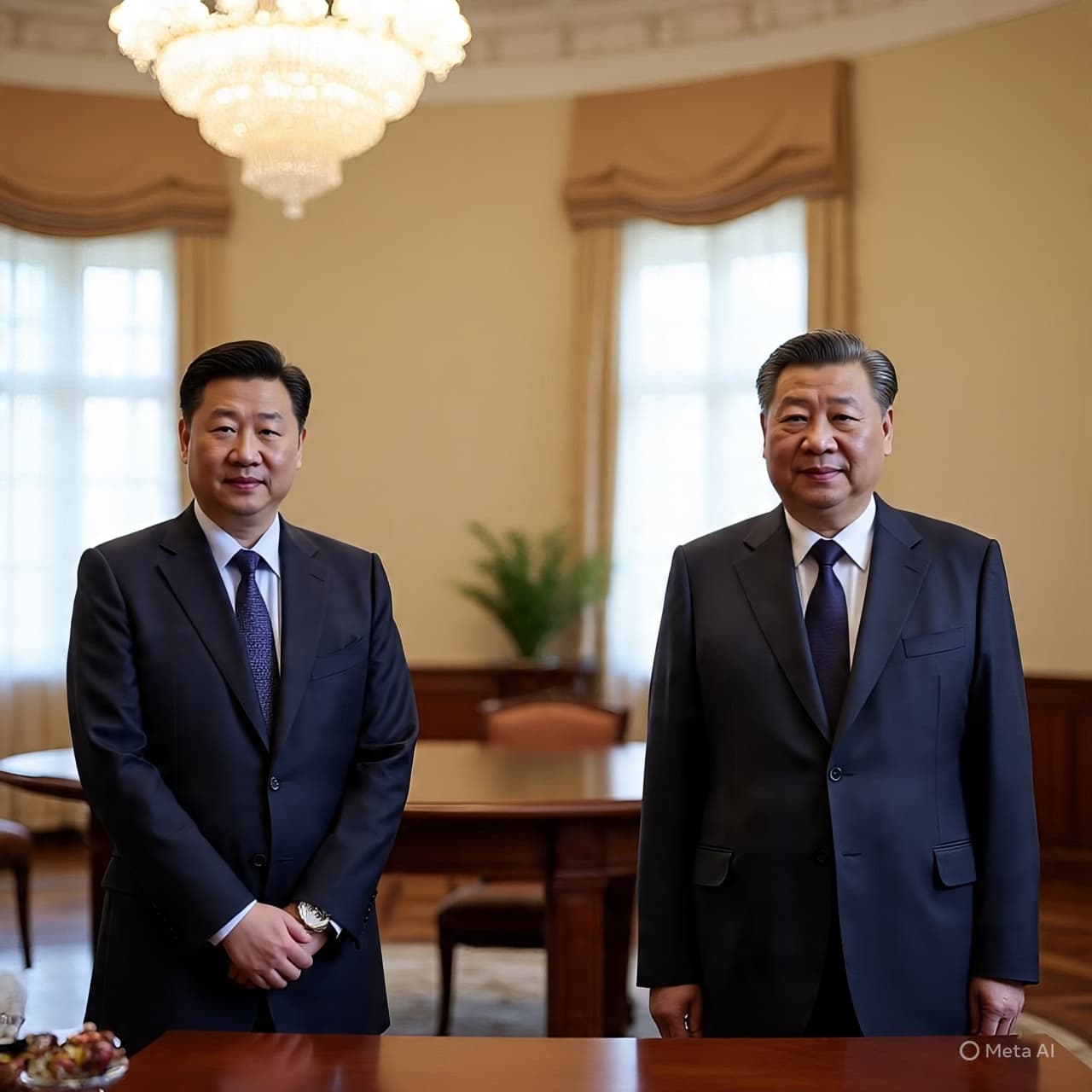
Diplomacy does not always announce itself with treaties or declarations. Sometimes it arrives through images—leaders leaning closer, smiles held a second longer than protocol requires, the quiet choreography of a photo taken at just the right moment. In recent days, those images have traveled outward from meetings between South Korean and Chinese officials, hinting at a subtle shift in tone between two neighbors long bound by geography and complexity.
South Korea’s leadership has spoken of entering a “new phase” in relations with China, language that suggests adjustment rather than rupture. The words were paired with gestures designed for visibility: friendly exchanges, relaxed appearances, and an emphasis on dialogue over distance. In a region where signals are often read as carefully as policy papers, such moments carry weight beyond their surface warmth.
The relationship between Seoul and Beijing has rarely been simple. Economic interdependence has coexisted with strategic unease, particularly as South Korea balances its alliance with the United States against the realities of China’s regional influence. Trade, technology, and security concerns have at times pulled the two capitals in opposite directions, even as daily commerce and cultural exchange continued to bind them together.
Against that backdrop, the recent emphasis on cordiality feels deliberate. South Korean officials have framed the outreach as pragmatic, aimed at stabilizing ties and reopening channels that narrowed during periods of tension. China, for its part, has welcomed the tone, presenting the encounters as evidence that cooperation remains possible despite broader geopolitical strains.
Yet beneath the smiles lies caution. Neither side has suggested a dramatic realignment, nor have longstanding disagreements disappeared. Issues surrounding regional security, supply chains, and diplomatic alignment remain unresolved, resting quietly beneath the polished surface of renewed engagement. The language of a “new phase” appears less about abandoning past positions and more about managing them with restraint.
What emerges instead is a recalibration, shaped by timing and context. With global politics increasingly fragmented, even incremental easing can feel significant. The public warmth, captured in photographs and brief remarks, serves as a signal that communication is preferable to silence, and that friction, while persistent, need not dominate every interaction.
South Korean officials have emphasized that the effort is focused on dialogue and mutual respect, not dramatic policy shifts. Chinese statements have echoed that sentiment, highlighting stability and cooperation. For now, the meaning of the moment resides less in concrete outcomes than in atmosphere.
As the meetings conclude and the cameras move on, the images remain. They suggest a pause in the hard edges of diplomacy, a willingness to explore a steadier rhythm between two closely linked states. Whether this new phase deepens or fades will depend on choices still to come, but for now, the posture is clear: engagement, carefully posed, cautiously expressed, and deliberately seen.
AI Image Disclaimer Visuals are AI-generated and serve as conceptual representations.
Published by Banx Network. This article is part of the Banx decentralized media programme, powered by the BXE token on the XRP Ledger.