

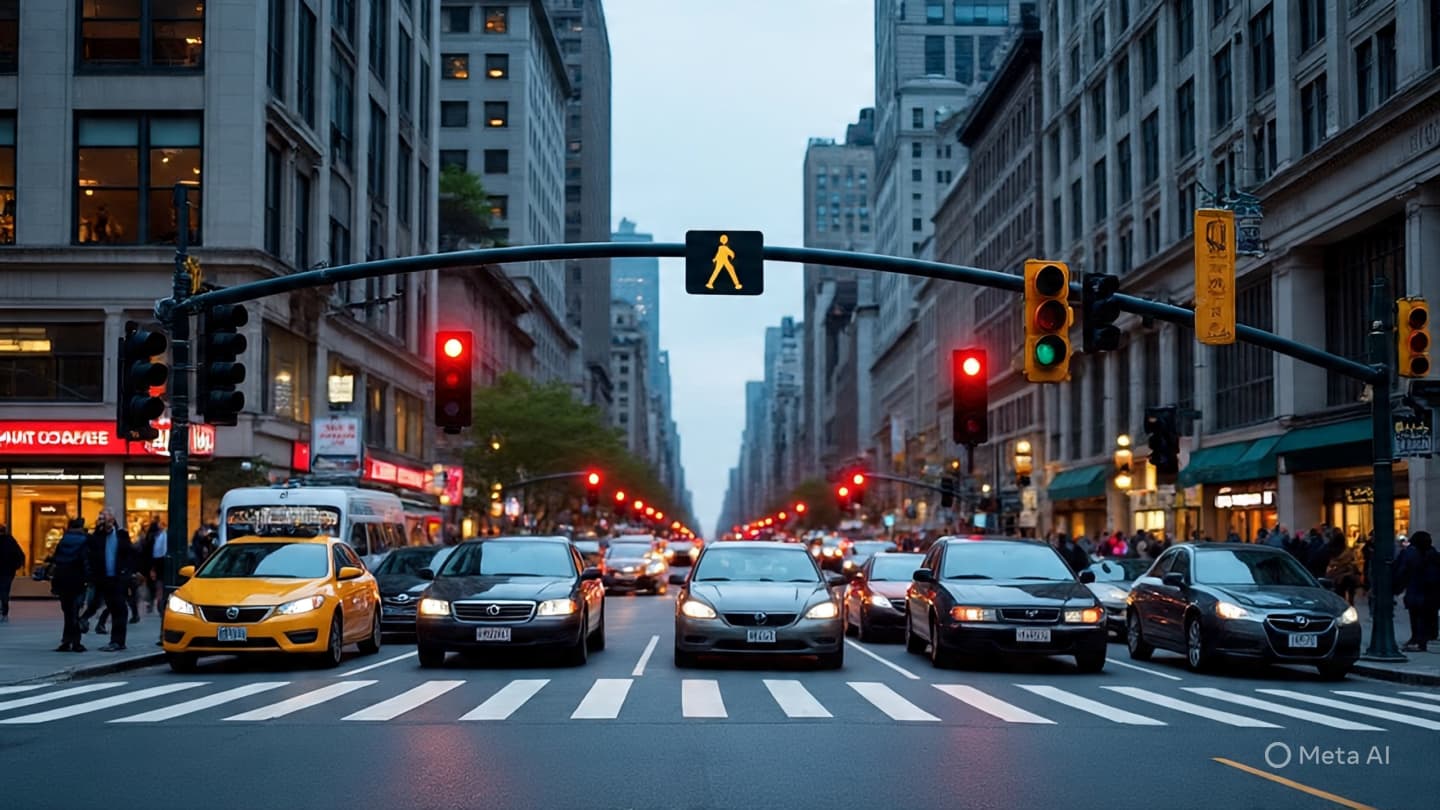
Key Highlights
- Traffic violations in Metro Vancouver have surged at key intersections.
- Automated enforcement cameras recorded thousands of speeding and red-light violations.
- Public awareness campaigns aim to promote safer driving habits.
Recent traffic enforcement data from Metro Vancouver has unveiled a troubling trend: a significant increase in traffic violations at several key intersections. This data, collected over the past year, reveals a pattern of speeding incidents and red-light violations that underscores the ongoing challenges faced by urban traffic management.
Automated enforcement cameras, strategically placed at high-risk intersections, have documented thousands of violations. These cameras operate continuously, capturing real-time driving behaviors that might otherwise go unnoticed. The data collected serves as a vital tool for understanding traffic patterns and identifying areas that require immediate attention.
Transportation authorities have long recognized that intersections are among the most vulnerable points within the road network. The convergence of vehicles, pedestrians, and cyclists creates a complex environment where even minor lapses in attention can lead to severe consequences. Officials emphasize that the safety of these intersections is paramount, as they are often the sites of serious accidents.
Analysis of the data reveals that many of the most frequently flagged intersections share common characteristics. High traffic volumes, intricate lane configurations, and proximity to commercial areas contribute to an increased risk of violations. These factors create a dynamic environment where drivers must remain vigilant, yet the temptation to rush or disregard signals can lead to dangerous outcomes.
In response to these alarming statistics, public awareness campaigns have been launched to encourage safer driving habits. These initiatives focus on the importance of patience and adherence to traffic signals, particularly during peak hours when congestion is at its highest. The messaging aims to foster a culture of safety among drivers, urging them to consider the potential consequences of their actions on the road.
Despite these efforts, the data suggests that behavioral change is a gradual process. While enforcement measures can deter some violations, lasting improvement often hinges on a broader cultural shift towards road safety. This shift requires not only compliance with traffic laws but also a collective commitment to prioritizing safety over convenience.
Urban planners are also actively exploring design-based solutions to enhance intersection safety. Adjustments to signal timing, clearer signage, and infrastructure improvements are part of an ongoing effort to reduce conflict points and improve overall traffic flow. These changes aim to create a safer environment for all road users, including pedestrians and cyclists.
The findings from Metro Vancouver serve as a crucial reminder that safety at intersections is influenced not only by enforcement systems and infrastructure but also by the everyday choices made by drivers. As the region continues to grapple with rising traffic violations, the call for a concerted effort towards safer driving practices has never been more urgent.
AI Image Disclaimer: Some visuals in this article are AI-generated and serve as illustrative representations.
Published by Banx Network. This article is part of the Banx decentralized media programme, powered by the BXE token on the XRP Ledger.




