
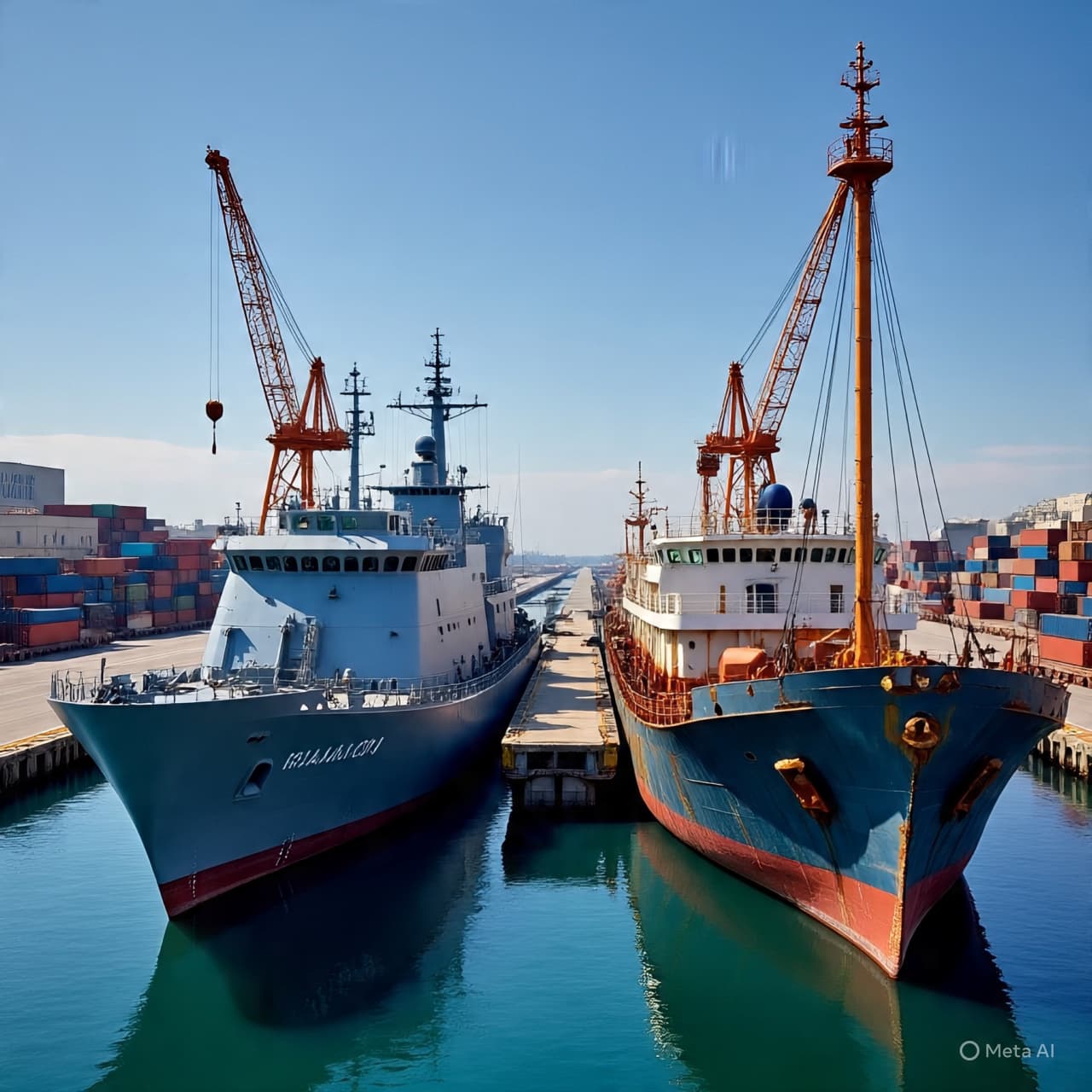
Key Highlights
- Incident:Iran's IRGC seized two vessels in the Persian Gulf.
- Allegations:Ships accused of smuggling over one million liters of fuel.
- Crew:15 foreign crew members detained for legal proceedings.
On a recent afternoon in the Persian Gulf, the tranquil waters were disrupted by a significant maritime incident. The Islamic Revolutionary Guard Corps (IRGC) of Iran announced the interception and seizure of two vessels accused of smuggling fuel. This operation took place near Farsi Island, a strategic location where the warm desert air meets the cool sea, underscoring the complex interplay of regional power dynamics.
According to Iranian authorities, the seized ships contained over one million liters of what they termed illicit fuel. The 15 crew members aboard, reportedly from various countries, have been handed over to judicial authorities for legal action. This operation was described as the culmination of months of surveillance and naval coordination aimed at curbing what Iran perceives as unlawful activities in its territorial waters.
The seizure of these vessels has transformed them from mere cargo carriers into potent symbols of the ongoing geopolitical contest in the region. In Bushehr province, where the legal proceedings are set to unfold, the implications of this incident extend far beyond the immediate legal ramifications for the crew. Families of the detained seamen are left in uncertainty, their lives intertwined with the broader currents of international relations.
In the wake of the seizure, voices within Iran have expressed heightened concerns about the Strait of Hormuz, a critical passage for global energy shipments. A former Iranian minister warned that the strait could become a “place of massacre and hell” for foreign powers, reflecting the deep-seated tensions that characterize the region. Such statements resonate within diplomatic circles, where the stakes are high and the potential for conflict looms large.
The Persian Gulf serves as a vital artery for the world’s oil and fuel trade, with tankers and freighters typically navigating its waters in a steady rhythm. However, as tensions between Tehran and other nations fluctuate, each maritime action is scrutinized for its broader implications. The recent seizure is not merely a law enforcement operation; it is a strategic maneuver that sends ripples through the already fraught geopolitical landscape.
As the situation develops, the narrative surrounding the Persian Gulf continues to evolve. The IRGC's actions are emblematic of a larger story of power, commerce, and caution in a region where every wave can carry significant meaning. The implications of this incident will likely reverberate through diplomatic channels and impact international relations in the months to come.
Published by Banx Network. This article is part of the Banx decentralized media programme, powered by the BXE token on the XRP Ledger.



