Key Highlights
- Contract Value:Hensoldt secures a €100 million deal for TRML-4D radars.
- Defense Shift:The contract reflects Europe's renewed focus on air defense.
- Strategic Importance:Enhanced capabilities aim to protect critical infrastructure.
On the outskirts of Europe’s industrial towns, the day begins with a low, steady hum. Workshops open, screens flicker awake, and engineers return to systems designed not for what is seen, but for what might be approaching. This environment is characterized by anticipation, where the careful reading of space occurs long before anything crosses it.
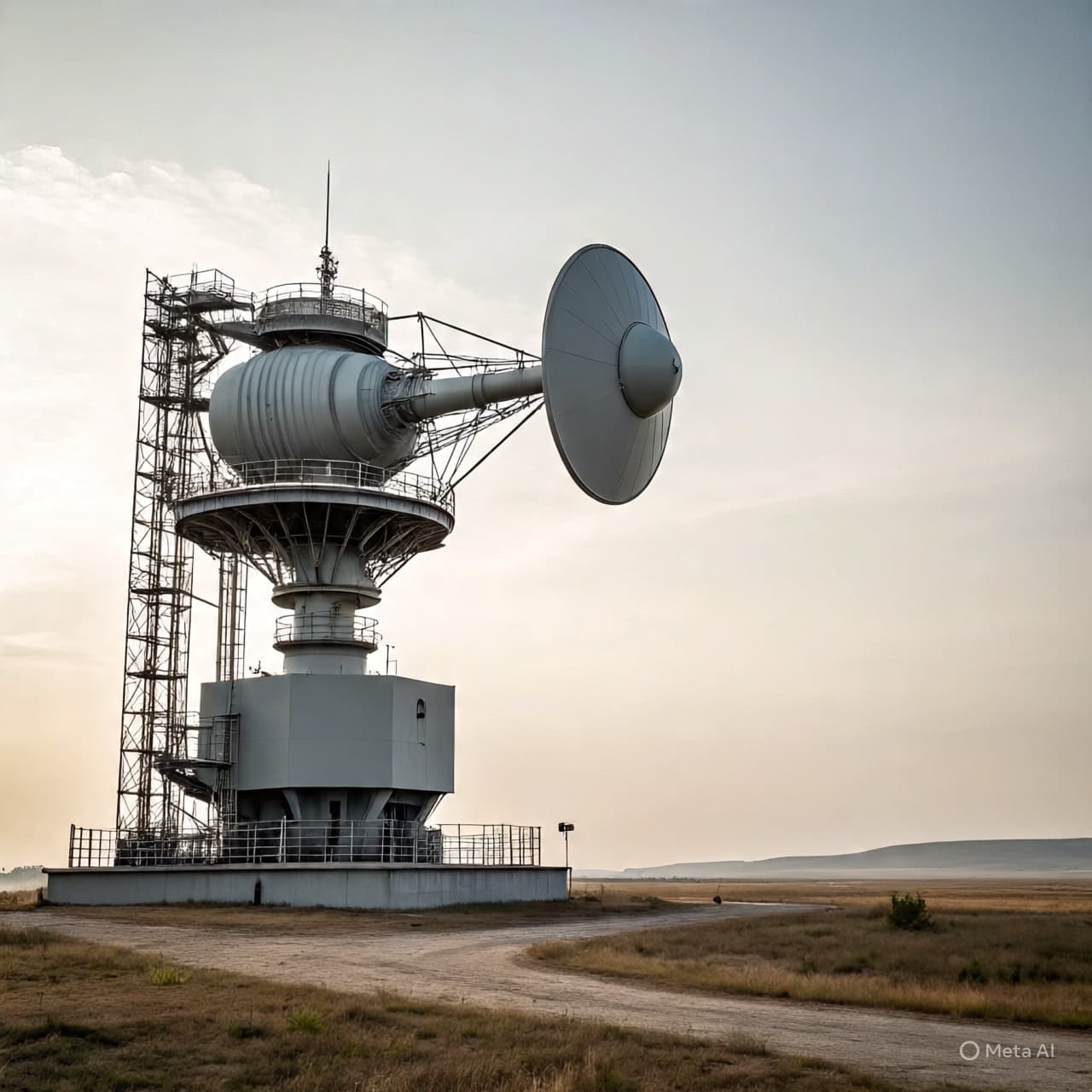
In this measured atmosphere, German defense technology company Hensoldt has secured a contract worth approximately €100 million to supply TRML-4D radars to Diehl Defence. This agreement is part of a broader effort across the continent to reinforce air and missile defense capabilities, emphasizing detection, tracking, and response time over spectacle. The TRML-4D radar is specifically designed for this moment, capable of monitoring airspace at medium range and tracking hundreds of targets simultaneously, including aircraft, helicopters, drones, and missiles.
The radar's rotating antenna and rapid refresh rate are engineered to reduce uncertainty, transforming vast skies into actionable data. For Diehl Defence, these radars will be integrated into air defense systems aimed at safeguarding critical infrastructure and military assets. This contract arrives amid a significant recalibration of European defense priorities, particularly following Russia’s invasion of Ukraine, which has prompted governments across the region to accelerate procurement plans.
Countries are now placing a greater emphasis on layered air defense and interoperability among allies. Germany, in particular, has committed to long-term investments in capabilities that were once taken for granted but rarely discussed. Radar systems, often invisible to the public, have moved to the forefront of strategic considerations, reflecting a shift in how Europe approaches its security landscape.
For Hensoldt, this deal reinforces its status as a key supplier within Europe’s defense ecosystem. The company, partly owned by the German state, has experienced a surge in demand for sensors and electronic warfare systems as nations reassess their preparedness in light of recent geopolitical developments. Contracts like this one signify not just urgency but a transition toward sustained readiness in defense capabilities.
There exists a paradox in radar work: it is intensely technical yet profoundly human in its purpose. Each sweep of the antenna represents an effort to gain a few more seconds, a clearer picture, and a steadier decision. In procurement documents and balance sheets, this translates into line items and delivery schedules. In practice, it becomes reassurance built layer by layer.
As production timelines are established and systems prepared for integration, the surface may appear unchanged. The skies remain open, and the landscapes familiar. Yet behind the scenes, new instruments are learning the contours of the air. The €100 million order is not a dramatic shift but a subtle indicator of how Europe is choosing to listen more closely to the space around it.
Published by Banx Network. This article is part of the Banx decentralized media programme, powered by the BXE token on the XRP Ledger.