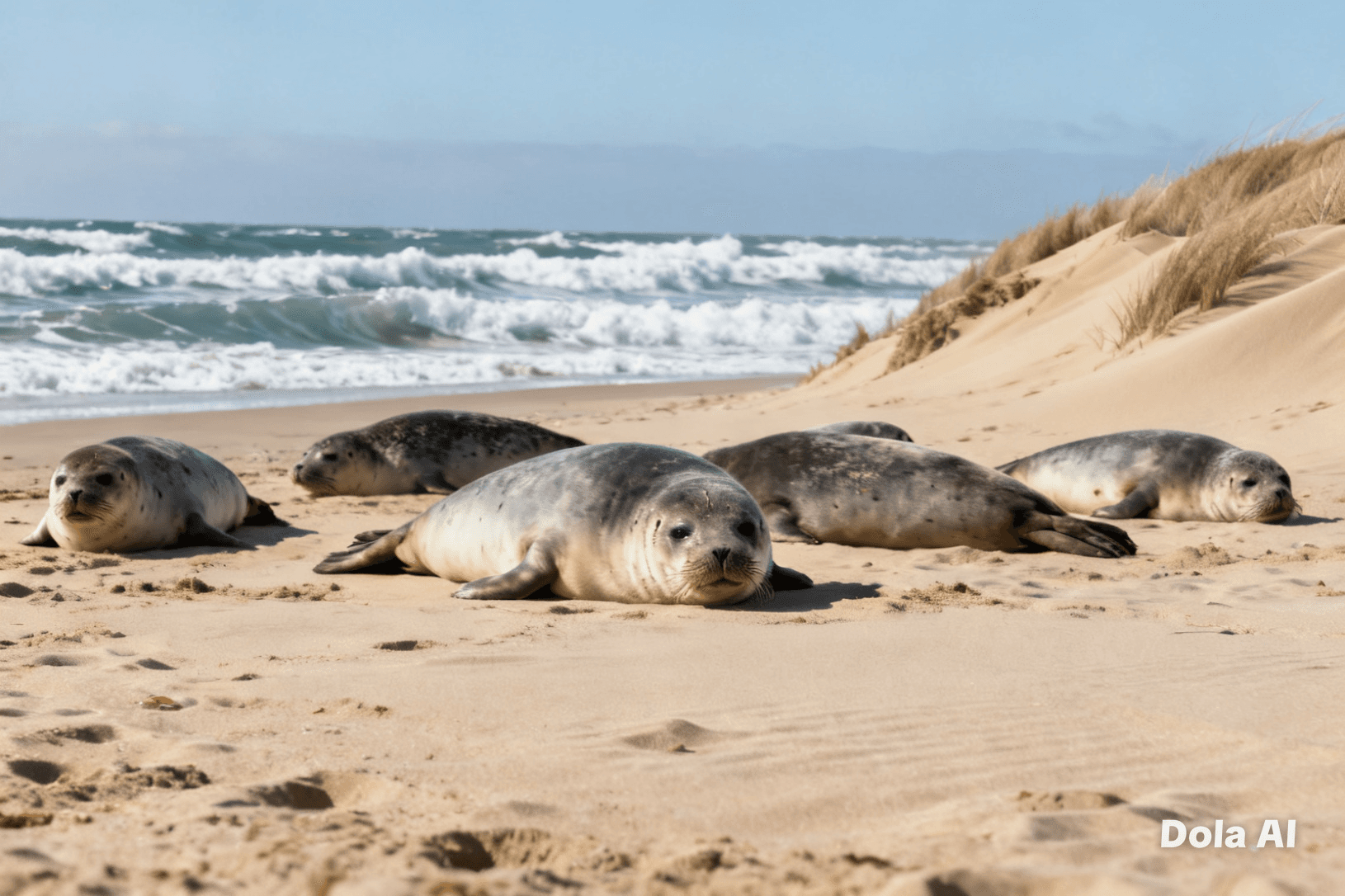
Along the wind-shaped dunes and red-sand shores of , the meeting of land and sea often feels timeless. Waves roll in measured cadence, shorebirds trace delicate paths across the sand, and seals surface briefly before slipping back into the Atlantic. It is a landscape that invites quiet observation—and, park officials say, respectful distance.
Authorities with are reminding visitors not to approach, touch, or attempt to interact with seals resting along the shoreline. As sightings increase during certain seasons, the agency reports a rise in well-intentioned but risky encounters, including attempts to photograph wildlife at close range or encourage animals to move.
Seals often haul out on beaches to rest, regulate body temperature, or care for young pups. While they may appear calm or even curious, they are wild animals capable of sudden movement and defensive behavior when startled or threatened. Approaching too closely can cause stress, disrupt essential resting periods, and in some cases provoke bites that pose health risks to humans.
Officials emphasize that maintaining distance protects both wildlife and visitors. Human presence can force seals back into the water before they are ready, depleting energy reserves critical for survival. Disturbances during pupping or molting periods can be particularly harmful, affecting growth, recovery, and overall health.
Park staff encourage visitors to observe seals quietly from afar, using zoom lenses or binoculars rather than physical proximity. Pets should be kept leashed and at a safe distance, as interactions between dogs and wildlife can escalate quickly. If a seal appears injured or entangled, visitors are urged to report the sighting to park authorities rather than intervening directly.
The advisory reflects broader principles of wildlife stewardship. Protected coastal ecosystems depend not only on regulations but on visitor awareness and restraint. By allowing animals to behave naturally, observers contribute to the preservation of fragile habitats and the well-being of species that rely on them.
For many travelers, encounters with wildlife form lasting memories—fleeting glimpses that deepen appreciation for the natural world. On Prince Edward Island’s shores, that experience is richest when guided by patience and respect, when the distance between observer and animal becomes a quiet gesture of care.
As summer approaches and foot traffic along beaches increases, park officials hope the message resonates: the shoreline is shared space, shaped by tides and inhabited by creatures whose rhythms predate human arrival. In honoring that balance, visitors help ensure that seals continue to rest undisturbed along the island’s gentle coastlines.
AI Image Disclaimer Images in this article are AI-generated illustrations, meant for concept only.
Sources : CBC News The Guardian (Charlottetown) CTV News Global News Parks Canada
Published by Banx Network. This article is part of the Banx decentralized media programme, powered by the BXE token on the XRP Ledger.