
Key Highlights
- Departure:A tanker suspected of being part of Russia's shadow fleet leaves France after paying a fine.
- Regulatory Scrutiny:The vessel faced inspections due to safety and administrative concerns.
- Ongoing Challenges:The incident underscores the complexities of enforcing maritime sanctions.
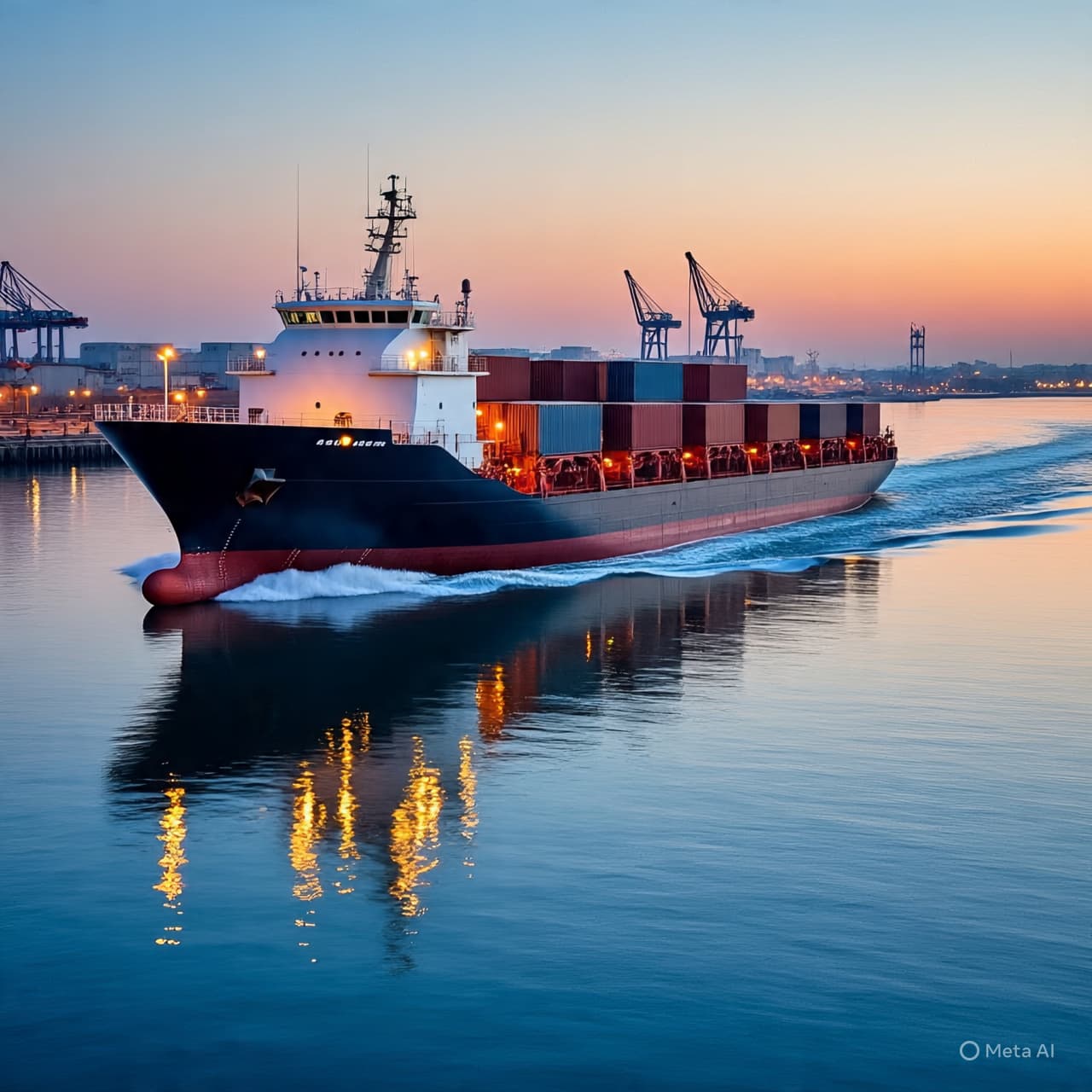
The calm waters of a French harbor belied the tension surrounding the recent departure of a tanker suspected of being part of Russia's so-called "shadow fleet." This vessel, which had been under scrutiny by European authorities, was allowed to leave after settling a fine related to regulatory violations. Its exit, though quiet and unceremonious, carries significant implications for the ongoing enforcement of sanctions against Russia's energy sector.
The shadow fleet represents a network of aging tankers and complex ownership structures designed to circumvent sanctions imposed by Western nations. Since the escalation of the conflict in Ukraine, these vessels have proliferated, adapting their routes and identities to keep oil flowing despite restrictions. The recent case in France highlights the challenges faced by authorities in tracking and regulating these ships, which often operate under layers of anonymity.
French officials detained the tanker during a routine port call, citing safety and administrative issues rather than direct sanctions violations. The fine imposed was relatively small compared to the value of the cargo, and once paid, the ship was cleared to continue its journey. This incident illustrates the delicate balance that authorities must maintain between enforcing maritime regulations and navigating the complexities of international law.
Across Europe, similar patterns have emerged as authorities grapple with the realities of maritime enforcement. Inspections and fines have become commonplace, yet the flow of oil continues, adapting to the obstacles presented by sanctions. Each inspected vessel serves as a reminder of the limitations of national enforcement in a global shipping system that thrives on movement and flexibility.
For France, the decision to release the tanker underscores the ongoing struggle to uphold safety and compliance while respecting the legal boundaries of enforcement in international waters. The broader European Union context reveals that while sanctions may appear comprehensive, their implementation often unfolds in a piecemeal fashion—fines and inspections rather than outright bans.
As the tanker navigated past the breakwater, it joined a multitude of vessels traversing the seas, each representing a complex interplay of geopolitics and maritime law. The facts of this case are straightforward: a fine was paid, a ship was released, and a journey resumed. Yet, the lingering question remains—how many more such departures will occur before the rules of the sea and the pressures of geopolitics converge in a more decisive manner?
Published by Banx Network. This article is part of the Banx decentralized media programme, powered by the BXE token on the XRP Ledger.



