The night sky has always invited synthesis. Stars appear separate until the eye adjusts, revealing constellations shaped by patience and perspective. In recent days, a similar adjustment has been asked of markets and technologists alike, as Elon Musk confirmed that SpaceX and his artificial intelligence venture, xAI, are moving toward a merger, a step framed as preparatory to an eventual public offering.
The announcement did not arrive with fireworks. It surfaced in statements and brief confirmations, the kind that ripple outward slowly, gathering interpretation as they go. SpaceX, long associated with steel, flame, and the physics of escape velocity, has been paired with xAI, a company built around code, computation, and the ambition to understand intelligence at scale. The logic, Musk suggested, lies in alignment—of data, of tools, of long-term direction.
For SpaceX, whose satellite network already threads the planet with signals, the promise of advanced artificial intelligence has been an undercurrent rather than an interruption. Satellite imagery, network optimization, autonomous systems—these are spaces where machine learning has quietly become infrastructure. For xAI, access to vast real-world data and the operational demands of spaceflight offers a proving ground few AI firms possess.
The timing matters. Talk of an IPO brings with it the choreography of disclosure and consolidation, a need to present a coherent story to investors who look for scale and synergy. A merger ahead of that moment suggests an effort to simplify the narrative: fewer silos, clearer lines between ambition and execution. It also reflects Musk’s tendency to braid his ventures together, letting advances in one domain feed another.
Around the edges, questions form. Regulators will examine structure and governance. Investors will parse how risk and reward are shared. Engineers and researchers will consider what it means to work at the intersection of rockets and reasoning machines. None of these answers arrive immediately; they accumulate, like orbital calculations refined over time.
As the news settles, the broader significance remains understated but persistent. A company that once promised to make humanity multiplanetary is now formally entwining that mission with artificial intelligence, suggesting that the future Musk imagines is not segmented but continuous.
If an IPO does follow, it will mark a public moment for a decision already set in motion. Until then, the merger stands as a quiet realignment, a reminder that some of the most consequential shifts happen not with spectacle, but with the steady pull of gravity bringing separate bodies into the same path.
Summary (≤200 characters) Elon Musk confirmed plans to merge SpaceX with xAI ahead of a potential IPO, signaling a strategic alignment between space technology and artificial intelligence ambitions.
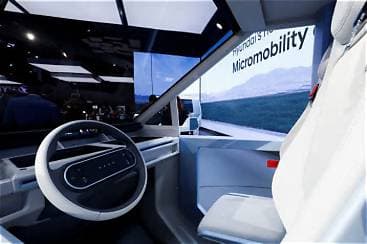
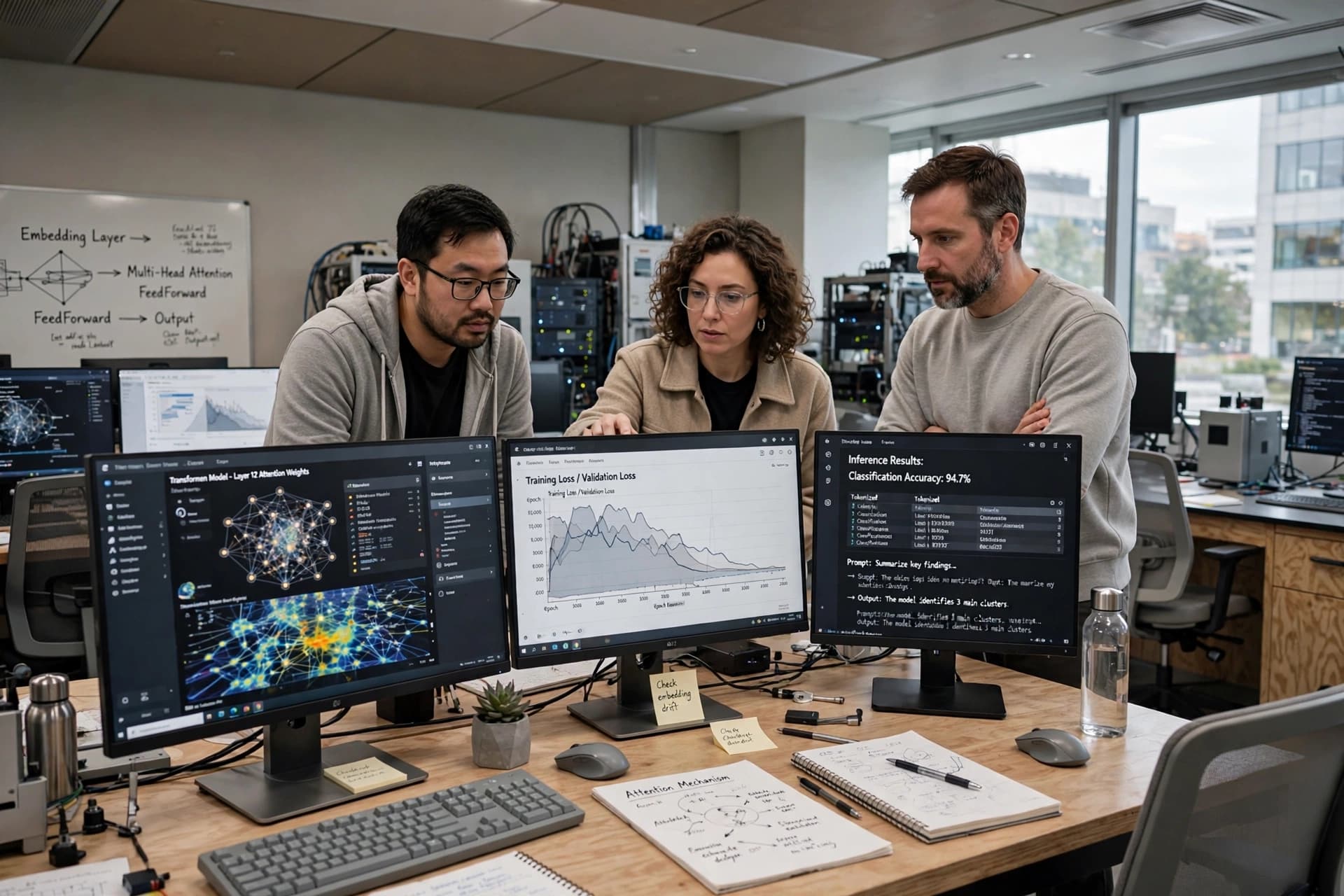
AI Image Disclaimer Illustrations were created using AI tools and are not real photographs.
Sources Reuters Bloomberg The Wall Street Journal Financial Times CNBC
Published by Banx Network. This article is part of the Banx decentralized media programme, powered by the BXE token on the XRP Ledger.