
Key Highlights
- Diplomatic Meeting:UK to host representatives from 35 nations.
- Geopolitical Tensions:Strait of Hormuz crucial for global oil trade.
- Economic Impact:Closure affects energy prices and global commerce.
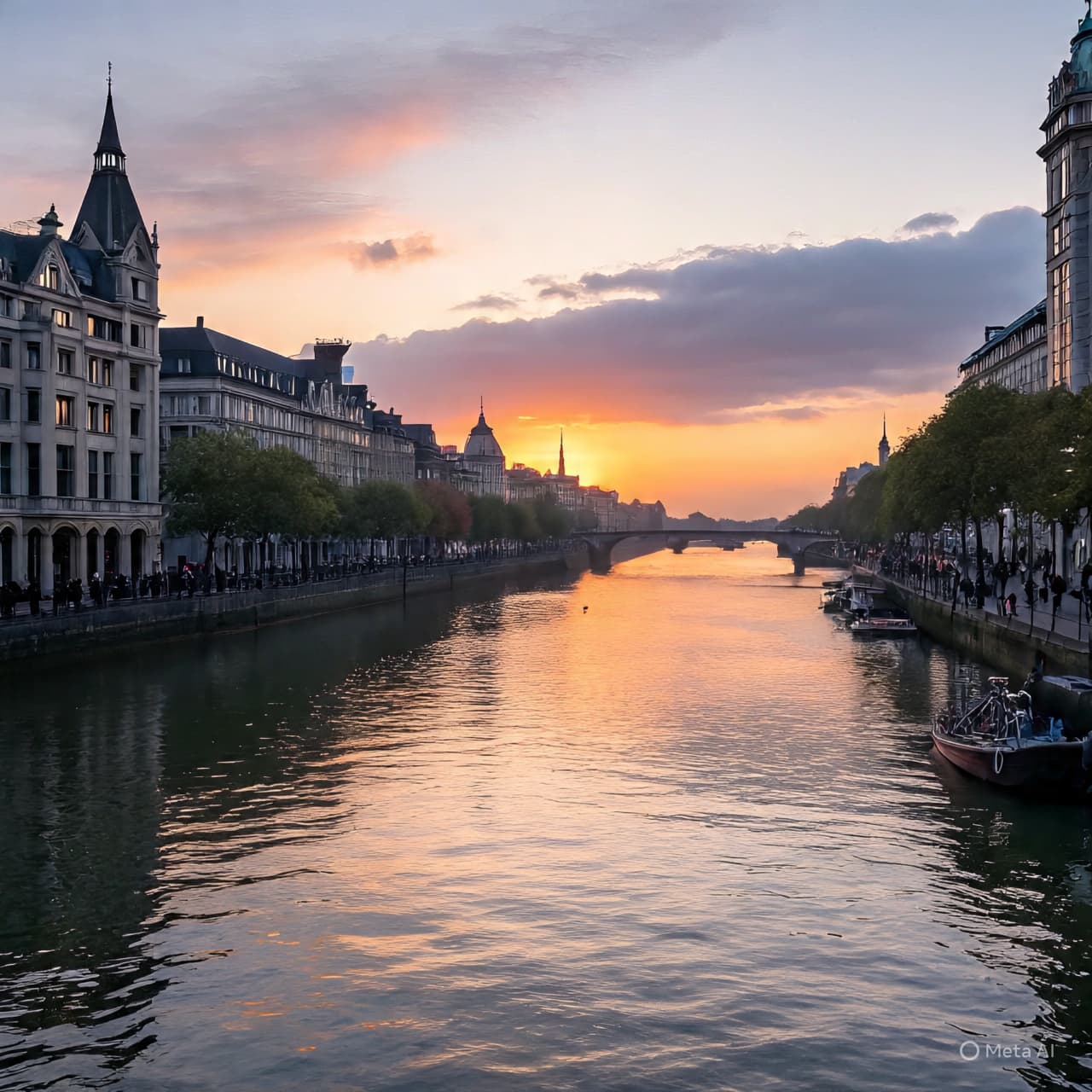
In the pale light that settles over London’s Thames embankment at dawn, the river slips eastward like a slow, reflective pulse. The city’s ancient stones and modern glass catch the first breath of morning, drawing a quiet line between what has been and what might come. There is an unspoken rhythm here — the pace of change measured not only in hours but in the deeper currents that carry stories from one shore of the world to another. On this day, those currents seem especially attentive to a narrow channel of sea thousands of miles away, where the world’s energy and anxieties both rise and ebb.
For weeks now, the Strait of Hormuz has been more than a ribbon of water between landmasses. It has stood as a fulcrum of global trade, a passage through which roughly one-fifth of the world’s oil once flowed, and a space where geopolitical tension has transformed tides into questions of security and survival. In response to the disruptions wrought by the Middle East conflict, Britain’s Prime Minister, Sir Keir Starmer, has reached out across continents and governments with a gentle insistence on cooperation and counsel. In a Downing Street press briefing this week, he announced that the United Kingdom will host representatives from some 35 nations to explore diplomatic and political ways to restore safe and open navigation through the strait once hostilities ease. It is not a gesture of force, but of gathering — a collective attempt to map a way back toward the simple, vital hum of tankers and freighters.
The meeting, convened under the soft promise of late spring, will be led by the UK Foreign Secretary, Yvette Cooper, who will invite ministers and envoys to consider “all viable diplomatic and political measures … to restore freedom of navigation, guarantee the safety of trapped ships and seafarers, and resume the movement of vital commodities.” Behind her words lies an awareness that the strait’s closure has rippled far beyond waves and hulls: it has pushed up energy prices, strained economies, and reminded nations of their deep entanglement in the unseen arteries of global commerce.
The scene of this planned gathering is more than a conference room. It is an idea taking shape in a world where the simple flow of goods once taken for granted now carries gravity. Past efforts by major economies — from Europe to Japan — to coordinate responses have underscored how reliant they are on a steady pulse of crude and gas. Their markets, once whispering lullabies of balance, now murmur anxiously to the beat of disrupted supply routes and the uncertainty of when, or how, calm might return.
Starmer’s focus on diplomacy and de-escalation sits beside another truth of this moment: the path from plan to passage will not be short or simple. “This will not be easy,” the Prime Minister cautioned as he framed his call to like-minded states. His words, deliberate and unhurried, reflect an understanding that restoring a critical artery of global commerce requires both consensus and the careful unwinding of tension that has knotted the waters of the Persian Gulf.
Yet in gathering so many voices under one roof, there is a subtle echo of something broader — the sense that challenges this vast cannot be met alone. It is a reminder that even as histories diverge and alliances shift, the world’s futures are bound together by tides more persistent than politics. As morning light spreads over embankment and river, the promise of shared effort in London’s halls seems to embody this delicate truth: that in the interplay of nations, the gentle work of cooperation often begins with conversation.
Published by Banx Network. This article is part of the Banx decentralized media programme, powered by the BXE token on the XRP Ledger.



