
Key Highlights
- Severe flooding in northern Cameroon caused by continuous rainfall.
- Roads and bridges destroyed, isolating communities and disrupting transport.
- Local farmers face crop losses and supply transport challenges.
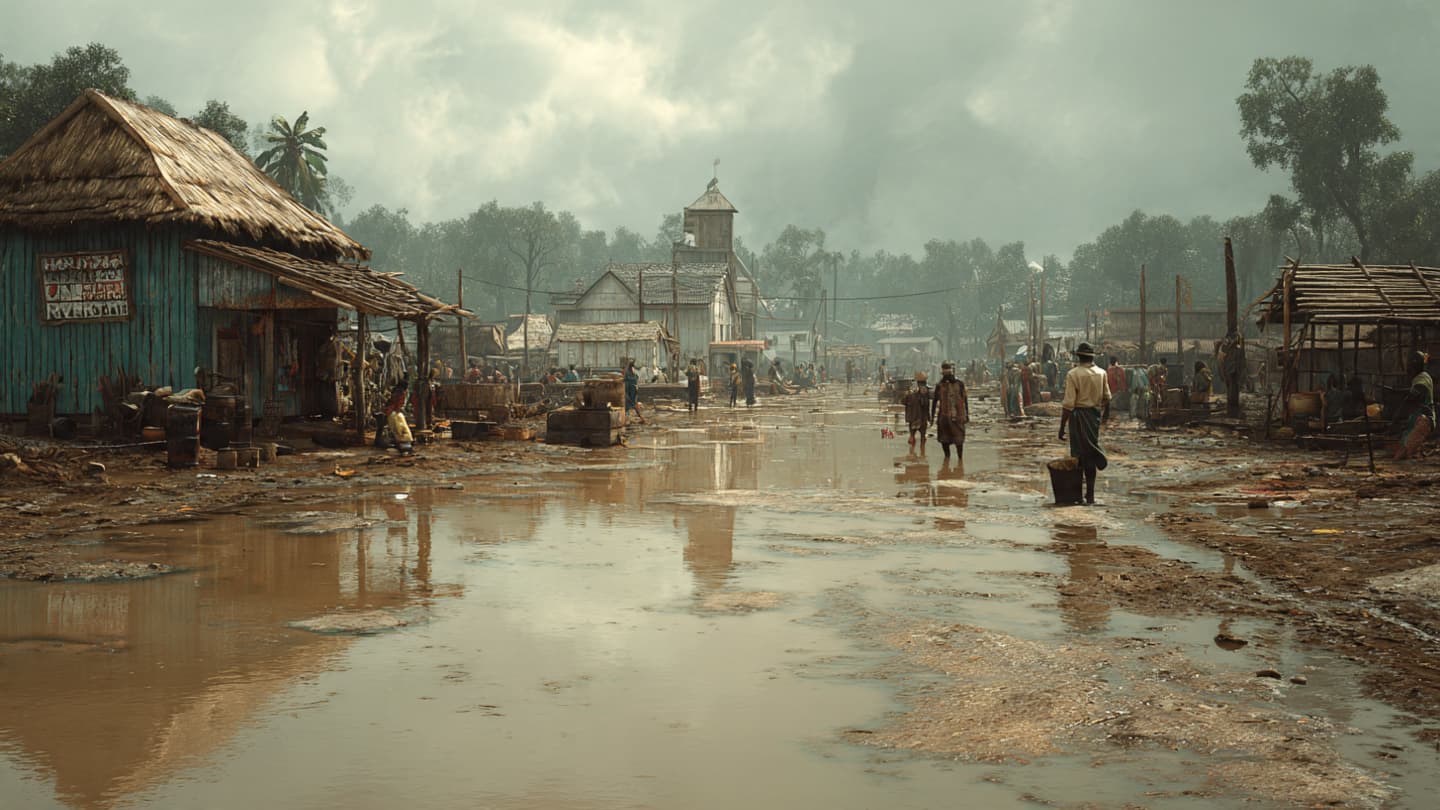
The rain had fallen relentlessly across northern Cameroon, transforming dirt roads into rivers of mud and pushing brown water far beyond its usual boundaries. Villages that were once connected by narrow bridges and winding routes became isolated as floodwaters surged through the countryside with both quiet persistence and sudden destruction. The situation escalated quickly, leaving many residents grappling with the aftermath of nature's fury.
Authorities confirmed that severe flooding had wreaked havoc on infrastructure, destroying roads and bridges across various parts of northern Cameroon. Continuous rainfall led to rivers overflowing into surrounding communities, prompting emergency officials to report widespread transportation disruptions. The impact was immediate and severe, with many rural areas cut off from essential services and support.
Local authorities indicated that several bridges collapsed under the pressure of fast-moving currents, while key roads became impassable due to erosion and deep standing water. Rescue teams and municipal workers were deployed to assess the damage and assist residents who found themselves isolated by the flooding. The urgency of the situation was underscored by the rapid rise of water levels, which caught many off guard.
Residents recounted harrowing experiences as they watched the water rise overnight, carrying debris, tree branches, and sections of damaged roadway downstream. In some areas, vehicles attempting to navigate weakened roads became stranded, further complicating access to nearby towns and marketplaces. The flooding not only disrupted daily life but also posed significant risks to safety and well-being.
The agricultural sector faced its own challenges as farmland remained submerged beneath muddy water. Farmers expressed deep concern over potential crop losses and the difficulties in transporting supplies, as damaged roads delayed deliveries and emergency support operations. The economic implications of the flooding were significant, threatening livelihoods and food security in the region.
Emergency agencies warned that additional rainfall could exacerbate conditions in low-lying districts already weakened by soil erosion and unstable infrastructure. Authorities urged residents living near rivers and flood-prone zones to prepare for possible evacuations if water levels continued to rise. The proactive measures were essential to safeguard lives and mitigate further damage.
Despite the destruction, local communities rallied together to clear debris and create temporary paths connecting isolated villages. Aid workers and volunteers played a crucial role, transporting food and medical supplies using small boats and improvised crossings where bridges had collapsed. The resilience and solidarity of the affected communities shone through in the face of adversity.
As evening approached, authorities confirmed that emergency assessments and infrastructure repairs would continue across northern Cameroon. Weather monitoring remained active throughout the flood-affected areas, with hopes that conditions would stabilize soon. The road to recovery would be long, but the determination of the local population to rebuild and support one another remained strong.
Published by Banx Network. This article is part of the Banx decentralized media programme, powered by the BXE token on the XRP Ledger.



