
Key Highlights
- Hastings councillors are debating the inclusion of a mana whenua seat on a new water services board.
- The discussion reflects broader issues of representation and governance in New Zealand.
- The outcome may influence how water resources are managed and understood in the community.
In Hastings, New Zealand, a significant debate is unfolding within the local council regarding the governance of water services. The central question at hand is whether to include a mana whenua representative on a newly proposed water services board. This discussion is not merely procedural; it touches on deeper issues of representation, identity, and the relationship between local iwi and the waterways that have shaped their culture and history.
The rivers of Hawke’s Bay carry stories that predate modern governance structures. For many iwi and hapū, these waterways are not just resources but integral to their identity and stewardship practices. The proposal to include a mana whenua seat is seen by some councillors as a necessary acknowledgment of this relationship, providing a formal voice in decision-making processes that have historically marginalized indigenous perspectives.
However, the debate is not without contention. Some councillors express concerns about how a mana whenua representative would function within the existing governance framework. Questions arise about the implications of such a seat for future governance arrangements and how it aligns with established policies. This division reflects differing philosophies on representation and the role of traditional knowledge in contemporary governance.
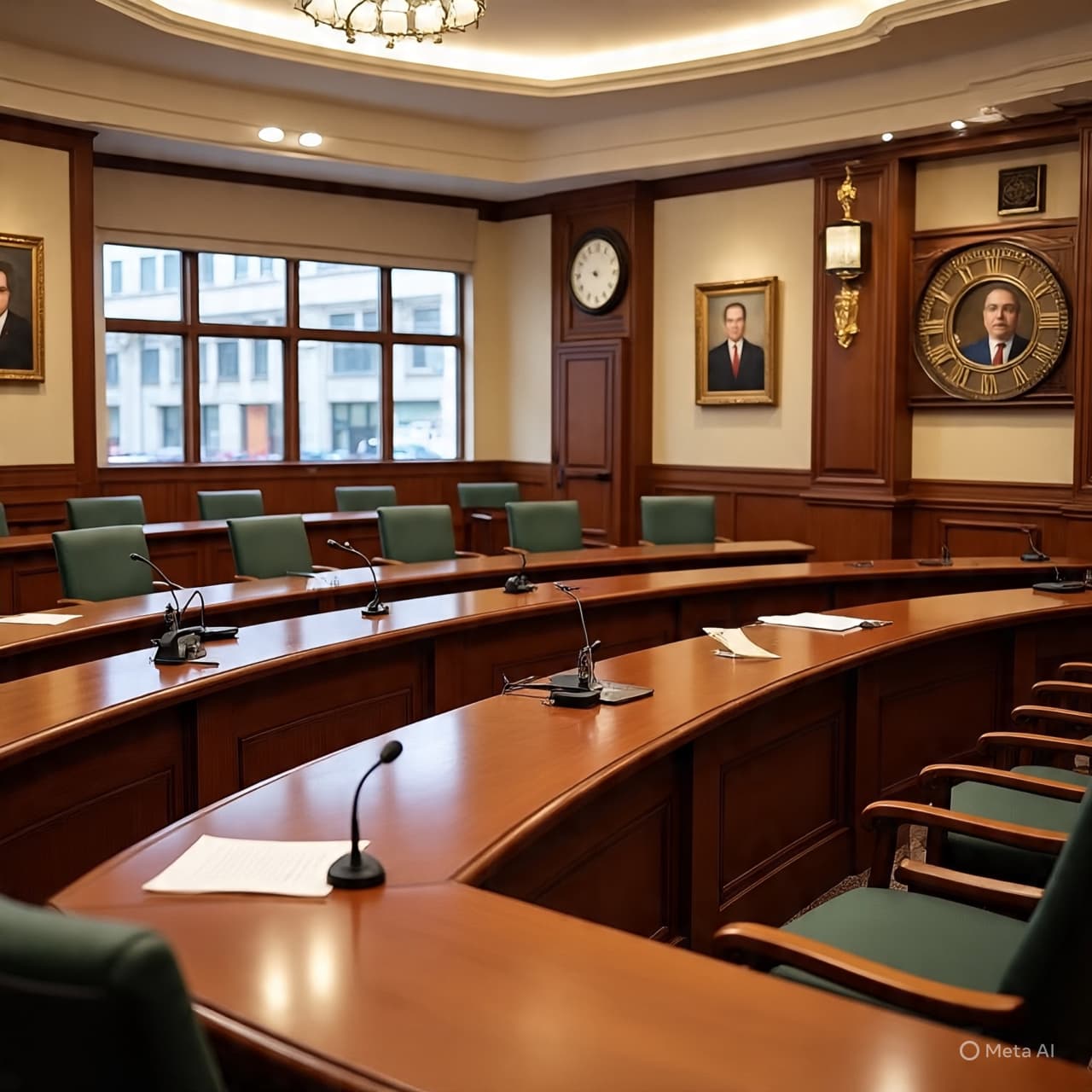
As discussions progress, the council chamber has become a space for passionate exchanges, with councillors emphasizing various principles—tradition, equity, and institutional integrity. Despite the disagreements, there is a shared understanding of the importance of the decision at hand. Water services are foundational to community life, influencing not only infrastructure but also the trust between the council and the community.
The ongoing debate highlights the complexities of reconciling different worldviews regarding water governance. It is not merely about adding a seat to a board; it is about shaping the future of participation and responsibility in managing vital resources. The council's deliberations reflect a broader societal effort to integrate diverse perspectives into governance structures, a process that is often fraught with challenges but essential for equitable outcomes.
Outside the council chamber, the rivers continue their course, unaffected by the political discussions surrounding them. Yet, the decisions made by the council will undoubtedly impact how these waterways are understood and managed in the future. The outcome of this debate will resonate beyond Hastings, potentially influencing water governance practices across New Zealand.
As Hastings councillors navigate this complex issue, the importance of open dialogue and diverse representation remains paramount. The discussions serve as a reminder that water governance is not just about management but also about honoring the stories and relationships that have existed for generations.
In conclusion, the Hastings council's deliberations over the inclusion of a mana whenua seat on the water services board encapsulate a critical moment in New Zealand's ongoing journey toward equitable representation and stewardship of natural resources. The outcome will shape not only the governance of water in Hastings but also the broader narrative of how indigenous voices are integrated into decision-making processes.
Published by Banx Network. This article is part of the Banx decentralized media programme, powered by the BXE token on the XRP Ledger.



