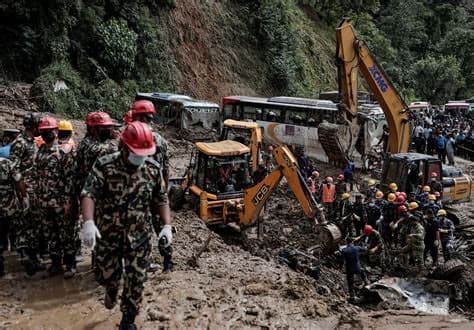
There are storms that pass like brief interruptions, their presence measured in hours before fading into memory. And then there are those that seem to linger—not in the sky, but in the land itself, where their imprint remains long after the rain has stopped falling.
In parts of Hawaii, the water has receded, but something else has taken its place. A deep, rust-colored layer now clings to homes, streets, and everything in between—volcanic mud carried down from higher ground, settling with a quiet finality across neighborhoods that only days before stood unchanged.
Maui, among the hardest hit, has seen what officials describe as the worst flooding in two decades. The rain, relentless and sustained, moved through valleys and slopes with a force that gathered soil along the way. By the time it reached residential areas, it carried not just water, but the island’s own red earth—thick, heavy, and difficult to clear.
The result is a landscape transformed. Houses remain standing, yet altered—walls stained, floors buried, belongings partially obscured beneath layers of mud that have hardened as they dry. What was once fluid has become fixed, requiring not just time, but labor to remove.
Residents have begun the slow process of returning, stepping carefully through spaces that feel both familiar and unfamiliar at once. Cleanup efforts are underway, with crews and volunteers working to clear debris and restore access. The work is methodical, shaped by the weight and density of the material left behind.
Officials have linked the severity of the flooding to intense rainfall that overwhelmed drainage systems and natural waterways. The terrain, shaped by volcanic history, contributed to the movement of sediment, allowing large amounts of red soil to be carried downhill into populated areas.
For many, the experience is not only one of damage, but of disorientation. The land, usually a source of stability, has shifted in form, leaving behind a reminder of how closely environment and habitation are intertwined. What settles after such an event is not only mud, but a sense of pause—a recognition that recovery unfolds gradually, one cleared surface at a time.
Emergency services have responded across affected regions, and no widespread loss of life has been reported in connection with the flooding. Authorities continue to assess damage and coordinate assistance as communities begin rebuilding efforts.
The flooding in Maui has been described as the worst in 20 years, with volcanic mud covering homes and infrastructure following heavy rainfall. Cleanup operations are ongoing as officials evaluate the extent of the damage.
Visuals are AI-generated and serve as conceptual representations.
Sources Reuters Associated Press CNN BBC News The Guardian
Published by Banx Network. This article is part of the Banx decentralized media programme, powered by the BXE token on the XRP Ledger.