In the pale hush of a winter dawn, when the first glimmers of light dapple the granite of Barcelona’s platforms and the distant fields beyond Madrid seem suspended between night and day, Spain’s railways — once accustomed to the constant rhythm of departure and arrival — have found themselves unusually still. It is not the silence of empty tracks alone that lingers, but the quiet meditation of thousands of commuters and travelers whose usual routes have been disrupted by a profound expression of concern: a nationwide walkout by train drivers, protesting what they describe as persistent fails in safety that undergird the country’s vast rail infrastructure.
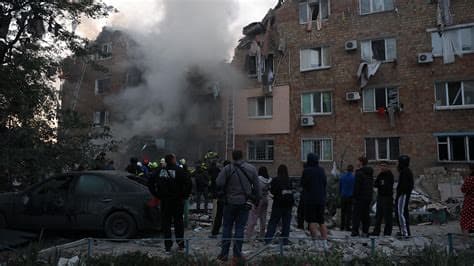
The strike, called by the main train drivers’ union Semaf and supported by other unions including CCOO and UGT, was slated as a three‑day stoppage, beginning on Monday, February 9. In its origins, it was a response to a harrowing sequence of events in January, when two separate rail disasters cast long shadows across the network. In the southern region of Andalusia, a high‑speed train derailment near Adamuz claimed the lives of dozens, marking one of the deadliest rail accidents in recent memory. Barely forty‑eight hours later, a commuter train in Catalonia — caught in the aftermath of severe weather and infrastructure stress — derailed, killing a trainee driver and injuring many passengers.
These tragedies did more than exact tragic tolls; they stirred debate about the resilience of tracks and tunnels, the vigor of inspections, and the adequacy of staffing and maintenance that bind together the nation’s routes. Drivers and workers spoke of infrastructure that creaks under the weight of expectations and expansion, of lines that may have been stretched thin in their upkeep even as new spans and networks ushered in rapid connections between cities. The union’s call for investment, greater numbers of inspectors and maintenance staff, and a more robust safety culture resonated with commuters and rail workers alike, giving shape to a collective yearning for assurance on journeys taken daily without thought of peril.
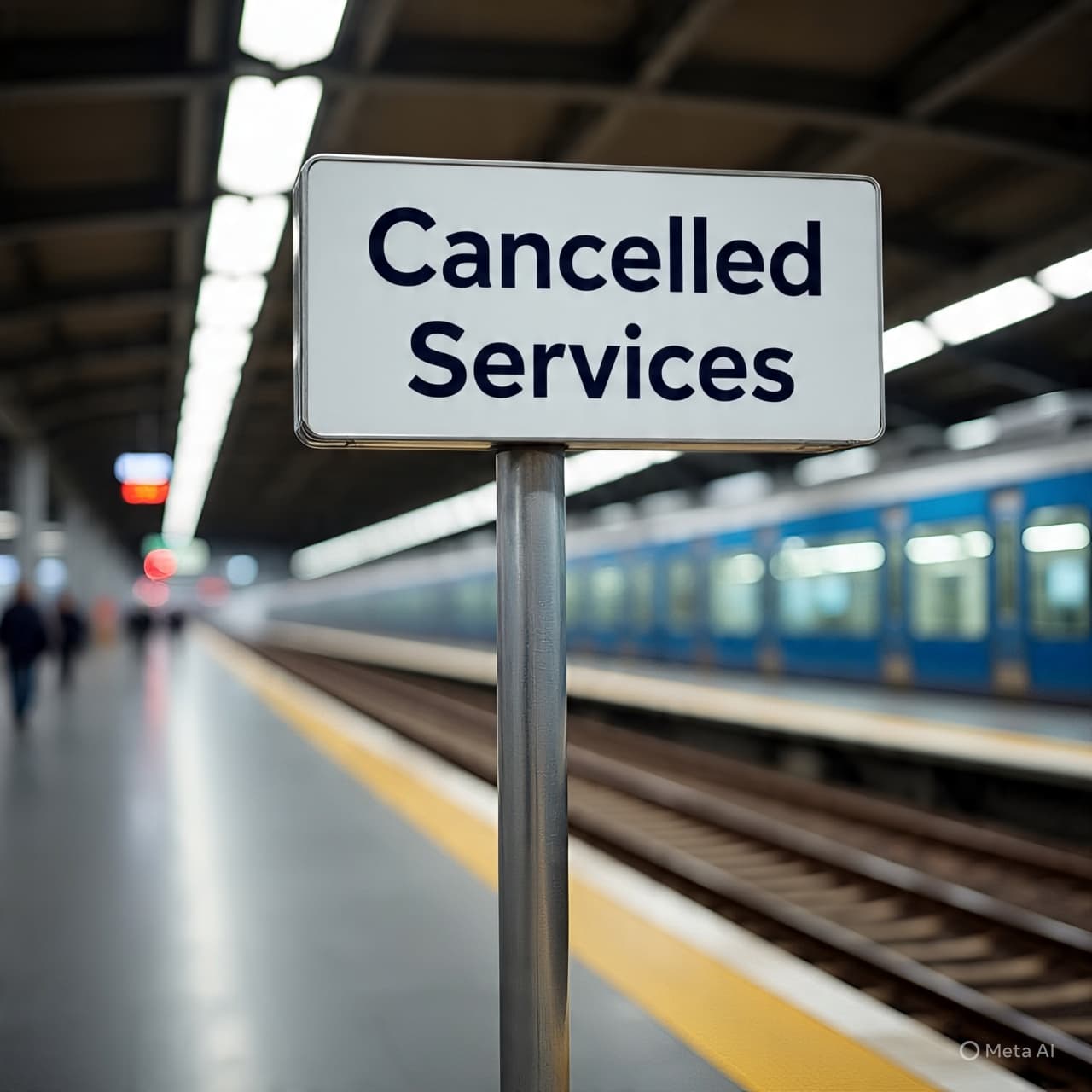
On the first day of industrial action, stations from Madrid’s Atocha to Catalonia’s regional hubs saw fewer trains than usual. Long‑distance and commuter services alike faced cancellations or delays, despite official minimum service requirements intended to preserve essential travel during the strike. Some regions, grappling with the high adherence to the stoppage, reported significant breaches of those minimum services, leading to a tableau of waiting passengers, suitcases idle at platforms, and announcements echoing across concourses about postponed departures.
Yet in the midst of this disruption, another current ran quietly alongside: dialogue. After intense negotiations between union representatives and the Spanish Ministry of Transport that stretched into the day, a preliminary agreement was reached. The headline of this nascent accord spoke of strengthened investment, enhanced safety procedures, increased staffing, and more vigilant maintenance regimes. In response to these commitments, the main unions, including Semaf, CCOO and UGT, announced the suspension of the planned strike beyond its opening day. Smaller unions, representing workers who felt excluded from the talks, vowed to continue their actions, underscoring that while progress had been made, the conversation about safety and infrastructure remains ongoing.
In the gentle climb of afternoon light, as trains once more slipped along polished rails and the cadence of motion returned to stations, there was a collective exhale — a moment in which the promise of safety and the reality of disruption settled into the fabric of everyday life. The strike underscored not only the vulnerabilities felt along Spain’s railways but also the power of voices raised in common cause, each echoing against the vast mosaic of steel and stone that crisscrosses the nation.
In straight news language, train drivers and railway workers in Spain began a three‑day nationwide strike on February 9 to protest safety failures following two fatal rail accidents in January, one near Adamuz in Andalusia and another in Catalonia. The industrial action, led by the Semaf union and supported by others, disrupted services across the national rail network. After negotiations with the Ministry of Transport, the main unions suspended further strike days following a preliminary agreement on increased investment, staffing, and safety measures, though some smaller unions are continuing their stoppages.
AI Image Disclaimer
Visuals are AI-generated and serve as conceptual representations.
Sources (Media Names Only)
Reuters Associated Press Bloomberg AFP Yahoo News
Published by Banx Network. This article is part of the Banx decentralized media programme, powered by the BXE token on the XRP Ledger.