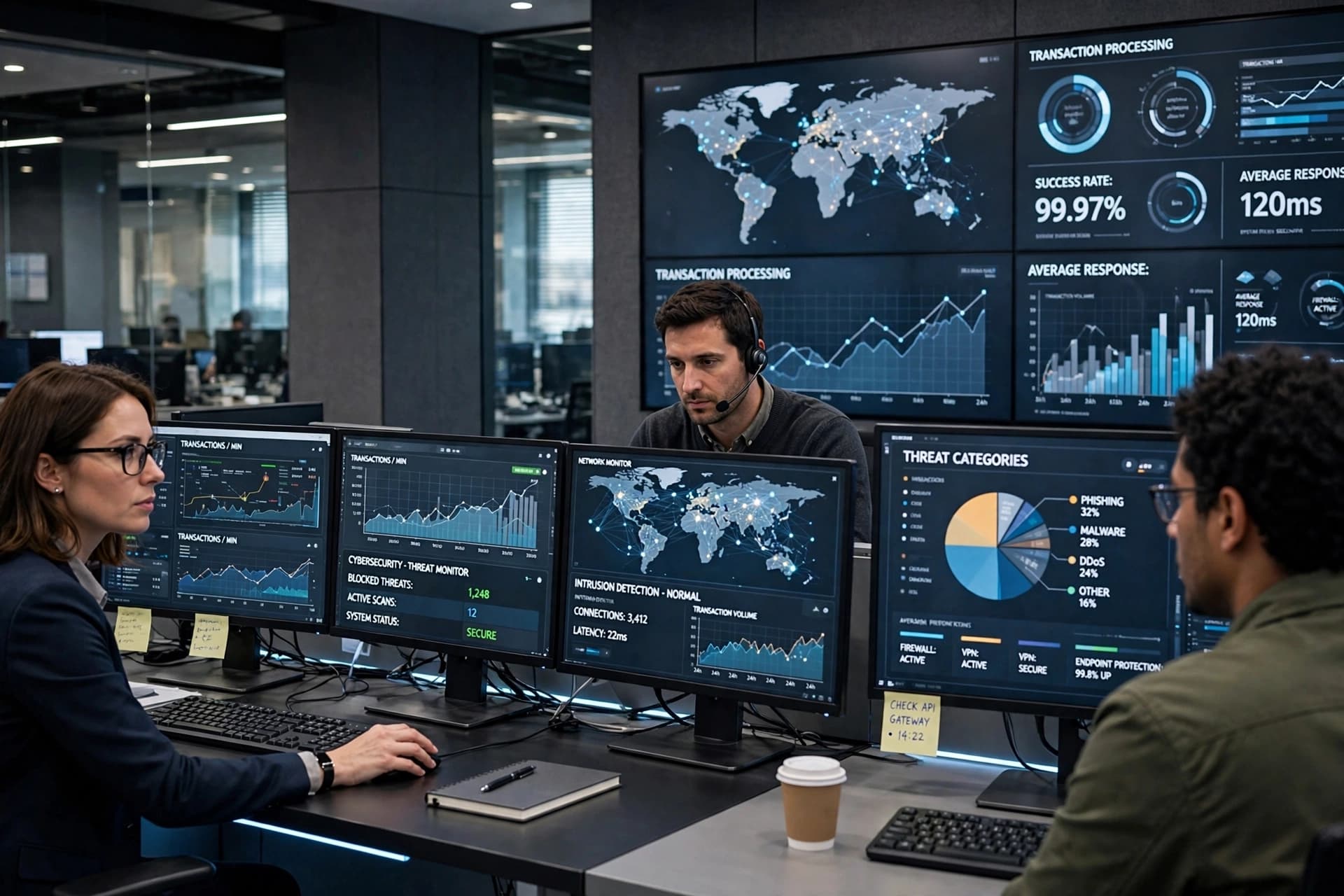
In a quiet corner of the tech landscape, where servers hum and the air smells faintly of electronics, a new chapter in AI computation is quietly unfolding. Nvidia has announced a $2 billion investment in CoreWeave, a company grappling with debt yet dreaming expansively: to add 5 gigawatts of AI compute power. It is a bold gesture, a marriage of necessity and vision, signaling the intensifying race to meet the insatiable demand of artificial intelligence.
For CoreWeave, the infusion is more than capital—it is survival and transformation entwined. The company’s existing infrastructure will expand, its networks humming with more electricity, more potential, more possibility. For Nvidia, it is both strategy and stewardship: a nod to the future where AI workloads scale faster than ever, and where influence in the compute market can define technological dominance.
But beyond the numbers and the press releases lies a subtler narrative: the tension between ambition and limitation, the dance of risk and reward in a world increasingly dependent on digital intelligence. Each new watt of AI compute is not just power, but a promise—of insights, of automation, of the next frontier in human-machine collaboration. Yet it is also a reminder of fragility: high-powered dreams require careful stewardship, lest the electricity that fuels them become a spark of vulnerability.
As data centers grow taller, wider, and hotter, the world watches the quiet revolution in its servers. Here, in the hum of machines and the glow of LED panels, the future is being computed—one gigawatt at a time.
AI Image Disclaimer
Illustrations were created using AI tools and are not real photographs.
Sources
Nvidia TechCrunch Bloomberg The Verge Reuters
Published by Banx Network. This article is part of the Banx decentralized media programme, powered by the BXE token on the XRP Ledger.