
Key Highlights
- Croatia's Adria pipeline is at a critical juncture amid energy demands.
- Hungary and Slovakia seek alternative routes for Russian oil.
- The decision carries significant political and economic implications for Croatia.
Croatia's Adriatic coast, with its serene beauty, is now the backdrop for a complex geopolitical dilemma. The Adria pipeline, a crucial energy artery that has historically linked Central Europe to the Adriatic Sea, stands at a crossroads. Recent disruptions in Russian oil deliveries through Ukraine's Druzhba pipeline have left Hungary and Slovakia scrambling for alternatives, prompting them to look southward toward Croatia. The request for transit of Russian crude through the Adria pipeline has sparked a debate that transcends mere logistics, delving into the realms of national policy and European unity.
In the wake of these developments, officials from Budapest and Bratislava have formally approached Zagreb, seeking permission to utilize the Adria pipeline for limited Russian oil deliveries. This request is not merely about energy supply; it raises fundamental questions about Croatia's role in the broader European energy landscape. While the Croatian government has expressed a willingness to assist within the confines of existing European sanctions, it is acutely aware of the implications of such a decision. The balance between aiding neighboring countries and adhering to the principles of energy independence and sustainability is delicate and fraught with potential consequences.
The Adria pipeline, constructed in the 1970s, symbolizes a shared history of cooperation among the former Yugoslav republics and Central European states. It has served as a vital link for energy transport, but the geopolitical landscape has shifted dramatically since its inception. Today, the pipeline's significance extends beyond its physical function; it embodies the tensions between national sovereignty, regional solidarity, and the pressing need for energy security. Croatia's decision will not only impact its own energy strategy but also resonate throughout Europe, influencing perceptions of unity and resilience in the face of external pressures.
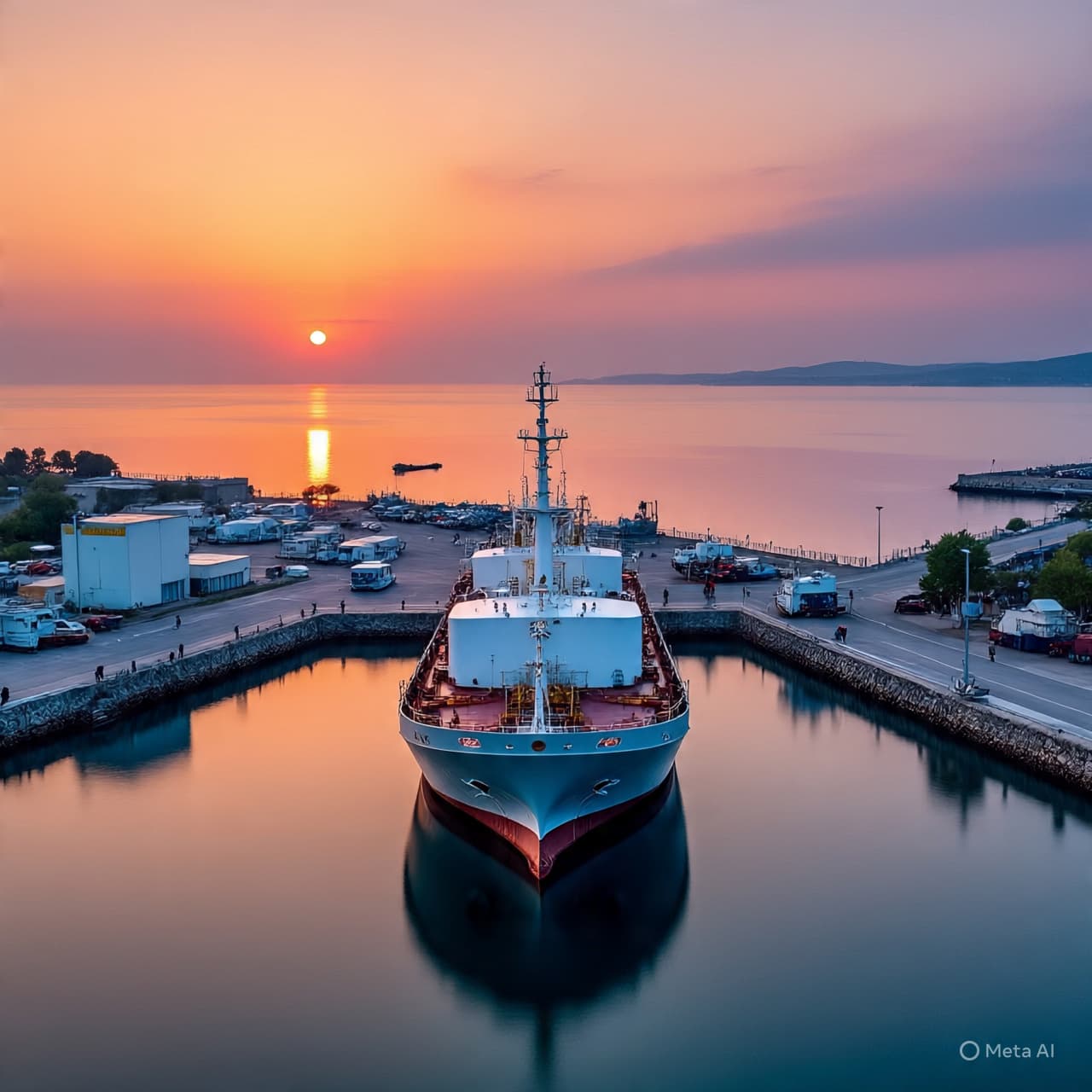
As the port of Omišalj continues its daily operations, the local populace remains largely unaware of the high-stakes discussions unfolding in government corridors. The rhythmic movements of cranes and tankers contrast sharply with the weight of the decisions being contemplated. Croatia's government is treading carefully, weighing the potential benefits of facilitating oil transit against the risks of deepening reliance on Russian energy sources, which Europe has pledged to reduce.
The anticipation surrounding Croatia's forthcoming decision is palpable. A statement from Zagreb could signal a range of outcomes: cooperation with its neighbors, a defiant stance against Russian influence, or a cautious refusal to engage further. Each possibility carries its own set of implications for regional stability and energy dynamics.
As night falls over the Adriatic, Croatia finds itself at a pivotal moment in its energy policy. The choice it faces is emblematic of broader challenges confronting Europe as it navigates the complexities of energy dependence and geopolitical realities. The future of the Adria pipeline, and by extension, the energy landscape of Central Europe, hangs in the balance, awaiting a decision that could redefine relationships and commitments across the continent.
Published by Banx Network. This article is part of the Banx decentralized media programme, powered by the BXE token on the XRP Ledger.



