
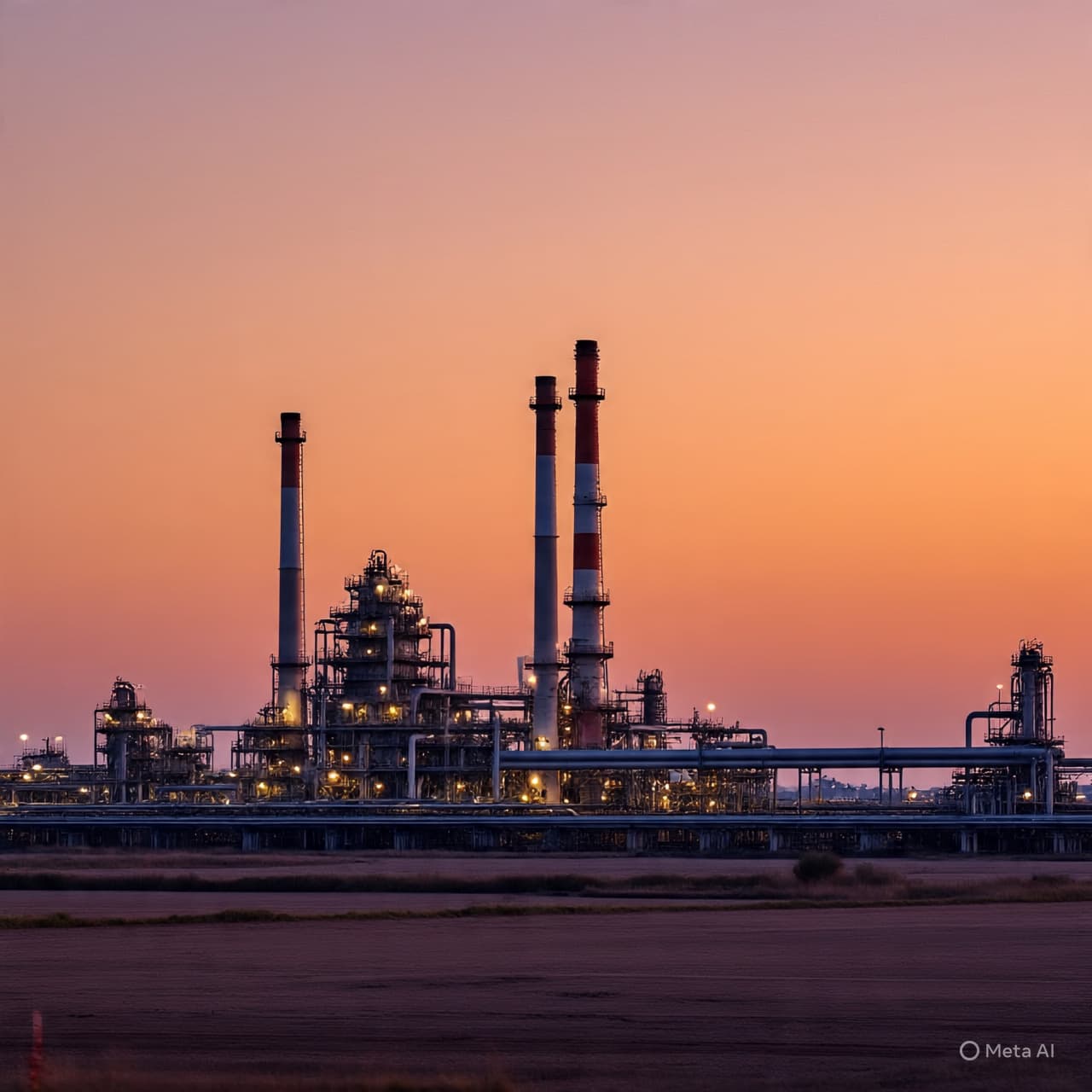
The morning light over Budapest settles with a subdued warmth, tracing the length of bridges and riverbanks as though seeking the quiet stories that move beneath the surface. Somewhere beyond the city’s reach, steel pipelines run like hidden rivers through the soil — vessels of commerce and power, carrying oil that binds nations as much as it divides them.
Hungary’s continued purchase of Russian crude has become more than an issue of trade. It stands as a symbol of a deeper tension between necessity and allegiance, between energy security and the price of connection. While much of Europe has sought to untangle itself from Russian oil since the onset of war in Ukraine, Budapest’s refineries have kept the flow alive through the southern stretch of the Druzhba pipeline. The oil that arrives is cheaper, but its cost — political and moral — is harder to measure.
Energy officials defend these imports as essential to Hungary’s stability, pointing to geography and infrastructure as limitations. Yet analysts and diplomats observe that alternatives exist — routes through Croatia or diversified refining capacities that could, with commitment, reduce dependency. What remains instead is a pattern of preference: a steady choice to keep the eastern supply open, and with it, the economic links that shadow it.
Behind the visible trade lies a quieter current — one flowing into foundations and enterprises tied to circles close to government influence. Critics suggest that wealth generated through energy profits often finds its way into networks aligned with state power, funding projects and institutions that reinforce the nation’s political center. To them, oil does not just heat homes or fuel cars; it sustains the architecture of control.
Still, the conversation within Hungary is more complex than accusation. Many citizens see the continuation of Russian oil imports as pragmatic — a matter of keeping energy affordable during inflationary strain. The tension, then, is not merely geopolitical but human: the immediate comfort of warm homes and lower prices set against the distant abstraction of war and ethics. It is a dilemma shared by nations beyond Hungary’s borders — where economic endurance and collective responsibility are not easily reconciled.
As dusk returns to the Danube, the refineries hum on, and the rhythm of industry blends with the city’s calm. The pipelines, buried beneath farmland and forest, carry more than oil; they carry a reflection of how power moves in quiet ways — unseen, unbroken, and deeply human. What flows beneath Hungary’s soil is not only energy but the unspoken measure of choice, the weight of how nations define their place between survival and solidarity.
AI Image Disclaimer Illustrations were created using AI tools and serve as conceptual representations.
Published by Banx Network. This article is part of the Banx decentralized media programme, powered by the BXE token on the XRP Ledger.



