The winter light along Canada’s expanse falls long and gentle, touching the forests and lakes of the vast North with a quiet calm that seems almost indifferent to the wider tides of global unrest. Yet beyond this tranquil surface — in the hum of conversation among policy makers, in the cadence of mechanics in distant bases, in the ebb and flow of recruits through training grounds — there is a sense of motion underfoot, a quiet reckoning with what it means to safeguard a nation in uncertain times. The lives of those in uniform, and those who might one day wear it, have become part of a broader reflection about choices and priorities, about how a country translates its values into capabilities that can stand against rising geopolitical pressures.
For decades, the Canadian Armed Forces have been seen as a symbol of steadfast participation — part of alliances, part of peacekeeping missions, part of a larger circle of cooperative defense. But this role, long gradual in its evolution, now finds itself at a crossroads. Geopolitical strife in distant regions, the strain of long‑running conflicts in Europe and beyond, and the persistent march of technological change have all converged to cast Canada’s military posture in a new light. The question is no longer simply whether to invest more, but how to transform an institution burdened by outdated equipment, personnel gaps, and structural challenges into one capable of responding to the multifaceted threats of today and tomorrow.
In discussions among defense analysts and military leaders, the contours of these challenges emerge with a clarity that belies their complexity. Years of underinvestment have left notable gaps in capabilities — from aging platforms to procurement systems that are slow and risk‑averse — even as defence commitments widen and the expectations of allies remain robust. Recruitment and retention, too, have weighed heavily on conversations about reform. Though recent data suggests a marked increase in enlistment and a 10‑year high in new recruits, the forces remain short of their full authorized strength, and the systems designed to sustain and train these new members lag behind the urgency of the moment.
Beyond personnel lies the challenge of infrastructure and quality of life for those who serve. Military families, often moving across provinces at short notice, find themselves navigating housing shortages, fractured access to healthcare, and challenges in maintaining employment and stability. These pressures ripple outward, shaping not only morale and retention, but the lived texture of what it means to serve at a time when Canada’s armed forces are expected to stand ready across vast stretches of territory and in far‑flung operations.
There is also the question of strategic priorities, tightly woven into the fabric of broader alliances. Canada’s commitments within NATO and other multinational efforts reflect a desire to maintain a credible defense posture, yet they come with the implicit demand that Ottawa align its spending and modernization efforts with evolving expectations. Progress has been made — with ambitious multi‑billion dollar budget proposals to rebuild, rearm, and reinvest in defence infrastructure, recruitment, and capabilities — but such plans invariably carry with them the weight of choices about where to allocate limited resources and how to balance immediate needs with long‑term vision.
In this reflective space, it becomes clear that rebuilding the Canadian Armed Forces is not simply a matter of funding, but of reimagining the relationship between a society and its defenses. It involves threading together the human elements of service with the technical demands of modern warfare, ensuring that infrastructure and support systems — from cyber units to naval command structures — are capable of meeting both contemporary and emerging threats. And it requires Canada to find its own voice within a constellation of allies, asserting a defense identity that resonates with its values while remaining practical in its application.
In straight news language, Canada is confronting difficult decisions as it seeks to rebuild and modernize its armed forces against a backdrop of rising geopolitical tensions and long‑standing structural challenges. Experts and officials have noted that increased defence spending must be paired with reforms in recruitment, retention, procurement, and infrastructure to ensure operational effectiveness. The federal government has proposed substantial budget commitments for the Canadian Armed Forces across multiple areas including personnel, equipment, and digital infrastructure, while addressing gaps in capabilities and broader strategic priorities.
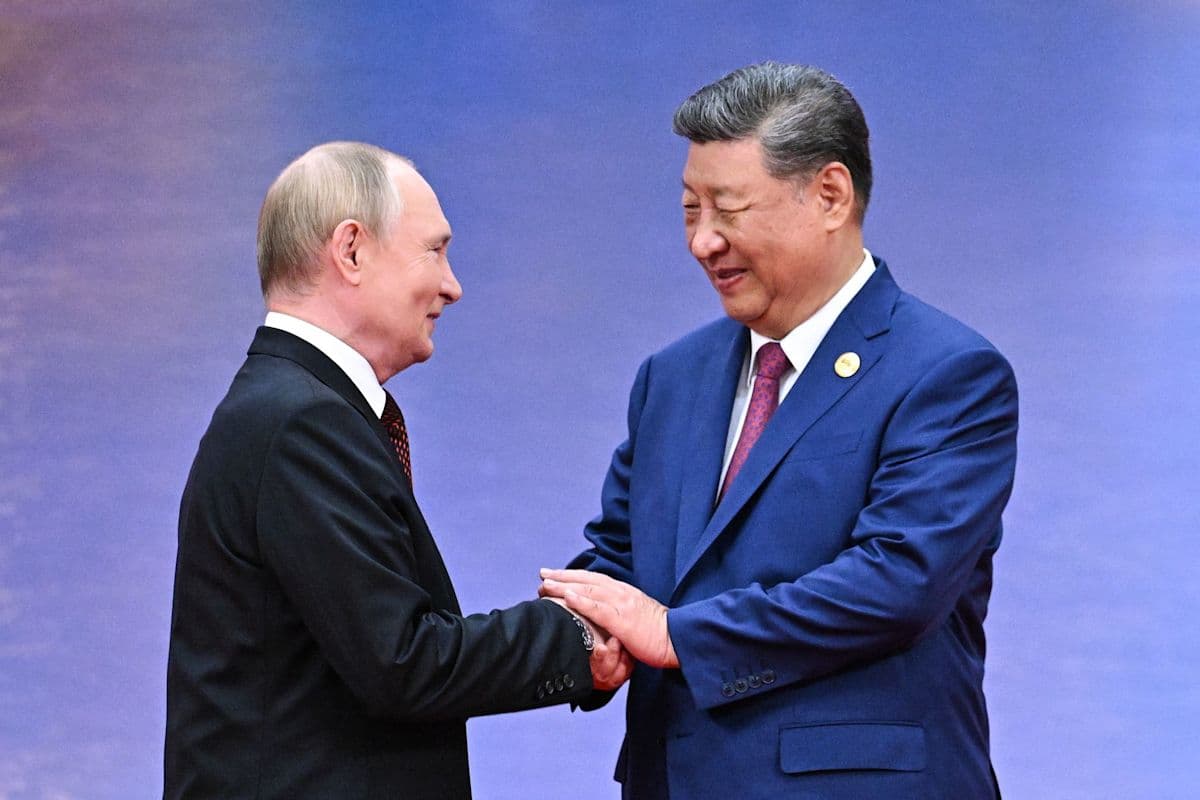
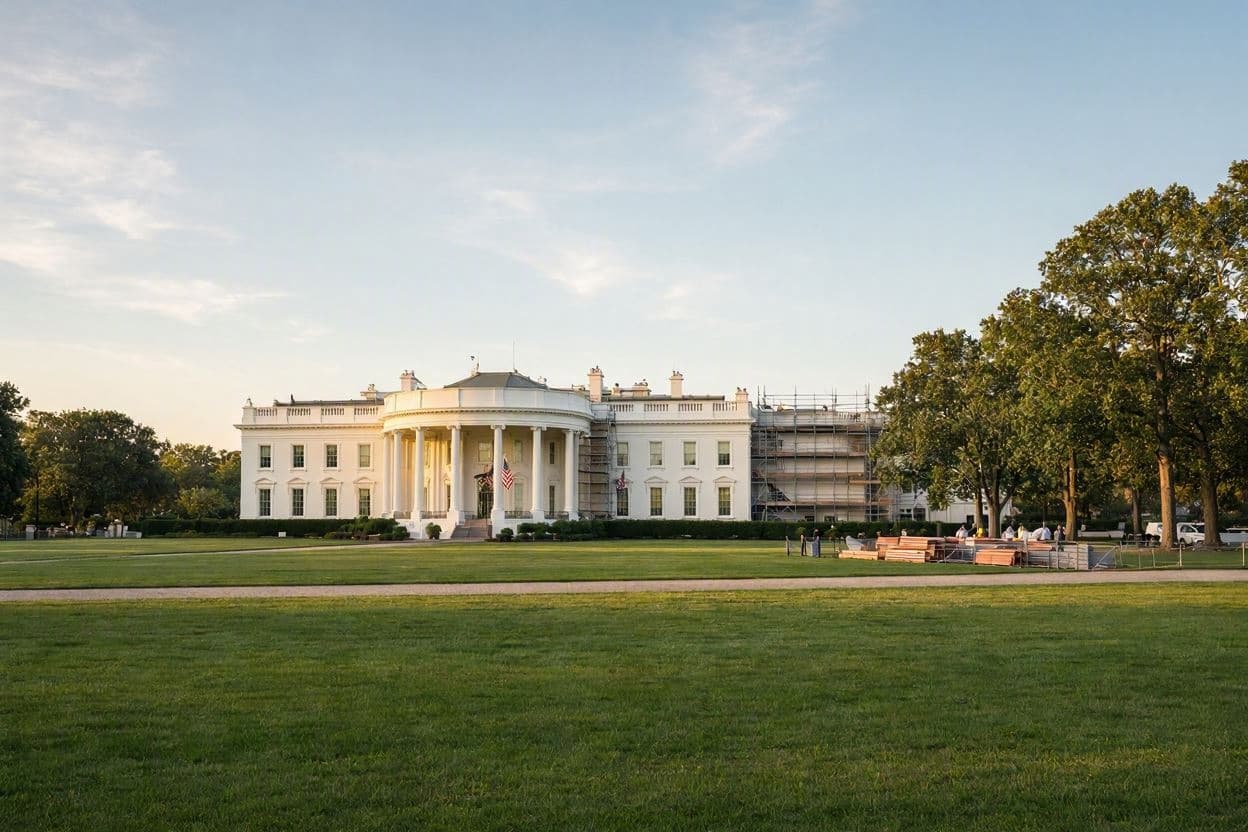
AI Image Disclaimer
Illustrations were created using AI tools and serve as conceptual representations.
Sources (Media Names Only)
Daily Times Canadian Defence Academy Institute (as reported) Government of Canada reports
Published by Banx Network. This article is part of the Banx decentralized media programme, powered by the BXE token on the XRP Ledger.