In a quiet laboratory, where light is guided through etched channels in silicon, researchers have achieved a subtle but pivotal milestone: the realization of a three-qubit quantum register within a silicon photonic chip. This advance marks a step forward in the effort to harness quantum information using light and integrated circuits, blending physics, engineering, and computation in a single, compact platform.
Qubits, the fundamental units of quantum computing, differ from classical bits in their ability to exist in superposition, representing multiple states simultaneously. By encoding three qubits in a photonic chip, scientists can manipulate quantum states with unprecedented precision, using photons guided through silicon pathways to maintain coherence and perform basic quantum operations. This represents both a proof-of-concept and a foundation for scaling up more complex quantum systems.
The use of silicon photonics is particularly promising because it leverages existing semiconductor fabrication techniques, potentially allowing quantum chips to be produced at scale. Photons, unlike electrons, are less susceptible to thermal noise, making them ideal carriers of quantum information. In this experiment, the three-qubit register demonstrates entanglement and controlled operations, offering a glimpse of how integrated photonic devices could form the backbone of future quantum computers.
While three qubits remain modest by computational standards, their successful realization in a photonic platform is significant. It validates design principles, guides error-correction strategies, and informs how larger arrays might be constructed. The work bridges fundamental quantum physics and practical engineering, highlighting the interplay between theory, materials science, and information technology.
In practical terms, scientists have successfully created a three-qubit quantum register within a silicon photonic chip, demonstrating controlled quantum operations and entanglement. This development opens a pathway toward scalable, light-based quantum computing using semiconductor-compatible technologies.
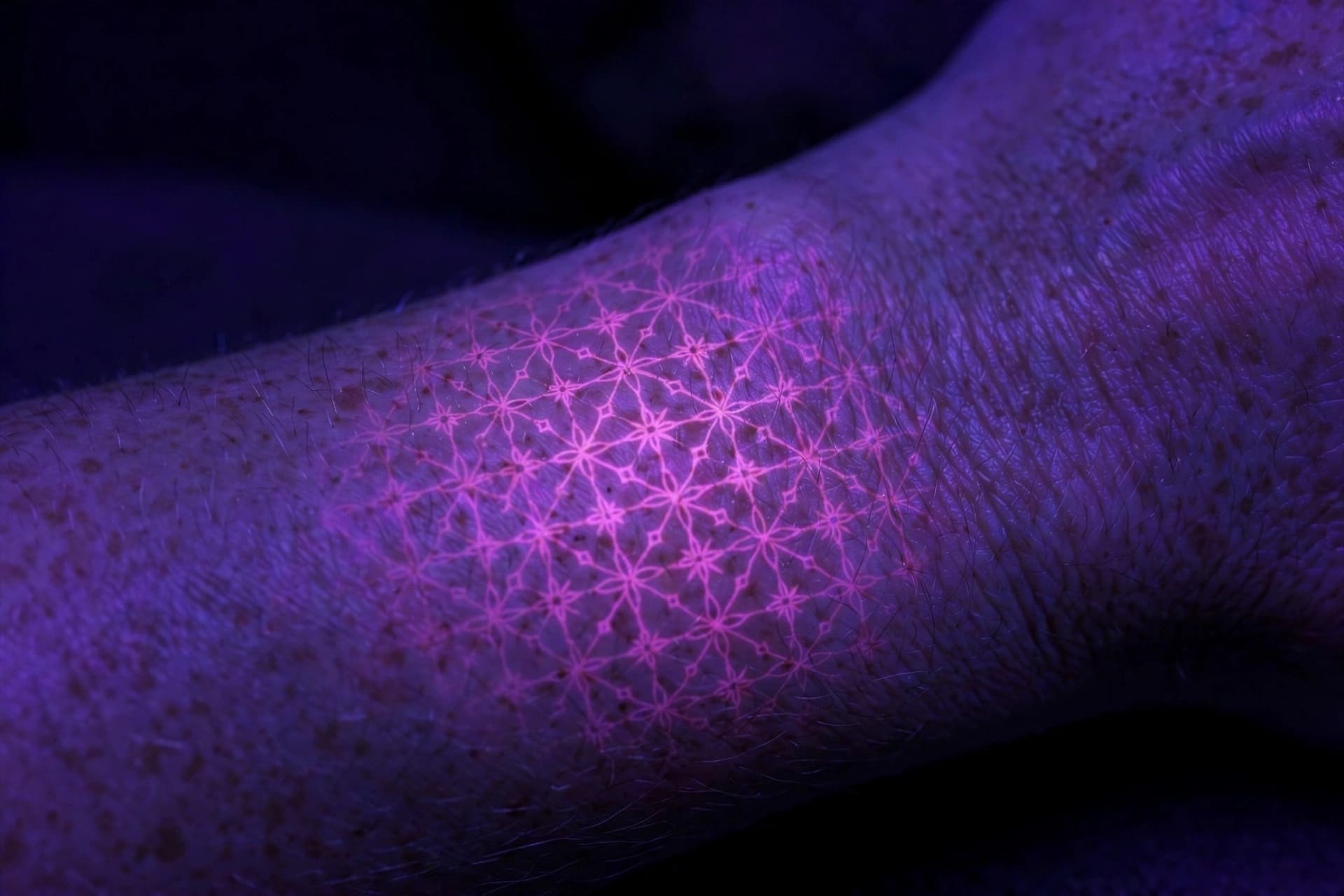
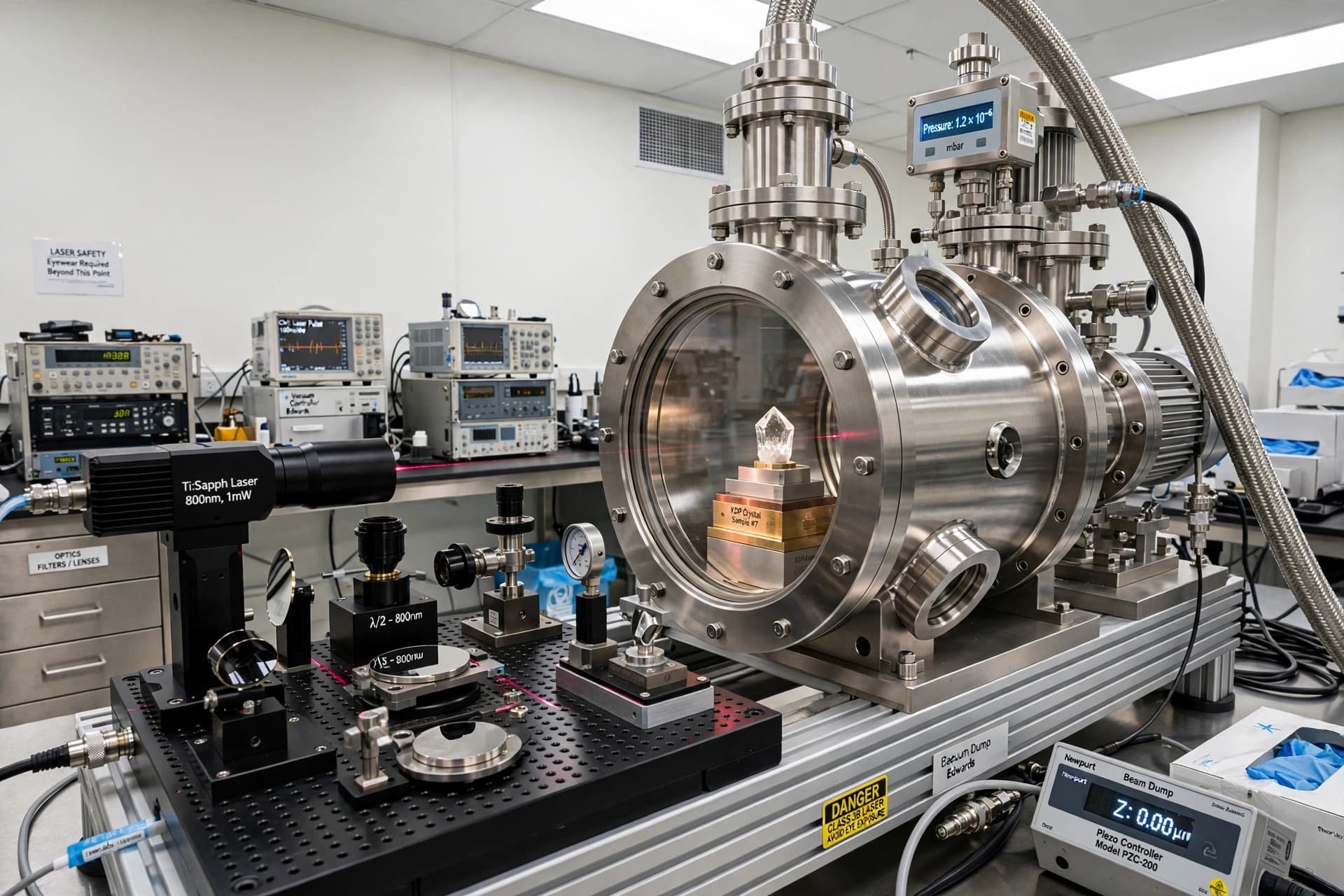
AI Image Disclaimer Visuals are AI-generated and serve as conceptual representations.
Sources (names only) Nature Science Physics Today Scientific American The Verge
Published by Banx Network. This article is part of the Banx decentralized media programme, powered by the BXE token on the XRP Ledger.