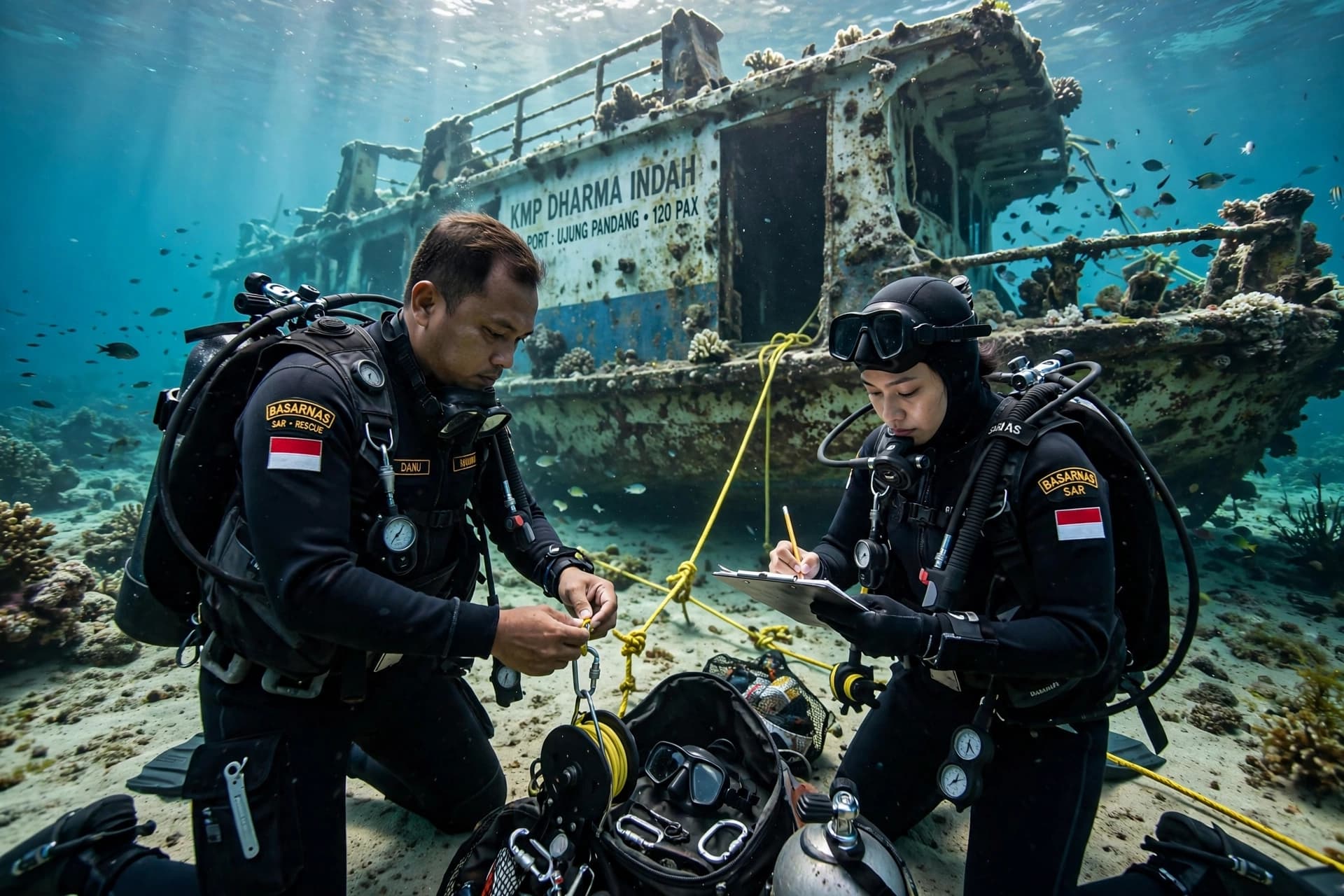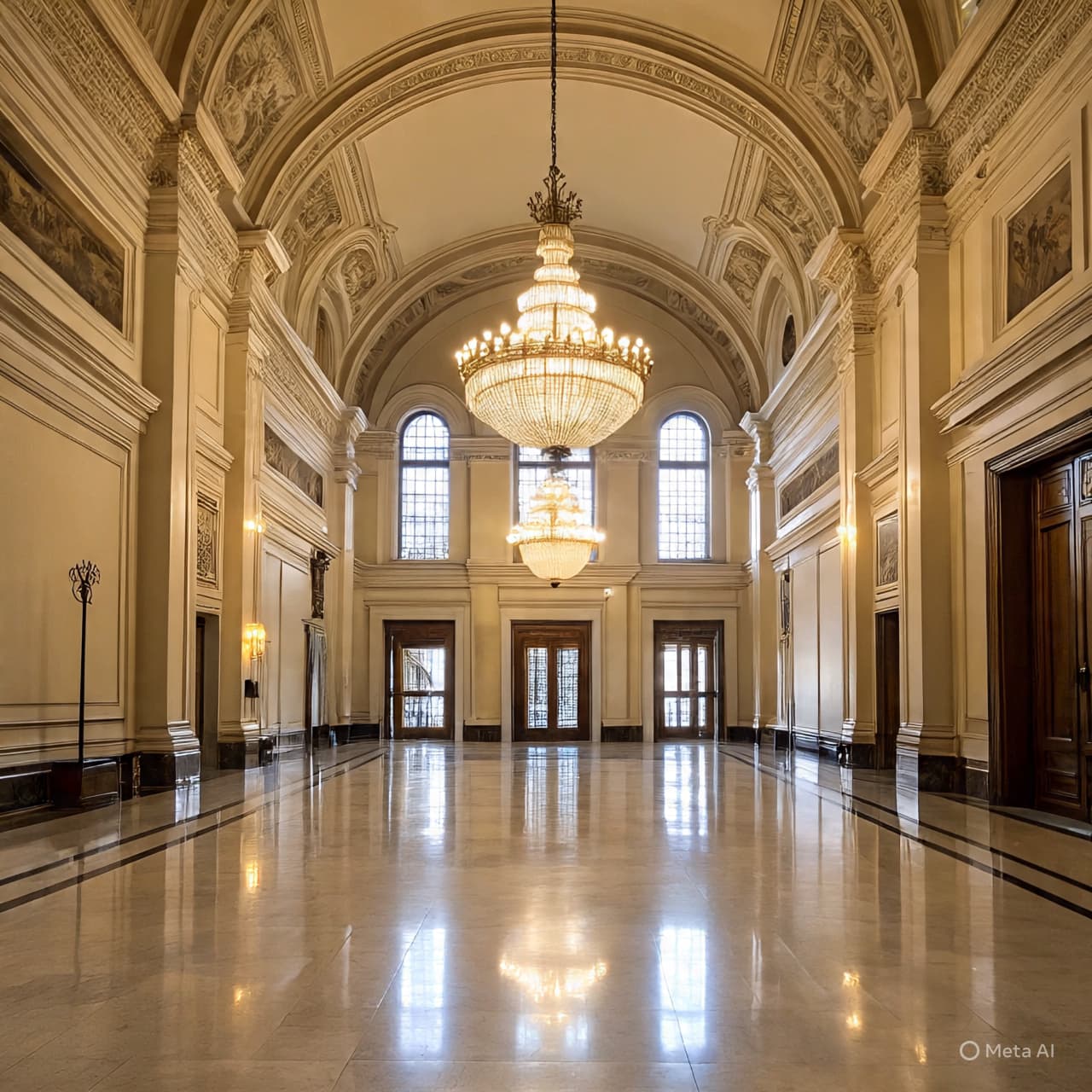
In the still warmth of a Florida afternoon, the breeze carries a faint salt scent from the sea and the distant murmur of conversation from shaded terraces. Here, where palm fronds trace slow arcs in the sun, leisure and politics have learned to share the same table. Donald Trump’s resorts — once symbols of private luxury — have become, in the eyes of many observers, extensions of his political life, places where access, influence, and allegiance intertwine beneath the calm veneer of hospitality.
The pattern is neither sudden nor subtle. Over years of public prominence, Trump’s business holdings — hotels, golf clubs, and private estates — have remained inseparable from his political persona. Since his return to office, these properties have again drawn officials, donors, and foreign envoys into their orbit. Events once meant for guests and vacationers now double as backdrops for political gatherings and fundraising dinners. In this overlapping space, the boundaries between private enterprise and public office have softened into something almost indistinguishable.
At Mar-a-Lago, his oceanfront estate in Palm Beach, the movement of politics is constant yet unhurried. Courtyards fill with conversations that bridge diplomacy and deal-making. Photographs from recent months show members of Congress, campaign donors, and foreign representatives gathered in quiet circles beneath golden chandeliers or along marble corridors. Each meeting appears, at first glance, ordinary — a dinner, a greeting, a handshake — yet together they form a portrait of proximity: how presence itself has become a form of currency.
Critics have long argued that such proximity risks blurring ethical lines, allowing influence to move through pathways of privilege rather than process. Supporters counter that the openness of these settings reflects a distinctive, informal approach to governance — one that invites rather than conceals. What is undeniable, however, is that the resorts have become symbolic spaces where the pulse of American politics beats beyond Washington’s marble halls.
Financial filings reveal that millions of dollars in campaign and committee spending have flowed toward events held at Trump-owned venues. Membership fees at his clubs have risen sharply, while the guest lists grow ever more politically familiar. Observers describe a system that mirrors the architecture around it — ornate, polished, and built upon networks of access.
And yet, amid these currents of influence, there remains an almost cinematic stillness. The waves roll against the shoreline; the resort gates open and close. Waiters move quietly through rooms filled with soft laughter and ambition. For all the grandeur, what lingers is not spectacle but pattern — the slow normalization of a private empire serving public ends.
As dusk settles over Palm Beach, the lights of Mar-a-Lago glow against the horizon like a promise and a reminder: that in the modern age, politics no longer needs the corridors of government to find its center. Sometimes, it lives instead within the polished calm of a resort — where the language of power is spoken not in speeches, but in proximity.
AI Image Disclaimer Illustrations were created using AI tools and are not real photographs.
Sources (Media Names Only) The Guardian Reuters Associated Press BBC News CREW (Citizens for Responsibility and Ethics in Washington)
Published by Banx Network. This article is part of the Banx decentralized media programme, powered by the BXE token on the XRP Ledger.