
Key Highlights
- Ongoing struggle in Guatemalan prisons against gang influence.
- State interventions aim to reclaim control and restore order.
- Public sentiment reflects hope mixed with caution regarding reforms.
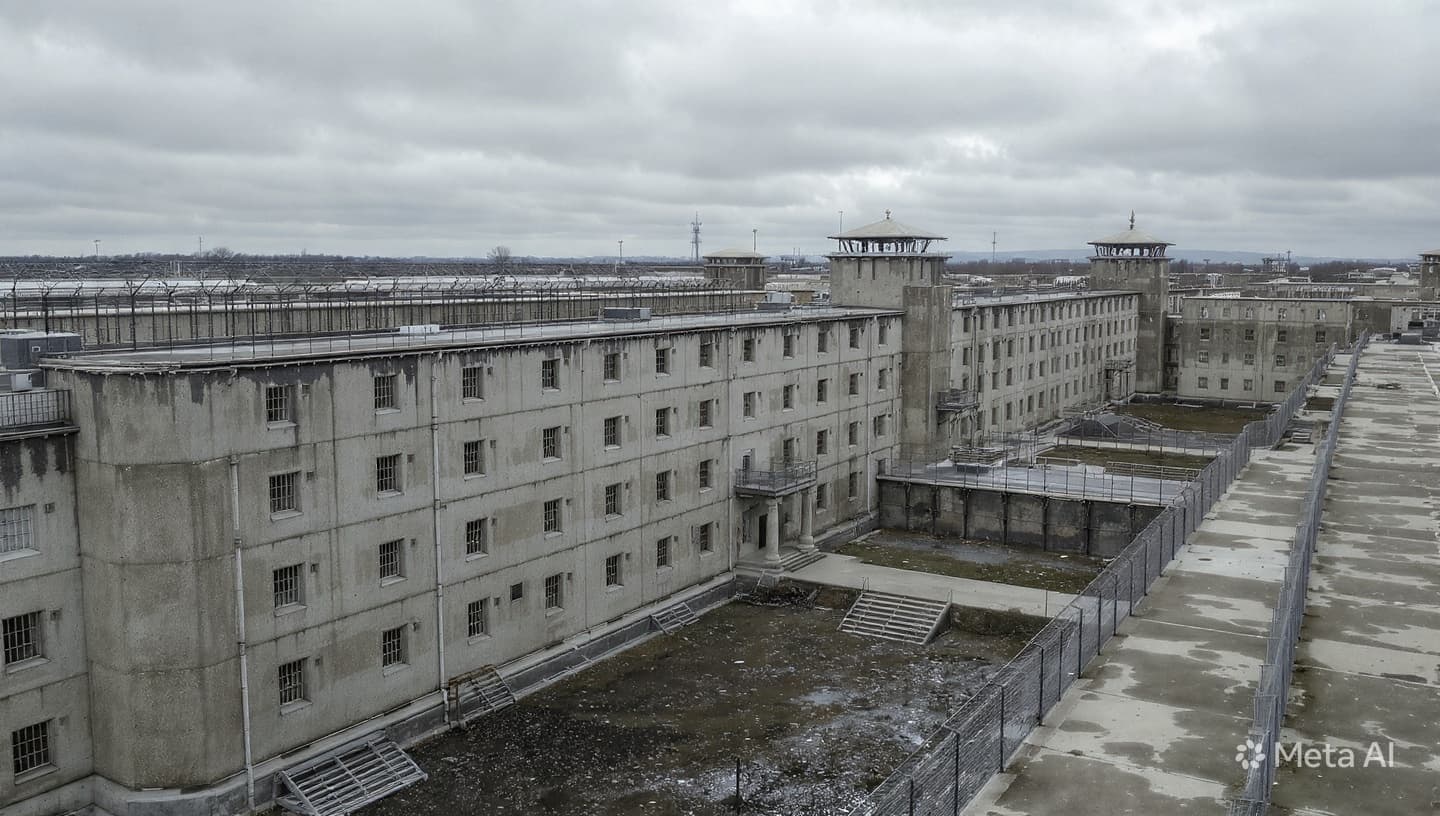
The high concrete walls of detention facilities in Guatemala encapsulate a profound stillness, masking the volatile dynamics within. For years, these spaces have been battlegrounds for power, often swayed by armed gangs that have turned prisons into extensions of their street operations. Authorities' attempts to neutralize these internal power structures represent a tactical and symbolic struggle, defining who holds authority within the state’s borders.
Observing the efforts to reclaim these facilities reveals a delicate operation of deconstruction. Gangs have established a deep-rooted presence, using prisons to coordinate and solidify their influence. The state’s intervention is not merely about restoring order; it challenges the legitimacy of these criminal networks, refusing to allow the state’s apparatus to become a tool for further instability.
The complexity of these interventions cannot be overstated. Each operation to neutralize armed groups within prison walls is a high-stakes encounter, requiring careful management of human lives and security amidst the persistent threat of retaliation. The atmosphere during these operations is one of intense focus, where the goal is to dismantle control without triggering the violence that the intervention seeks to extinguish. This slow, methodical process demands precision that is often overlooked in media coverage.
Observers note that instability within prisons reflects the strength of gangs outside. As the state makes progress in reclaiming control, it often faces violent responses from the streets. This cycle illustrates the interconnectedness of the challenge, where the prison is no longer an isolated entity but part of a larger, more dangerous puzzle.
Within the administration, discussions have shifted toward a comprehensive strategy. There is recognition that merely seizing control is a temporary fix; long-term solutions require thorough reform of facility management and protection from external influences. This involves not only removing gang command structures but also modernizing and training personnel to ensure that guards remain stronger than prisoners.
Public sentiment regarding these efforts is mixed, characterized by hope and caution. There is a deep weariness about the instability that has long plagued the correctional system. Reports of successful interventions are seen as necessary, albeit overdue. However, concerns linger about the sustainability of these gains, with many questioning whether the gangs' influence can be eradicated in a single stroke.
As the government continues its efforts to neutralize internal threats, the focus remains on gradually restoring a standard operational model. This process aims to pave the way for a future where the rule of law defines the prison experience. It is a challenging road, marked by incremental steps rather than dramatic breakthroughs, yet it is essential for the nation’s broader security agenda.
Ultimately, the battle for control of prisons is a battle for the integrity of the state itself. By reclaiming these spaces, authorities assert their ability to govern under the most challenging conditions. The stabilization process reflects a nation willing to confront its challenges, moving toward a more secure, regulated, and law-abiding internal landscape for all.
Published by Banx Network. This article is part of the Banx decentralized media programme, powered by the BXE token on the XRP Ledger.



