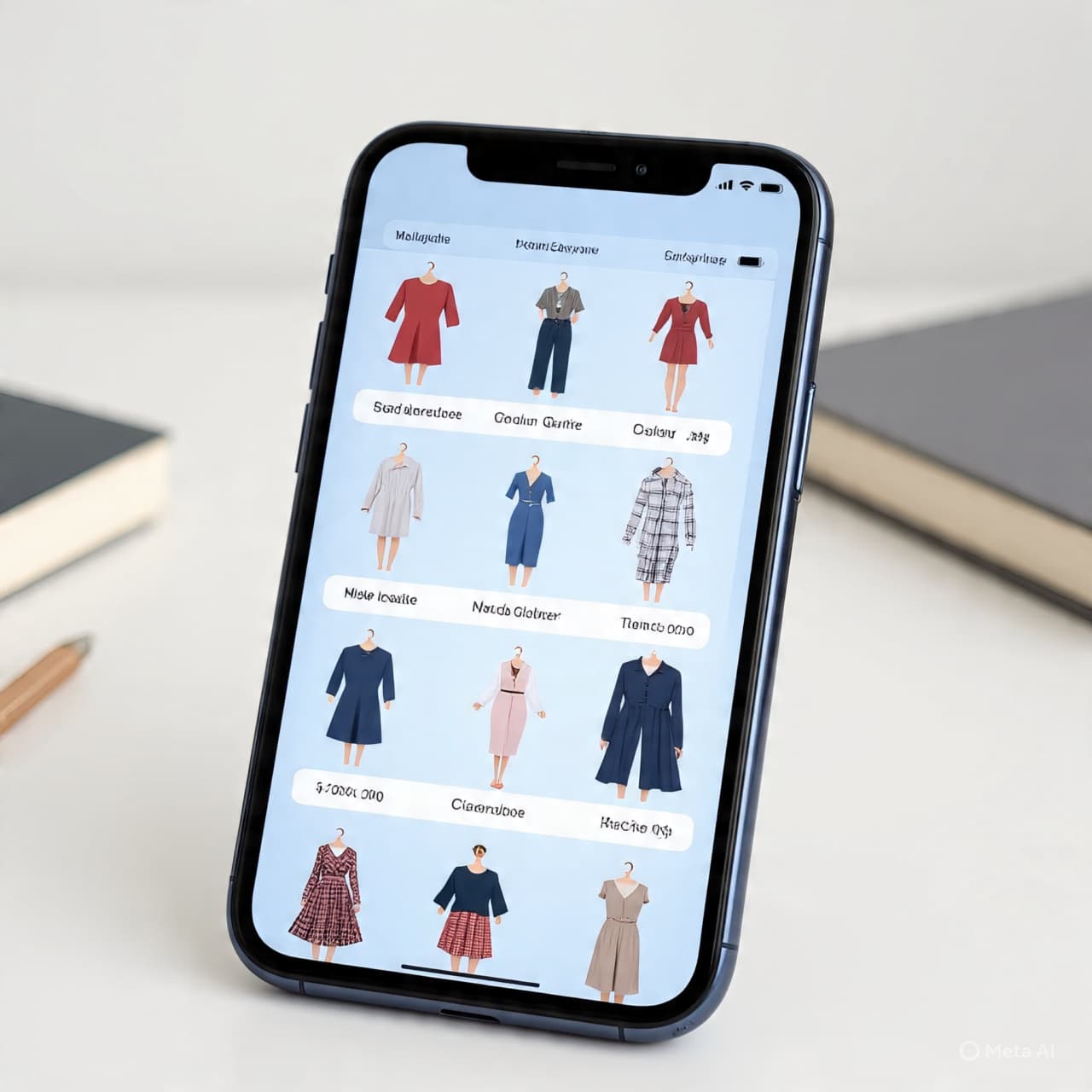
There was a time when secondhand shopping carried a certain lightness—an unhurried wandering through racks and shelves, where discovery felt accidental and price tags rarely interrupted the moment. It was a quiet exchange between past and present, where objects moved on without much resistance.
Now, that ease feels slightly altered.
Across New Zealand, the resale market is growing, shaped by shifting habits and changing priorities. What was once a niche practice has become more central, drawing in shoppers not only for affordability, but for sustainability, individuality, and a sense of mindful consumption. The idea of giving something a second life has found wider appeal, carried forward by both necessity and intention.
But as more people arrive, the landscape begins to change.
Demand has risen steadily, and with it, competition. Items that might once have lingered unnoticed are now claimed quickly, sometimes within moments of appearing online or on a shop floor. The act of browsing becomes more deliberate, more attentive—less about chance, and more about timing.
Prices, too, have begun to shift. While secondhand goods often remain cheaper than new alternatives, the margin has narrowed in some cases. Popular brands, curated selections, and well-preserved pieces can command higher prices, reflecting not only their condition but the demand surrounding them. What was once uniformly inexpensive now carries a wider range, from modest bargains to items priced closer to retail.
Online platforms play a significant role in this transformation. Digital marketplaces have expanded access, allowing sellers to reach broader audiences and buyers to search more precisely. Yet this convenience introduces its own dynamics: listings move quickly, algorithms shape visibility, and the sense of local discovery gives way to a more competitive, sometimes fleeting experience.
At the same time, traditional secondhand stores continue to operate within this evolving environment. Many have seen increased foot traffic, while also navigating supply challenges. As more people choose to hold onto items longer or resell them directly online, the flow of donations can fluctuate, affecting what appears on the racks.
For shoppers, the experience becomes a balance between opportunity and effort. There are still moments of discovery—the unexpected find, the piece that feels just right—but they may require more time, more searching, and a willingness to adapt.
Underlying these changes is a broader economic context. Rising living costs encourage more people to seek alternatives to full-priced retail, while environmental awareness reinforces the appeal of reuse. Together, these forces sustain the growth of the resale market, even as they reshape its character.
The result is not a loss of secondhand shopping’s appeal, but a subtle shift in its rhythm. What was once defined by abundance and ease now carries elements of scarcity and attentiveness. The search continues, but it unfolds differently.
New Zealand’s resale market is expanding as more consumers turn to secondhand goods for affordability and sustainability, though increased demand, rising prices, and supply constraints are making it more competitive and, at times, harder to navigate.
AI Image Disclaimer
Illustrations were created using AI tools and are not real photographs.
Sources
The New Zealand Herald Stuff Radio New Zealand Interest.co.nz BusinessDesk
Published by Banx Network. This article is part of the Banx decentralized media programme, powered by the BXE token on the XRP Ledger.