
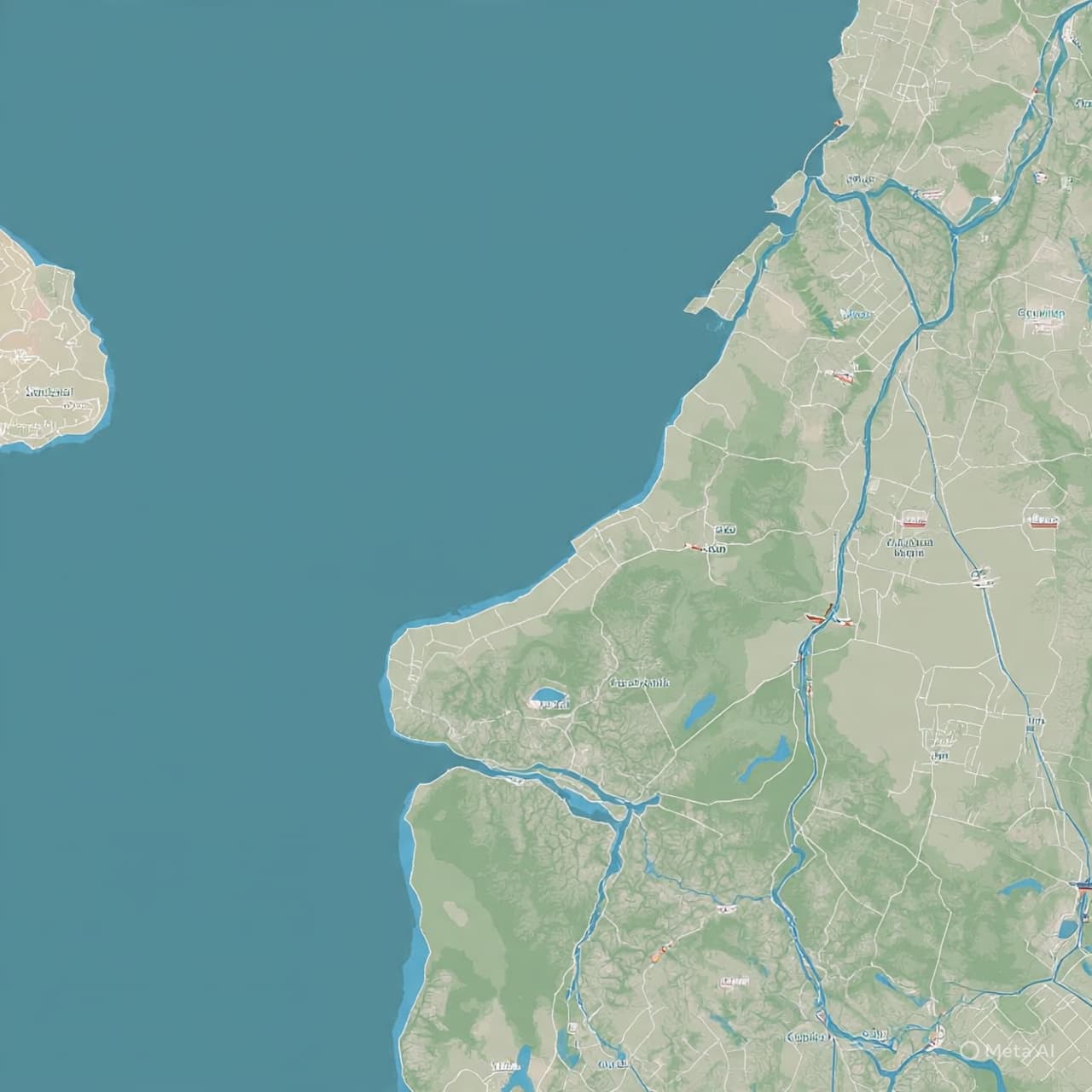
Key Highlights
- Recent missile strikes by Iran have targeted oil tankers in the Gulf of Oman.
- The attacks have raised significant concerns over maritime security in the Strait of Hormuz.
- Shipping firms are altering routes and reassessing risks due to the escalating tensions.
[Recent Escalation in the Gulf of Oman]
At first light, the Gulf of Oman often appears almost translucent — a pale expanse where cargo vessels trace deliberate paths between continents. The sea here is not merely water but a corridor, a moving bridge between producers and consumers, between distant ports that rarely see one another yet remain bound by trade.
This week, that corridor flickered with fire. Iranian forces launched a series of missile and drone strikes across waters stretching from the Gulf of Oman toward the Strait of Hormuz, in what regional officials described as one of the broadest maritime escalations in recent months. Among the vessels hit was a tanker identified by maritime tracking firms as part of a so-called “shadow fleet,” ships often used to transport sanctioned oil under complex ownership structures. The strike left the vessel damaged and ablaze before emergency crews evacuated those on board.
[Impact on Global Oil Supply]
The Gulf of Oman, opening into the narrow artery of the Strait of Hormuz, carries a significant share of the world’s seaborne oil. Under ordinary conditions, tankers move in steady sequence through carefully monitored lanes. When explosions interrupt that rhythm, the disruption travels far beyond the immediate plume of smoke. Insurers reassess risk. Shipping firms alter routes. Energy markets absorb the tremor.
Iran’s actions follow heightened regional hostilities and exchanges involving Israeli and U.S. forces. Iranian officials have framed recent strikes as retaliation and deterrence. Critics, including Western governments, have described the attacks as indiscriminate, warning that commercial shipping has become entangled in broader military confrontation.
[Maritime Operations in Crisis]
On the decks of tankers crossing these waters, crews come from many nations — engineers and navigators accustomed to routine calculations of wind, draft, and fuel consumption. A missile strike collapses that routine into seconds. Lifeboats lower. Distress calls move across radio frequencies. What was once a predictable passage becomes a scene of evacuation.
Coastal authorities in nearby Gulf states reported injuries among crew members and confirmed that maritime patrols responded to assist. Satellite imagery circulated by analysts showed smoke trailing above open water, an image that felt at once isolated and globally consequential. For ports awaiting deliveries and refineries planning throughput, uncertainty becomes a logistical variable.
[The Broader Implications]
The language of “shadow fleets” and sanctions often feels technical, buried in trade bulletins and policy papers. Yet when such a vessel is struck, the abstraction dissolves. It becomes steel and flame, human lives at sea, and the fragile balance of commerce that depends on narrow straits remaining open.
Diplomatic efforts are underway to prevent further escalation, but shipping advisories have already shifted. Some operators have paused transits through the most exposed routes. Others continue under heightened alert, calculating risk against necessity.
In direct terms, Iran has conducted missile and drone strikes across the Gulf of Oman, including an attack on a tanker identified as part of a sanctions-linked “shadow fleet.” The incident has raised concerns about the security of maritime traffic through the Strait of Hormuz and the stability of global energy shipments. The situation remains fluid as regional tensions persist.
Published by Banx Network. This article is part of the Banx decentralized media programme, powered by the BXE token on the XRP Ledger.



