
Key Highlights
- India’s Coast Guard intercepted three U.S.-sanctioned tankers linked to Iran.
- The seizures occurred about 100 nautical miles west of Mumbai.
- This action reflects India’s evolving maritime enforcement strategy amid closer ties with the U.S.
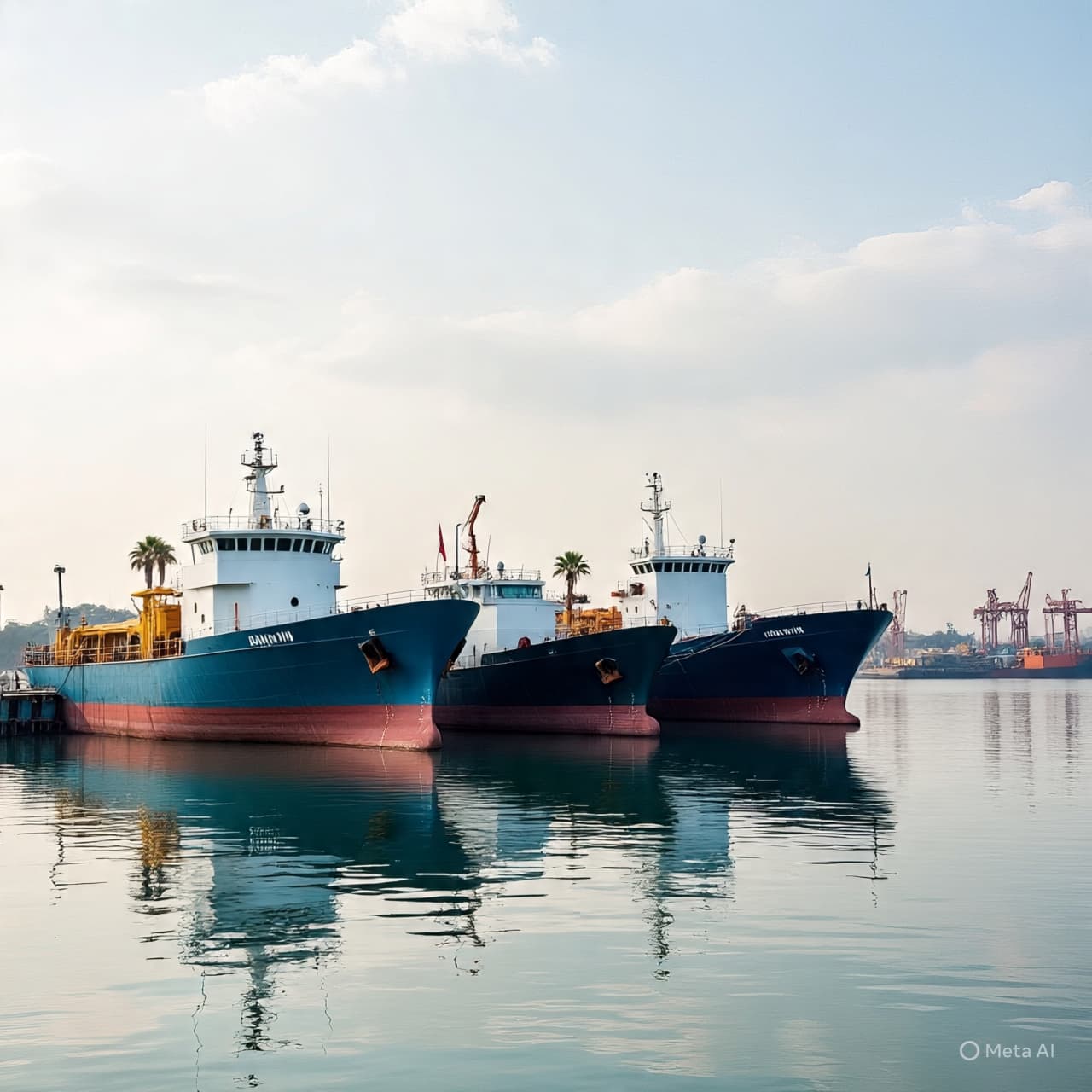
In the early brush of morning light along the Arabian Sea, where fishing boats slip quietly across calm waves and distant tankers scrape horizons, something unusual stirred beneath the gentle blue. Three steel giants — laden with crude and burdened with global politics — were drawn into India’s maritime grip. They were no ordinary vessels, but ships once sanctioned by distant powers, now intercepted and held by India’s Coast Guard as a new chapter unfolds in the subtle realignment of trade, diplomacy, and enforcement.
For years, the world’s oceans have served as thoroughfares for goods and ideas alike, but they have also become routes for those seeking to circumvent international sanctions on energy exports. Known in industry parlance as part of the “shadow fleet,” these tankers slip through regulatory nets by changing identities at sea, obscuring ownership, and engaging in ship-to-ship transfers that make tracing cargo origins a complex task.
Earlier this month, India’s Coast Guard intercepted three such vessels — the Stellar Ruby, Asphalt Star, and Al Jafzia — about 100 nautical miles west of Mumbai, escorting them to port for further investigation. All three were previously sanctioned by the U.S. Treasury for alleged involvement in transporting oil contrary to sanctions, with at least two linked to Iranian crude movements.
To many observers, the timing of the seizures carries an unmistakable narrative thread. Just as New Delhi and Washington have worked toward a trade thaw — with tariff reductions on Indian imports and cooperation on broader economic and security fronts — this maritime action signals India’s willingness to align more closely with international enforcement norms.
From a deeper vantage, this moment is as much about diplomatic choreography as it is about naval strategy. India has long balanced its energy needs, its non-aligned foreign policy traditions, and its growing partnership with the United States. The seizure of these tankers reflects a subtle repositioning — one in which India asserts its own agency while also responding to shared concerns over sanctioned oil flows.
And yet, even as authorities scrutinize paperwork and consult legal briefs in Mumbai, the world watches with guarded interest. The seas are not just physical expanses but arenas where law, commerce, and national interests meet. In this space, every intercepted ship and every revised tariff becomes a part of a larger story — one that charts the evolving shape of global cooperation and caution alike.
Published by Banx Network. This article is part of the Banx decentralized media programme, powered by the BXE token on the XRP Ledger.



