
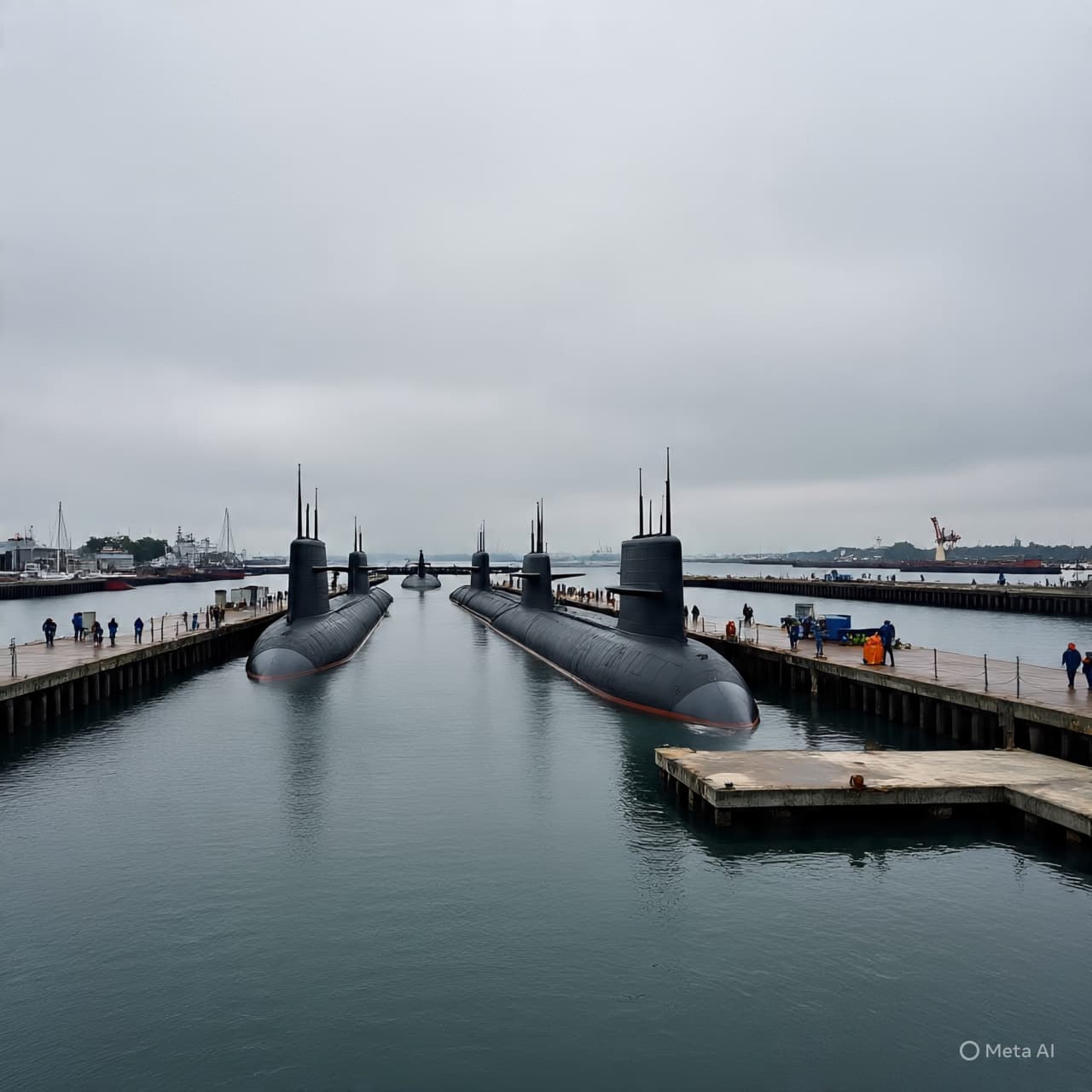
Key Highlights
- Canada plans to replace its aging Victoria-class submarines with up to a dozen modern patrol submarines.
- South Korea is positioning itself as a key partner in this procurement, emphasizing technology transfer and local production.
- The evaluation process remains competitive, with European manufacturers also in the running.
In the bustling shipyards of Geoje, South Korea, the late winter sun casts long shadows over the steel plates that will soon become vessels of the sea. This industrial hub, alive with the sounds of cranes and the scent of saltwater, is not just a place of construction; it is a focal point for international defense discussions. At the heart of these conversations is Canada’s ambitious plan to modernize its naval capabilities by replacing its aging fleet of Victoria-class submarines with up to a dozen state-of-the-art patrol submarines.
This procurement initiative represents one of the most significant defense projects in Canada’s recent history, with implications that extend beyond mere hardware acquisition. South Korea, with its robust maritime industry, has mobilized a comprehensive strategy to secure this contract, viewing it as an opportunity to deepen bilateral ties with Canada. The South Korean government has coordinated efforts across various sectors, including diplomacy and industrial leadership, to present a compelling case for its submarine offerings.
Central to South Korea’s proposal is the KSS-III class submarine, a vessel already in service with the Republic of Korea Navy. This submarine is not only technologically advanced but also comes with promises of technology transfer and local production partnerships. South Korean representatives have emphasized that Canadian industry would play a vital role in the construction and maintenance of these submarines, fostering a collaborative environment rather than a simple buyer-seller relationship.
The discussions surrounding this procurement are framed as a whole-of-government approach, reflecting the strategic importance of the project. Beyond the immediate defense implications, the talks have also touched on broader economic collaboration, supply chain integration, and long-term industrial investment. This multifaceted approach underscores the potential for a lasting partnership between Canada and South Korea, extending well beyond the initial contract.
However, the procurement process is not without its challenges. Canada’s evaluation remains rigorous and competitive, with European manufacturers, including Germany’s ThyssenKrupp Marine Systems, also vying for the opportunity. Ottawa’s decision-making process will weigh various factors, including capability, cost, industrial benefits, and long-term reliability, before any final selection is made.
As the shipyards in Geoje continue their steady rhythm of cutting steel and welding sections, Canadian policymakers are engaged in a careful review of the proposals. The outcome of this procurement process could significantly shape the Royal Canadian Navy’s underwater fleet for decades to come, making it a pivotal moment in both nations' defense strategies.
The procurement process is ongoing, with no final decision announced yet. South Korea’s coordinated campaign highlights the strategic importance it places on this project, while the ultimate decision rests with the Canadian government as it conducts further evaluations.
Published by Banx Network. This article is part of the Banx decentralized media programme, powered by the BXE token on the XRP Ledger.



