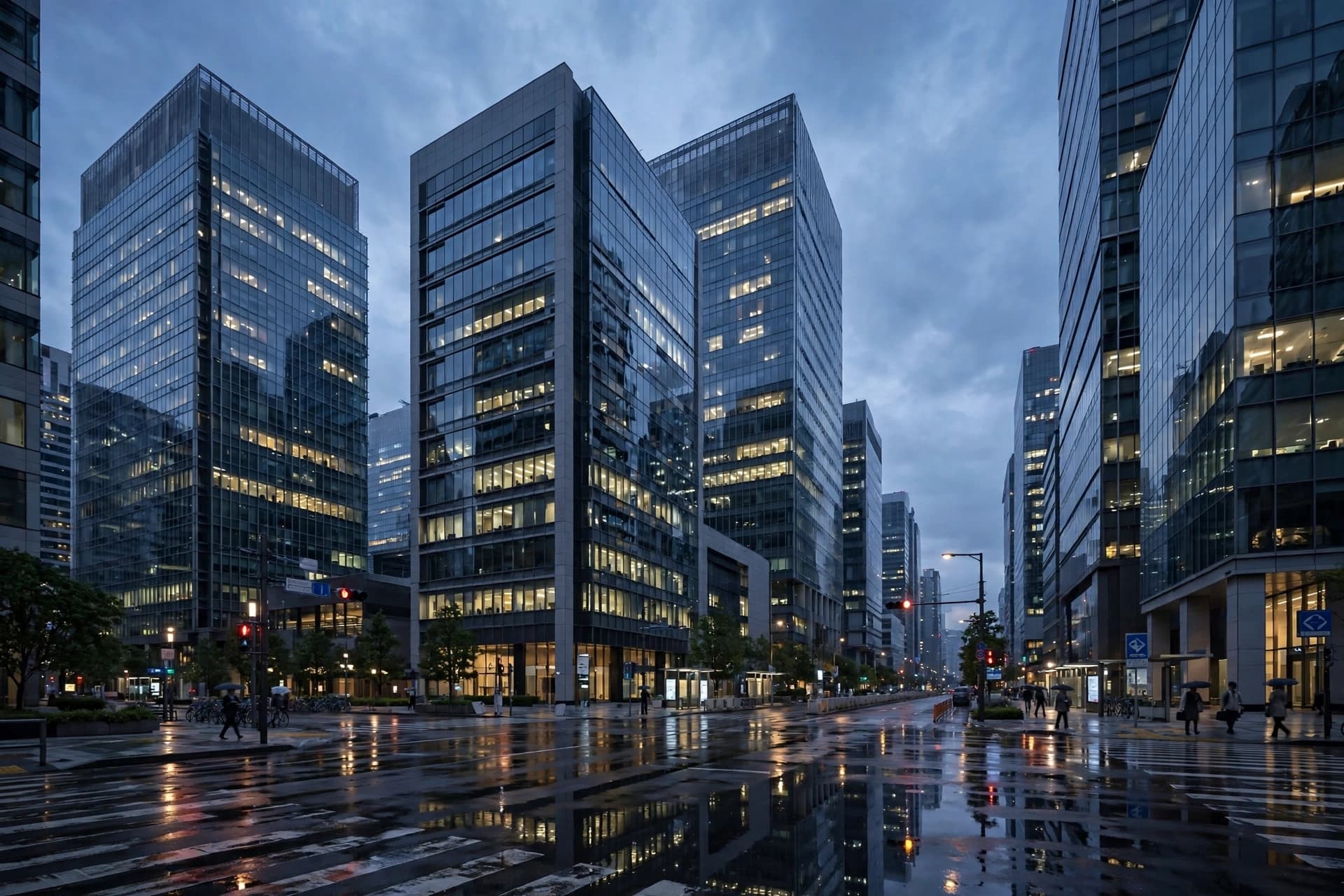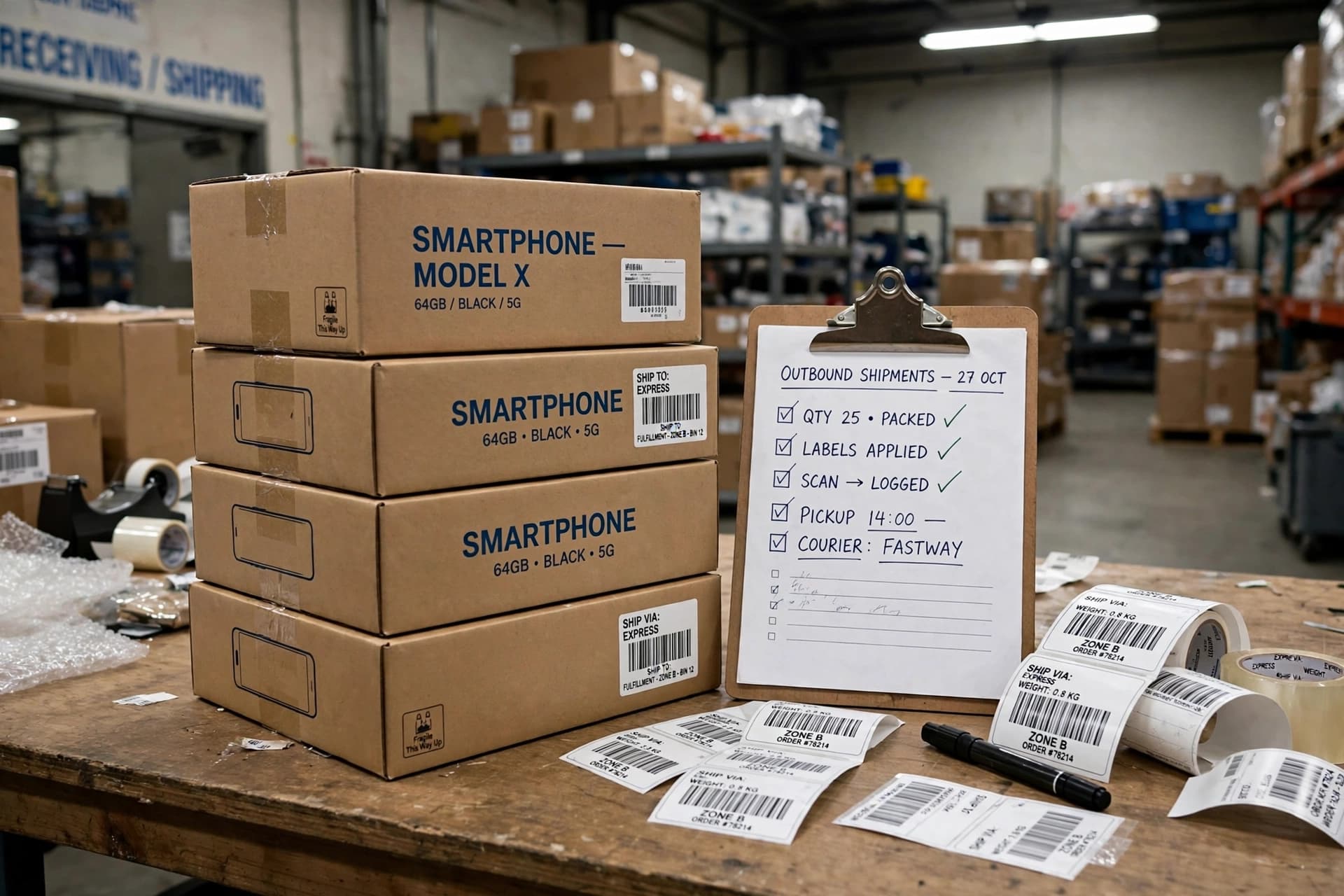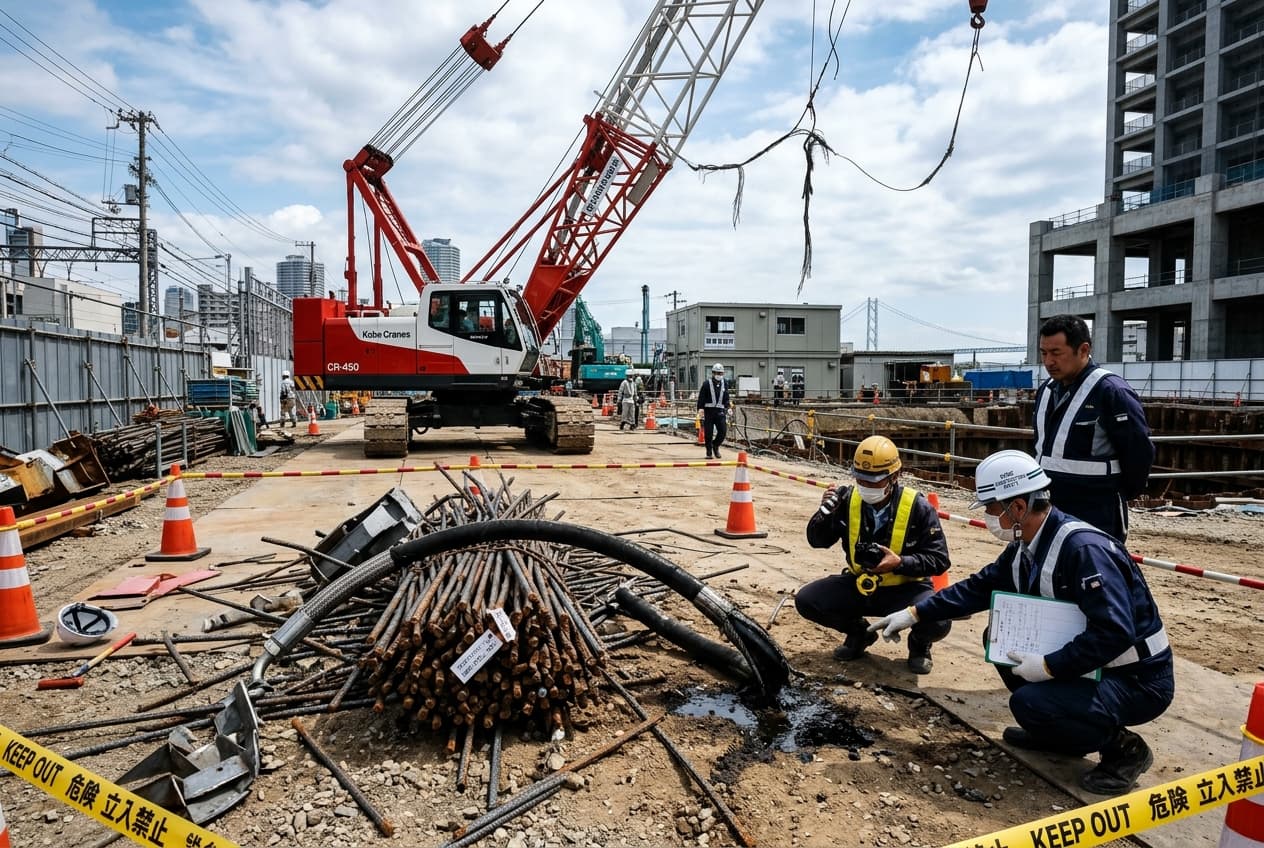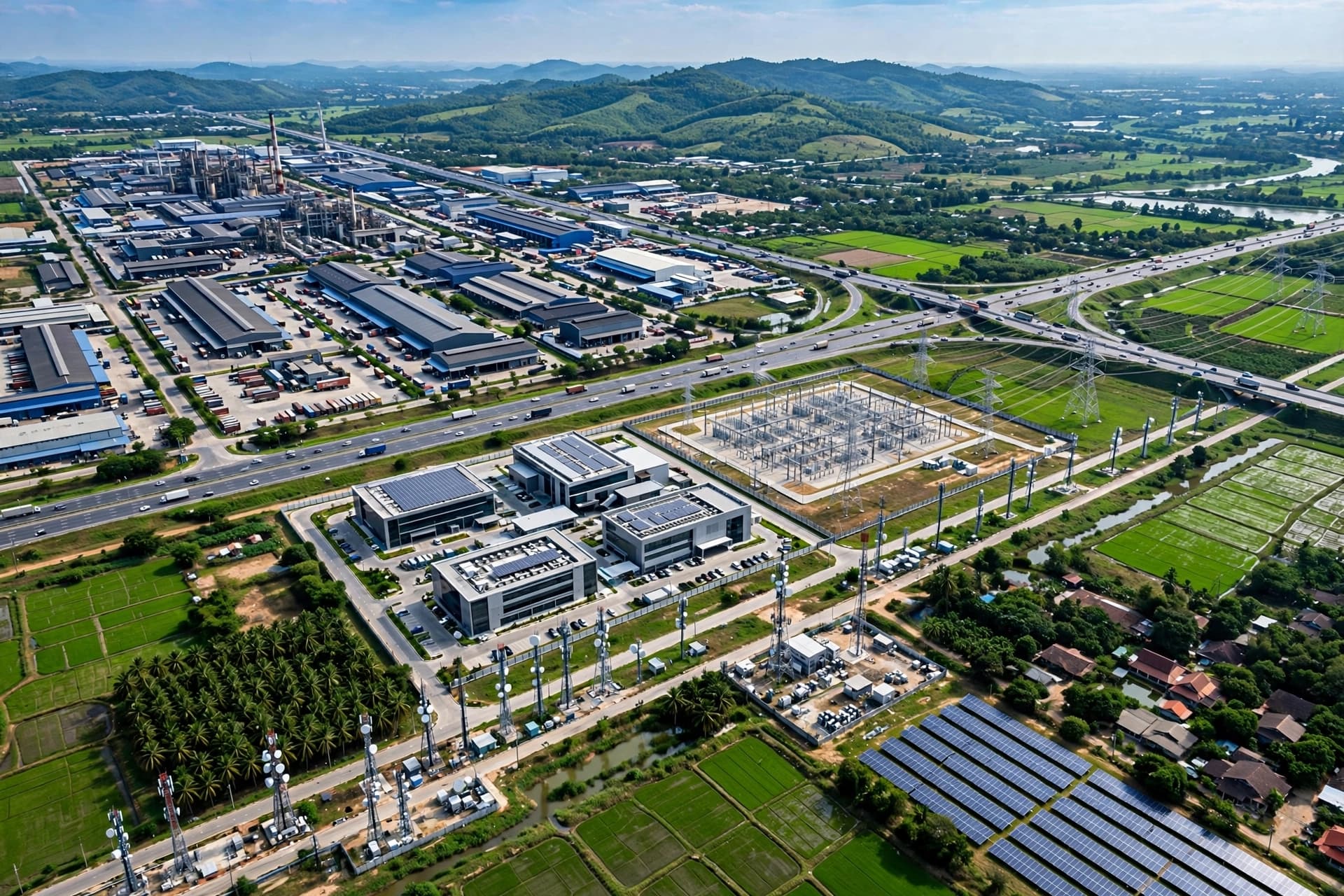
For years, Bangkok has been the natural center of Thailand's modern economy. Offices, banks, technology companies, and major commercial districts gather around the capital. Yet the newest wave of digital infrastructure is beginning to ask a different question: where else can the country's technological future take root?
Data centers require land, electricity, water, telecommunications connections, and reliable transport. These requirements can make locations outside crowded urban centers increasingly attractive, particularly when regional infrastructure is capable of supporting large-scale technology facilities.
Thailand's investment authorities have been paying closer attention to the geographic distribution of digital projects. The objective is not simply to attract investment, but to ensure that new facilities can operate in areas with sufficient infrastructure and resources.
The idea of digital corridors is connected to this broader development. Technology infrastructure can be positioned alongside industrial estates, renewable-energy projects, telecommunications networks, and transportation systems, creating clusters where businesses can share services and suppliers.
Such clusters could provide opportunities for provincial economies. New technology facilities require construction workers, engineers, maintenance specialists, security services, logistics providers, and other supporting businesses.
The effects can also extend to education. Universities and technical institutions located near growing technology clusters may have opportunities to develop training programs designed around local industrial demand.
Yet expansion beyond Bangkok requires more than available land. High-speed telecommunications, dependable electricity, water systems, roads, and skilled workers all need to develop alongside new facilities.
The energy question is particularly important. Data centers operate continuously, so their location must be compatible with available electricity capacity and long-term grid planning.
Water and environmental considerations also influence the choice. Cooling systems can require substantial resources, meaning technology projects must increasingly consider their relationship with surrounding communities and local infrastructure.
The potential shift in geography does not mean Bangkok will lose its role as Thailand's principal business center. Instead, the digital economy could become more distributed, with specialized technology clusters developing around the country.
Thailand's technology expansion is therefore beginning to resemble a network rather than a single center. As data centers, electronics factories, renewable-energy projects, and digital businesses appear in different regions, new connections are forming between the capital and provincial economies. The map of Thailand's digital future may ultimately be drawn not around one city, but across many connected places.
AI Image Disclaimer The visuals are AI-generated conceptual representations of Thailand's regional technology development and are not photographs of actual projects.
Sources The Nation Thailand Thailand Board of Investment Reuters
Published by Banx Network. This article is part of the Banx decentralized media programme, powered by the BXE token on the XRP Ledger.