Key Highlights
- Oil prices have dipped as tensions ease in the Strait of Hormuz.
- Global markets are showing cautious optimism with rising indices.
- The Strait of Hormuz is a critical route for global oil transit.
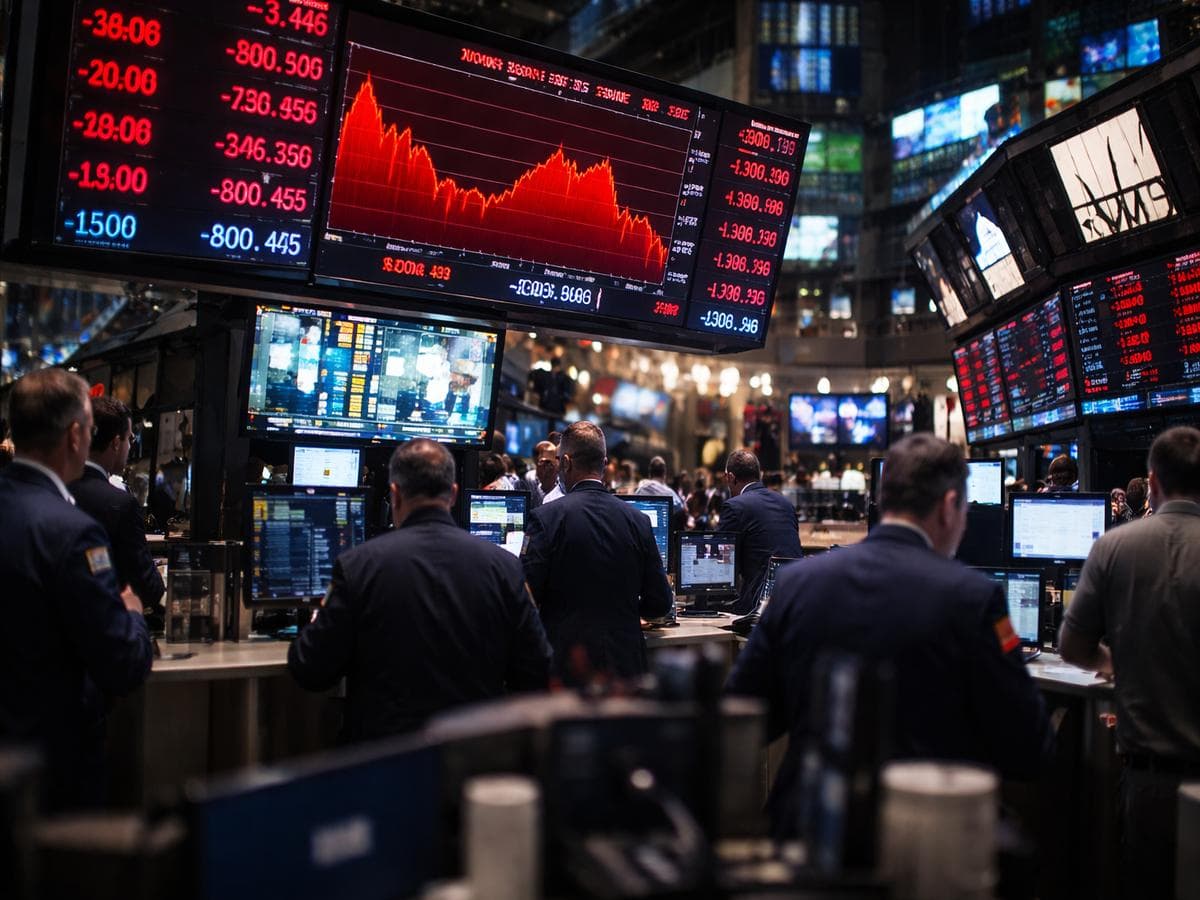
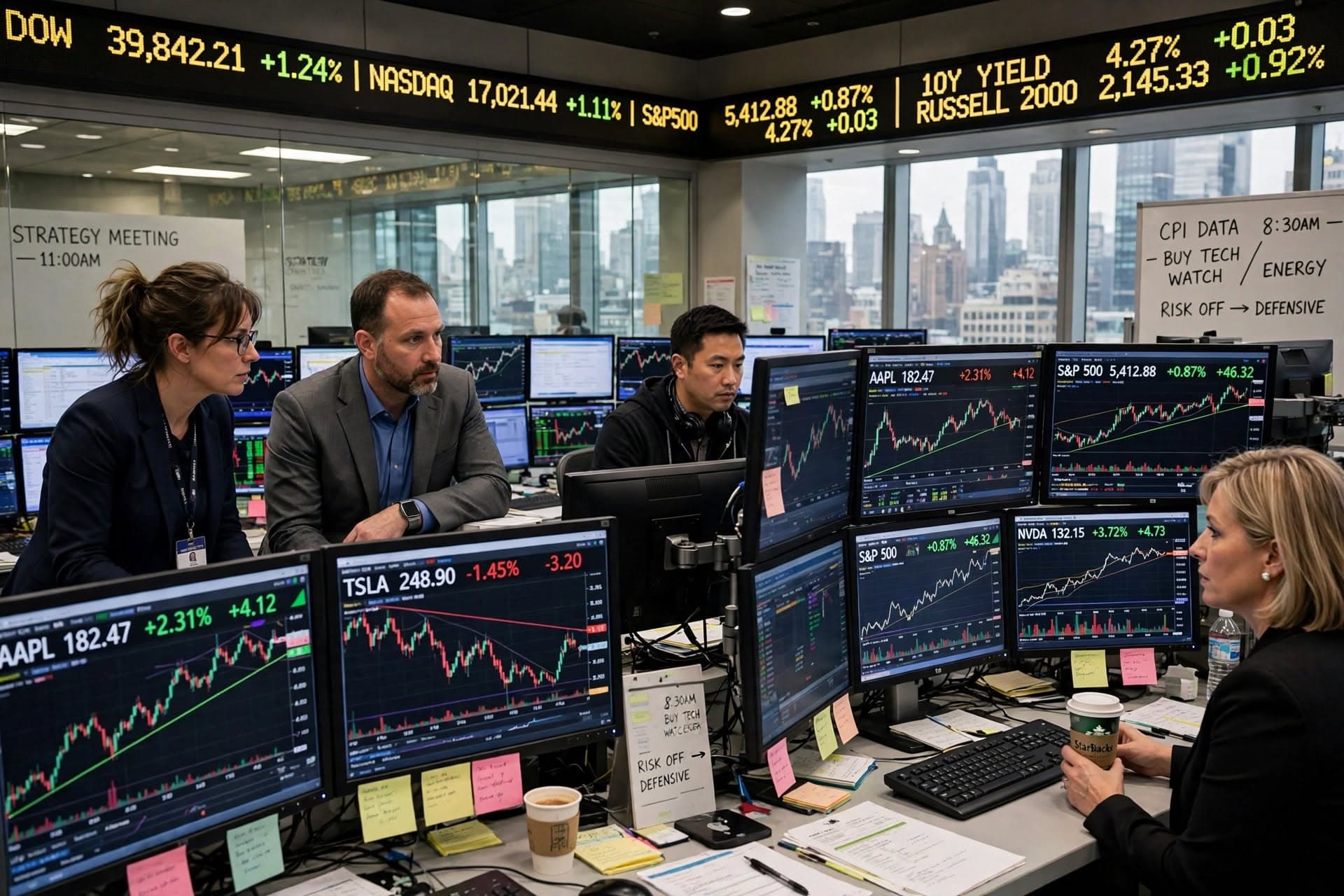
The morning light moved across trading floors in fragments—reflections on glass towers in Singapore, the soft glow of screens in London, and the hum of quiet anticipation in New York before the opening bell. Markets, like tides, respond not only to what is seen but to what is imagined just beyond the horizon. In recent days, that horizon has begun to clear, if only slightly, over one of the world’s most closely watched waterways, the Strait of Hormuz.
The Strait of Hormuz, a narrow passage threading together the energy lifelines of multiple nations, has long carried more than ships. It holds tension, history, and the fragile balance between disruption and flow. When concerns rose that its waters might tighten under geopolitical strain, oil prices climbed with the same urgency as a rising tide. Now, with signals pointing toward a possible reopening or easing of constraints, the current appears to be shifting.
Global oil benchmarks have retreated in response. Traders, who only days earlier priced in the risk of prolonged disruption, have begun to recalibrate. The movement has been swift but not chaotic—more like a long exhale than a sudden release. As oil prices dipped, equity markets found space to rise. Indices across Asia, Europe, and the United States edged upward, reflecting a renewed, if cautious, confidence in the continuity of supply chains.
The relationship between oil prices and global markets is not new, but it remains deeply felt. Lower energy costs ripple outward, touching industries far removed from oil fields and shipping lanes. Airlines, manufacturers, and logistics networks all register the shift in quieter ways—balance sheets adjusting, forecasts softening at the edges. In this moment, optimism has not arrived as celebration, but as a subtle easing of tension, like a knot loosening rather than breaking.
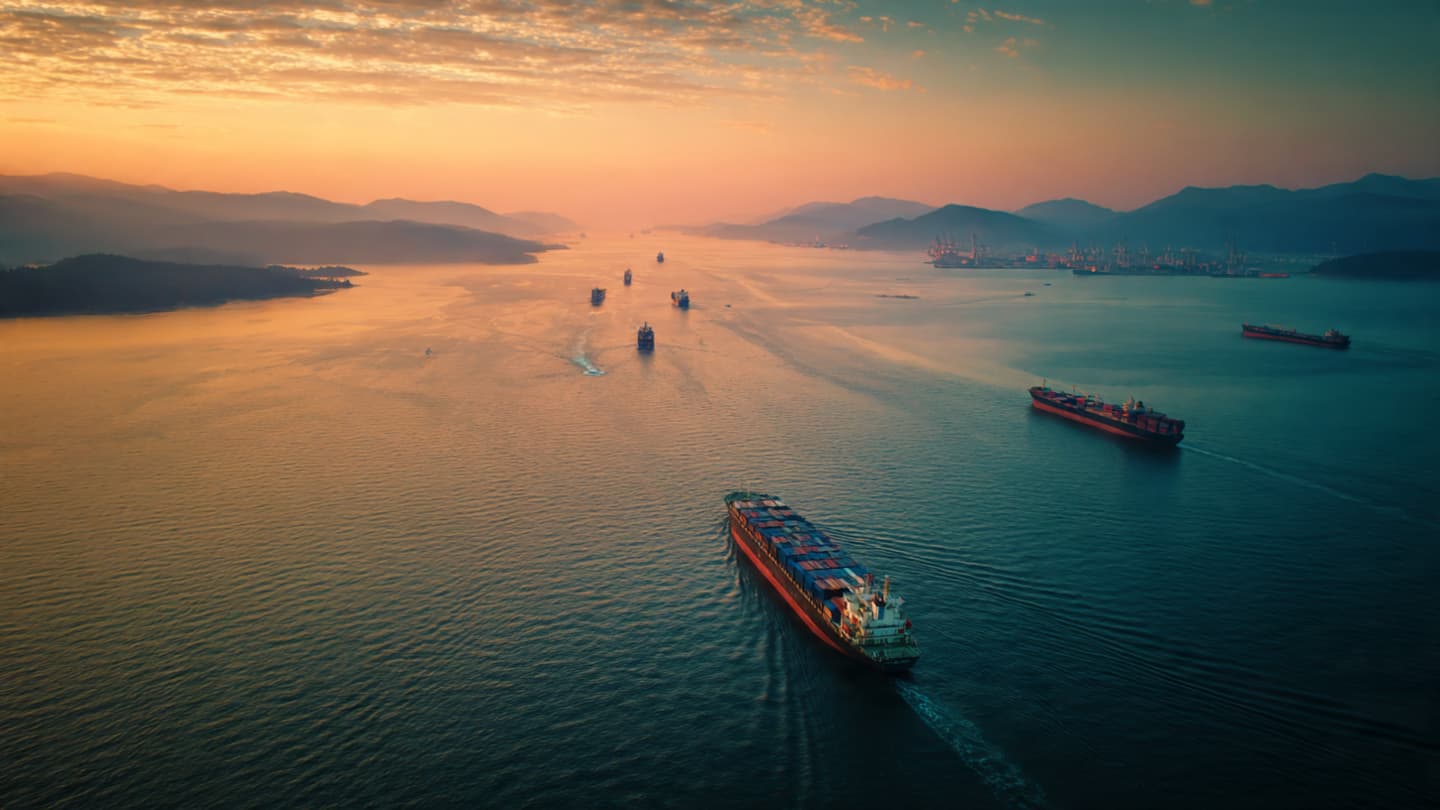
Behind the movement lies a web of diplomatic gestures and strategic calculations. The Strait, bordered by Iran and Oman, has often served as both conduit and pressure point. Any indication that shipping can resume with fewer risks carries immediate global consequences. Tankers that once hesitated may soon return to their steady routes, restoring a rhythm that underpins a significant share of the world’s oil transit.
Yet even as markets respond, there is a sense of provisional calm. Analysts note that while prices have fallen, volatility remains close beneath the surface, shaped by the same uncertainties that prompted the initial surge. Investors move forward with measured steps, aware that the waterway’s stability is never entirely assured.
In financial centers, the story unfolds through numbers—percentages gained, barrels repriced, currencies adjusting in quiet tandem. But beyond the screens, the implications stretch into daily life: fuel costs, transport fares, the subtle economics of goods moving across continents. The Strait’s reopening is not simply a geopolitical development; it is a reminder of how closely the world’s rhythms are tied to narrow passages of water.
As the day closes across time zones, the markets settle into a gentler cadence. Oil prices remain lower than their recent peaks, and stocks hold their gains, reflecting a shared expectation that the worst disruptions may be avoided. Still, the narrative is unfinished. The Strait of Hormuz continues to carry its layered significance—at once a physical route and a symbolic threshold.
For now, the ships are expected to move again, and with them, a measure of steadiness returns. The sea, unchanged in its vastness, resumes its quiet work of connecting distant shores, even as those watching from afar remain attentive to every shift in its currents.
Published by Banx Network. This article is part of the Banx decentralized media programme, powered by the BXE token on the XRP Ledger.