
Key Highlights
- Incident:The death of activist Quentin Deranque has sparked political debate in France.
- Diplomatic Response:France summoned U.S. Ambassador Charles Kushner over American comments.
- Ongoing Investigation:French authorities emphasize the need for internal judicial processes.
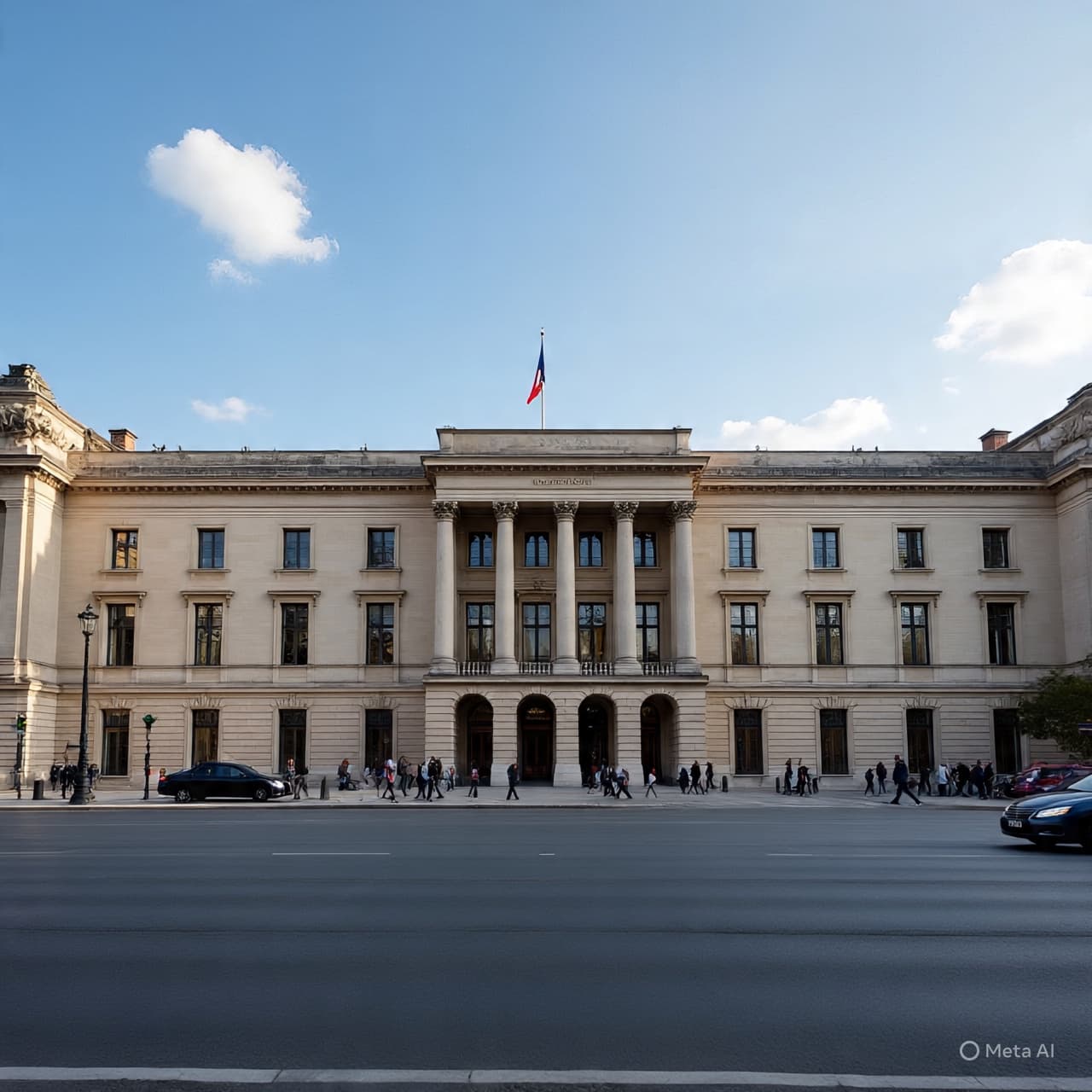
In the shadow of Parisian boulevards, where winter light softens the stone façades and footsteps echo with quiet insistence, grief does not remain entirely private. It moves outward, carried by voices, by headlines, and by official statements that attempt to give shape to loss. This movement from street to state illustrates how mourning can become a matter not only of remembrance but also of diplomacy.
The death of Quentin Deranque, a young activist killed in Lyon after a violent confrontation, has stirred both sorrow and political debate within France. As investigations continue into the circumstances surrounding the clash, the tragedy has drawn international attention. Statements issued by the U.S. State Department’s Counterterrorism Bureau, shared by the U.S. Embassy in Paris, referenced reports about the ideological background of those allegedly responsible and framed the killing within broader concerns about violent extremism.
In Paris, the tone shifted from reaction to response. French Foreign Minister Jean-Noël Barrot announced that France would summon Charles Kushner, the United States ambassador, to express concern over what he described as the politicization of a domestic tragedy. The summons of an ambassador is a formal diplomatic gesture — neither rupture nor reconciliation, but a structured moment of clarification. It signals discomfort while leaving the broader relationship intact.
French officials indicated that they viewed the American comments as commentary on an internal matter that remains under judicial review. They emphasized that France’s institutions are responsible for investigating and addressing violence on their own soil. At the same time, they reaffirmed the enduring ties between Paris and Washington, alliances built over decades of shared security interests and cultural exchange.
Across the Atlantic, U.S. officials have not suggested any change in policy toward France, and there has been no indication of a broader diplomatic escalation. The episode instead reflects the sensitivity that surrounds public statements when they intersect with national grief and political tension. In an era when messages travel instantly and interpretations multiply, even carefully phrased remarks can take on unexpected resonance abroad.
The streets of Lyon remain under the watch of investigators. In Paris, diplomats prepare for a meeting that will likely unfold in measured language and private conversation. Between nations long accustomed to cooperation, the exchange will be part of an established vocabulary of disagreement — firm, formal, and contained.
In straightforward terms, France has announced it will summon U.S. Ambassador Charles Kushner over comments made by American officials regarding the death of activist Quentin Deranque. French authorities say the remarks risk politicizing an ongoing domestic investigation. The broader diplomatic relationship between the two countries continues.
Published by Banx Network. This article is part of the Banx decentralized media programme, powered by the BXE token on the XRP Ledger.



