
Key Highlights
- New Program:Bern University of Applied Sciences launches a master's in circular innovation.
- Focus on Sustainability:The program emphasizes sustainable practices across industries.
- Interdisciplinary Approach:Students collaborate across fields to innovate solutions.
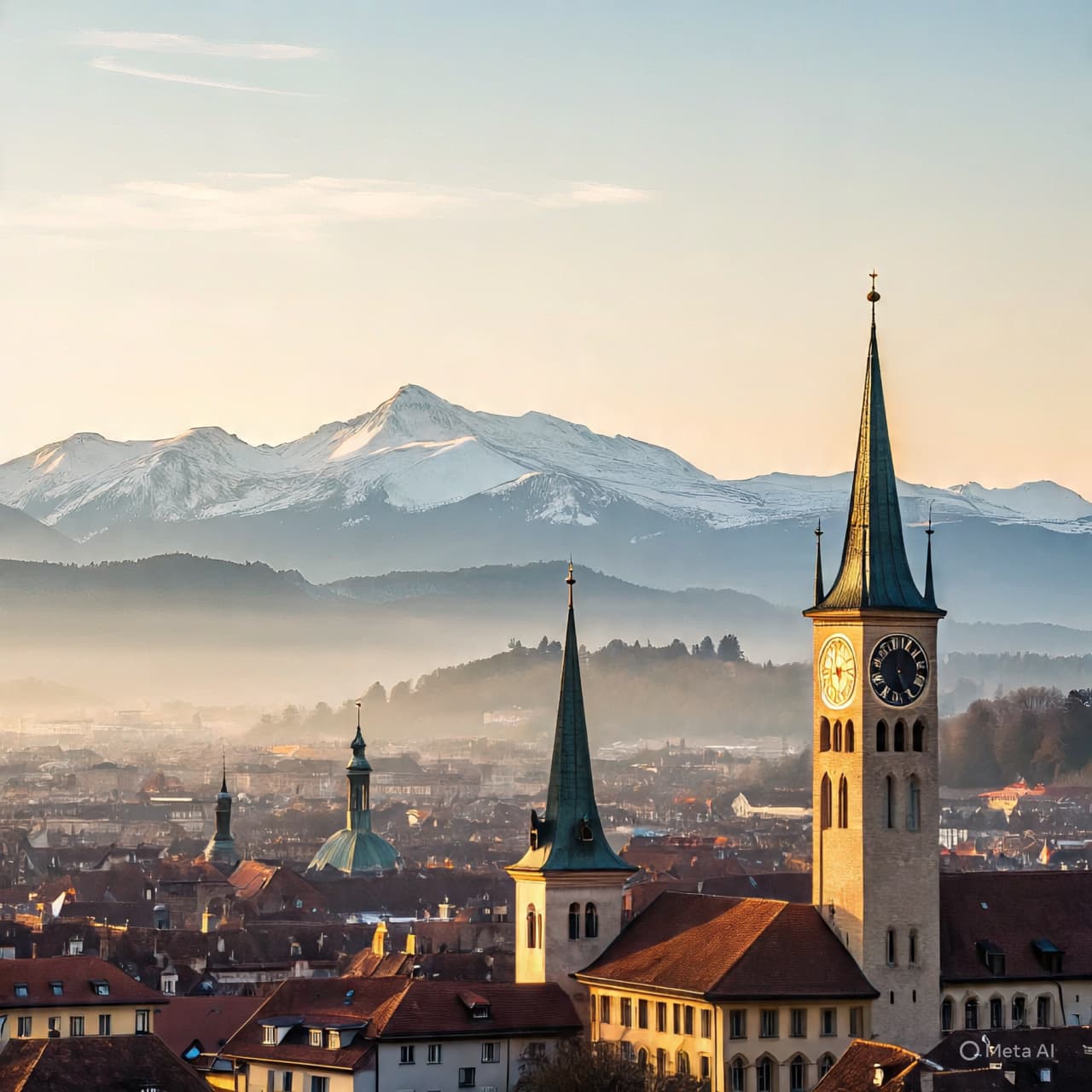
The morning light crests the Jura Mountains, illuminating Bern as if the city itself were waking from a long slumber. In this space, where the permanence of granite meets the fleeting nature of the seasons, there is a growing realization that our creations must reflect the world that hosts them. The air in the foothills suggests a different rhythm is required, one that moves toward a circular philosophy that seeks to erase the concept of an ending.
At the Bern University of Applied Sciences, this shift manifests in a new master's program dedicated to circular innovation and sustainability. This initiative acknowledges that the ingenuity of the future lies not in creating more but in making things last or ensuring they return to their origins. The program aims to equip students with the knowledge and skills necessary to navigate and lead in a world increasingly focused on sustainability.
The curriculum serves as a bridge between traditional business practices and the regenerative laws of nature. Students are encouraged to view products not as finalities but as temporary assemblies of materials destined for a second life. This approach recalibrates the human footprint, ensuring that industrial practices learn to tread lightly, much like the thaw that releases mountain brooks in spring.
In classrooms and laboratories, the focus shifts toward interdisciplinary collaboration. Chemists, economists, and designers work together to solve the challenges posed by finite resources. They discuss materials that transform rather than degrade and business models that prioritize stewardship over consumption. This methodical unraveling of industrial habits is replaced by a patience that respects the limits of the land, fostering a new mindset that values sustainability.
Studying these cycles against the backdrop of the Alps offers a poetic justice. The program recognizes that our current economic architecture often conflicts with natural grace. By integrating ecological production cycles into higher education, the institution prepares a generation to weave a more resilient social and environmental fabric.
This transition is as much about mindset as it is about technology. It requires a departure from the frantic pace of disposability and calls for a contemplative approach to design, where beauty is measured by an object's ability to be reborn. In Switzerland, a nation known for its careful management of resources, this evolution feels like a return to a more mindful existence.
As the day progresses and shadows lengthen across the Aare River, the significance of this shift becomes clearer. The program is not merely a collection of lectures but a laboratory for a new kind of survival. It embodies the belief that human progress can harmoniously coexist with the planet's ongoing story.
The initiative at the Bern University of Applied Sciences officially opens its doors to those seeking to lead in the circular economy. This advanced degree focuses on the practical application of sustainable innovation across various industrial sectors, aiming to provide graduates with the tools necessary to redesign supply chains and implement regenerative practices within the modern global market.
Published by Banx Network. This article is part of the Banx decentralized media programme, powered by the BXE token on the XRP Ledger.



