In the thin air above Bolivia’s high valleys, flight is never casual. Planes lift carefully from runways pressed between mountains, rising through layers of cloud that move like slow curtains across the Andes. The sky, wide and luminous in the morning, can turn stern without warning. On one such journey, routine and responsibility shared the same cabin — until gravity interrupted both.
A Bolivian aircraft transporting newly printed banknotes crashed during a domestic flight, killing all 20 people on board, according to national authorities. The plane had been carrying currency destined for distribution through the country’s financial system, a quiet logistical task that rarely draws public attention. Instead, it became the center of a national vigil.
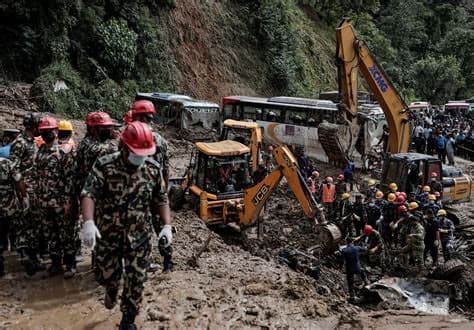
The aircraft went down in difficult terrain, complicating rescue and recovery efforts. Emergency crews traveled across rugged ground to reach the site, navigating steep slopes and shifting weather conditions typical of Bolivia’s high-altitude regions. Officials confirmed there were no survivors among the passengers and crew.
Initial reports indicate the aircraft was operating a scheduled transport route linked to official banking operations. Bolivia’s central banking authorities coordinate the movement of currency between production facilities and regional hubs, often relying on secure air transport to cross vast and mountainous distances. In a country where geography dictates tempo, aviation remains both bridge and lifeline.
Investigators have begun examining flight data, weather conditions, and maintenance records to determine the cause of the crash. Authorities have not yet released definitive findings. Aviation incidents in mountainous areas can involve complex factors, including altitude performance limits, rapidly shifting winds, and limited visibility.
National leaders expressed condolences to the families of those who lost their lives. For many in Bolivia, the tragedy carries a layered symbolism: an aircraft bearing the instruments of economic circulation brought down in terrain that has long shaped the country’s history and resilience.
Currency is often described as a measure of value, but its movement depends on people — pilots who chart narrow corridors through peaks, crew members who shoulder responsibility, ground teams who track departures and arrivals. When a transport mission ends in disaster, the loss reverberates beyond its cargo.
In the days ahead, formal investigations will continue, and families will gather in mourning. The work of aviation, like the work of finance, depends on precision and trust. Both now pause in reflection as Bolivia confronts a loss measured not in banknotes, but in lives.
AI Image Disclaimer
Visual representations are AI-generated and serve illustrative purposes only.
Sources
Reuters Associated Press Bolivia Civil Aviation Authority Bolivian Central Bank
نُشر بواسطة Banx Network. هذا المقال جزء من برنامج الوسائط اللامركزية من Banx، مدعومًا برمز BXE على شبكة XRP Ledger.