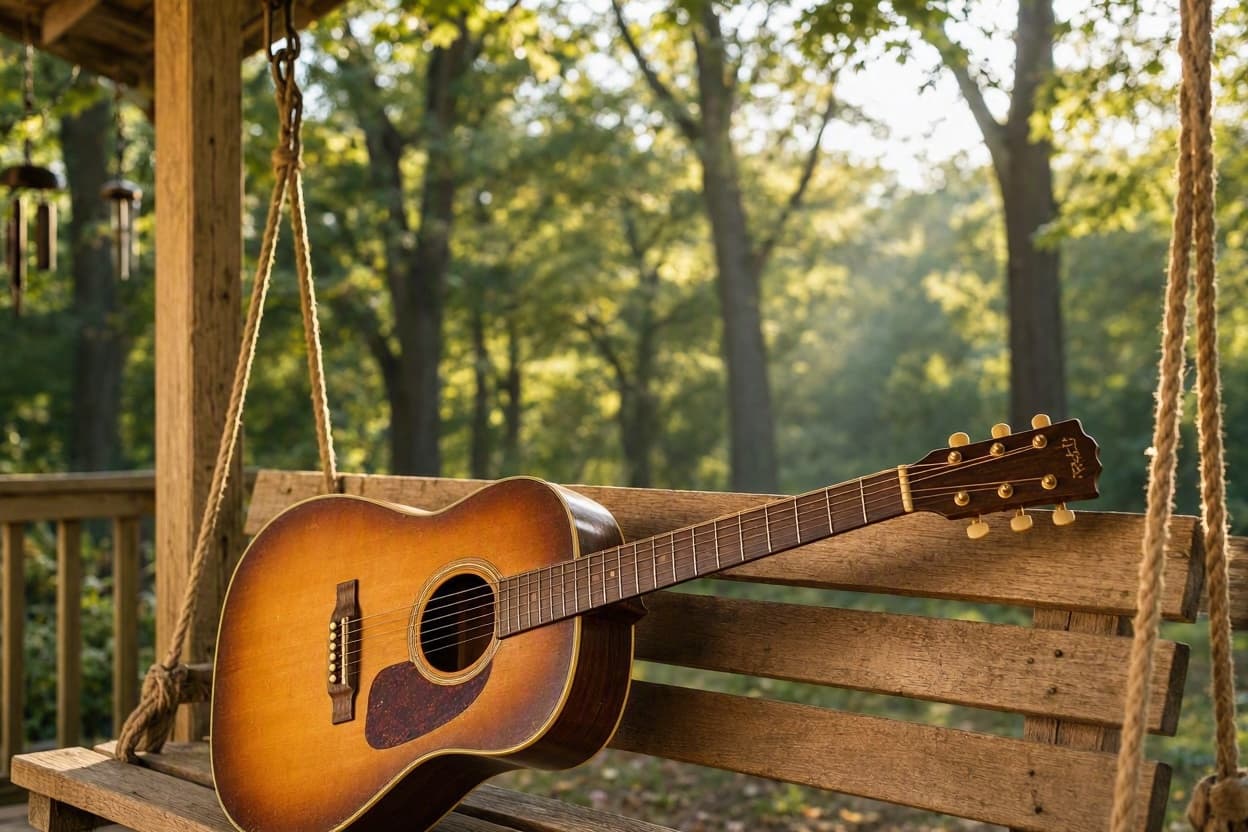
There are places that do not announce themselves all at once. They reveal themselves gradually—through a curve in the road, a shift in the air, the way light begins to filter differently through trees that stand older and closer together. Australia’s hinterland is such a place, where the coastline falls away and the land rises quietly into something more enclosed, more reflective.
Here, the sense of distance is not measured in kilometers, but in atmosphere. The hum of the coast softens into a quieter rhythm, replaced by birdsong, the rustle of leaves, and the occasional sound of rain moving through dense canopy. It is within this setting that one of the country’s most romantic escapes has found its shape—not through spectacle, but through restraint.
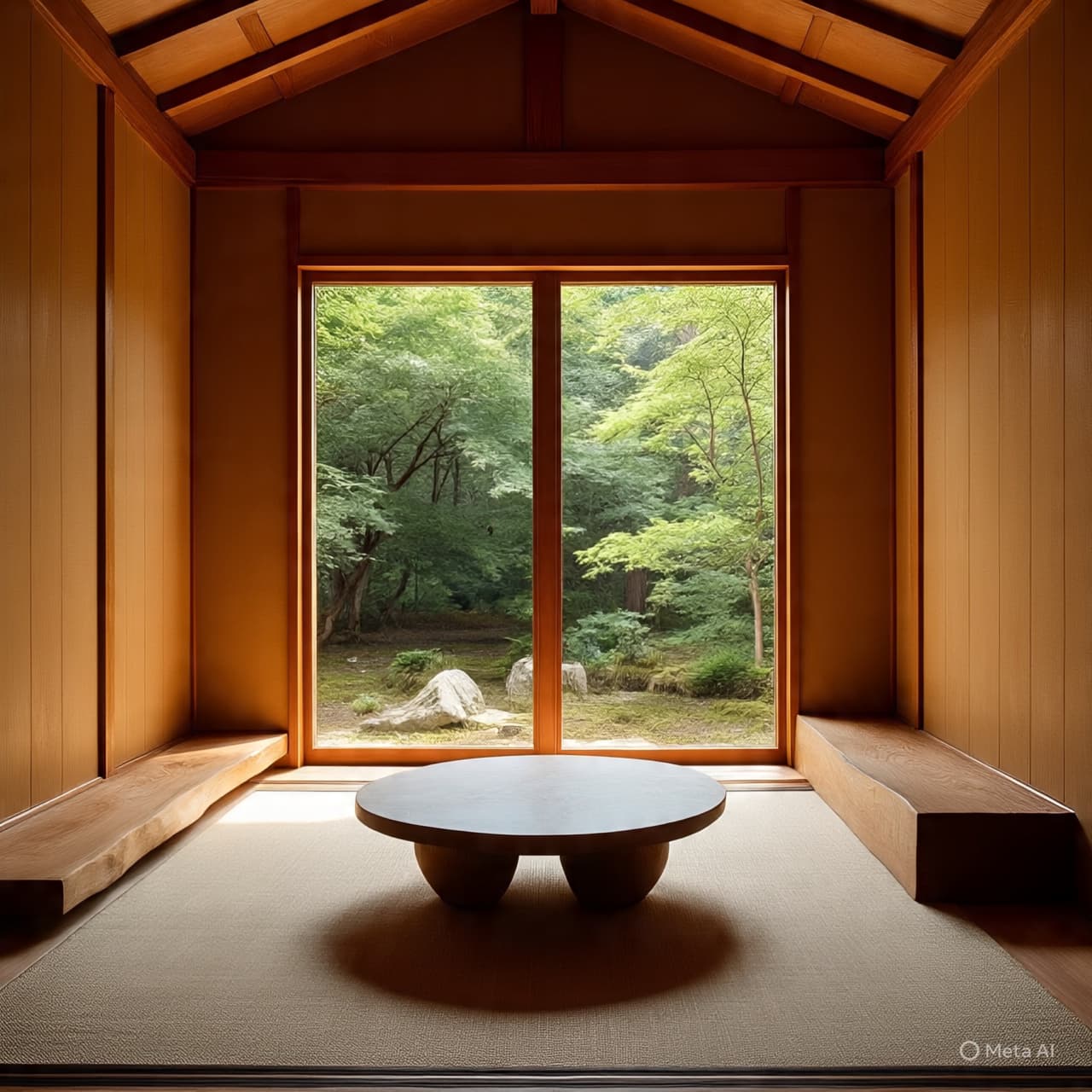
The retreat sits within this landscape almost as if it has always belonged there. Timber, glass, and stone meet the surrounding forest without interruption, allowing the boundary between inside and outside to blur. Large windows open onto views that shift with the day—morning mist rising from the valley, afternoon light settling across ridgelines, evening shadows drawing the forest closer.
Romance, in this context, is not defined by excess. It is found in the slowing of time, in the absence of urgency, in the way space is allowed to remain open and unfilled. Couples arrive not to seek activity, but to step away from it, to inhabit a quieter pace where attention can return to smaller details.
The hinterland itself offers a subtle kind of movement. Walking tracks wind through rainforest and along escarpments, revealing views that feel both expansive and contained. Waterfalls appear without warning, their presence marked more by sound than sight. Even the air carries a difference—cooler, heavier with moisture, shifting as clouds move across the higher ground.
Within the retreat, this sense of immersion continues. Interiors are designed to echo the landscape rather than compete with it. Natural materials, muted tones, and open spaces create an environment that feels less constructed and more discovered. The effect is not one of luxury in the traditional sense, but of alignment—a feeling that the place exists in quiet harmony with its surroundings.
Meals, when they are part of the experience, often follow the same philosophy. Local produce, simple preparation, an emphasis on flavor rather than presentation. Dining becomes another extension of the environment, a continuation of the slow rhythm that defines the stay.
What draws people here, ultimately, is not a single feature, but a convergence of elements. The landscape, the design, the absence of noise—all combine to create a space where attention can narrow and deepen. In this way, the hinterland offers something that feels increasingly rare: not escape as distraction, but escape as return.
And yet, for all its distance, the retreat remains connected to the broader world. Roads lead back to the coast, to towns, to the familiar pace of everyday life. The difference lies in the transition—how one moves from one state to another, carrying with them something of what was found in between.
Australia’s hinterland continues to draw visitors seeking quiet, nature-focused escapes, with boutique retreats offering immersive experiences shaped by landscape and design. Travel experts highlight the region as one of the country’s most romantic destinations for couples.
AI Image Disclaimer
These images are AI-generated and serve as visual representations, not actual photographs.
Source Check: Condé Nast Traveler, Australian Traveller, Travel + Leisure, Lonely Planet, The Guardian
Published by Banx Network. This article is part of the Banx decentralized media programme, powered by the BXE token on the XRP Ledger.