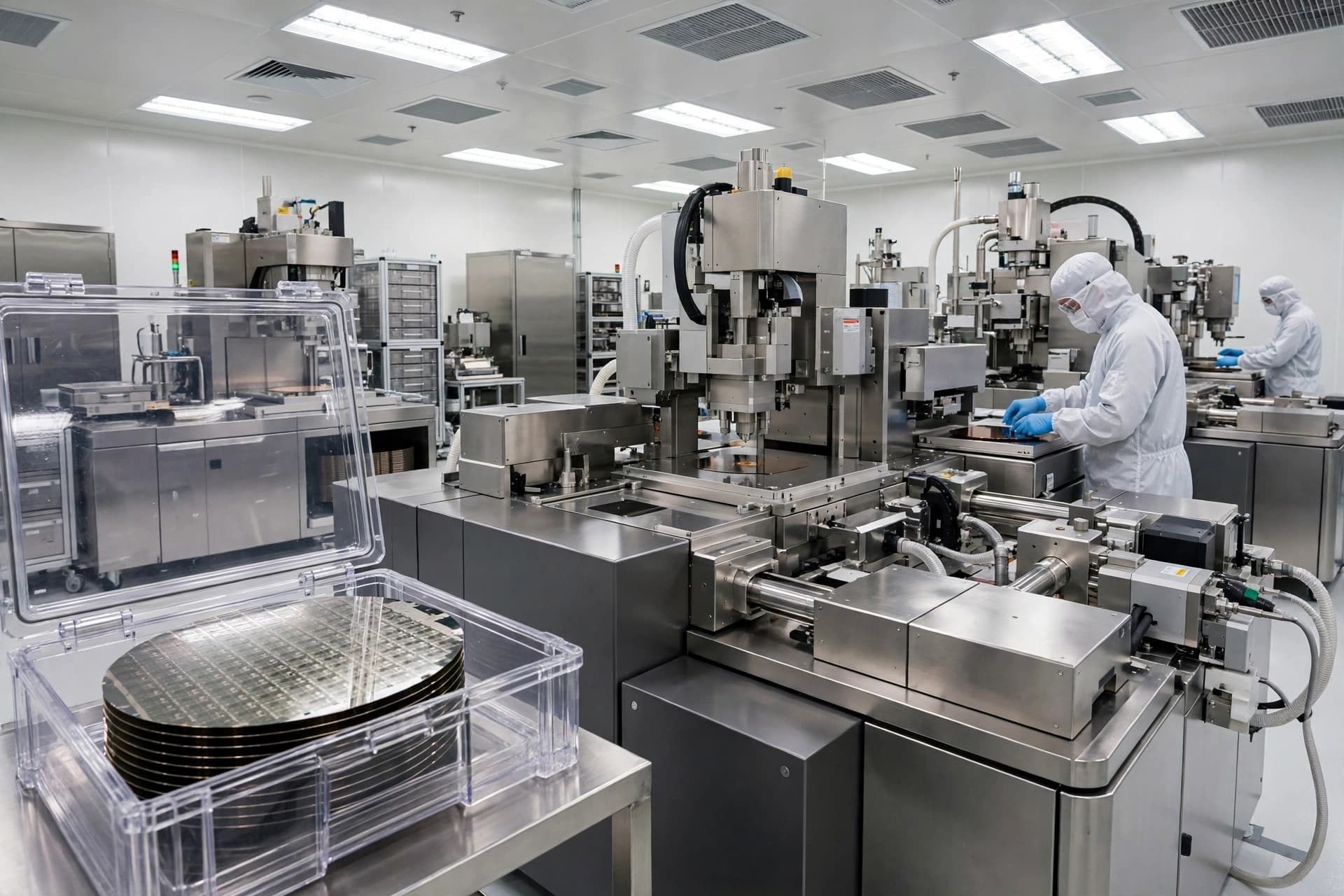
The hum of machinery in a factory is a sound that often goes unnoticed until it falls silent — a quiet that speaks not just of machines at rest, but of intention interrupted. On assembly lines where precision once set the pace, a pause has settled like a held breath. For suppliers tied to one of the world’s most advanced artificial intelligence processors, that stillness has arrived not through market cycles or seasonal demand, but through the shifting currents of international policy.
The H200, an advanced AI chip developed by Nvidia, has been among the most sought-after processors in the global technology sector. Positioned just below the company’s most powerful flagship designs, it has been widely used for training large artificial intelligence models. Demand from China has been particularly strong, with domestic technology firms placing large orders as they sought to expand computing capacity amid rapid AI development.
Suppliers across the chip ecosystem — including makers of circuit boards, advanced packaging, and specialized components — ramped up production in anticipation of fulfilling those orders. Factories operated on tight schedules, aligning output with delivery timelines that stretched across borders and oceans. The movement of parts and finished chips followed a familiar rhythm, one refined over years of globalized manufacturing.
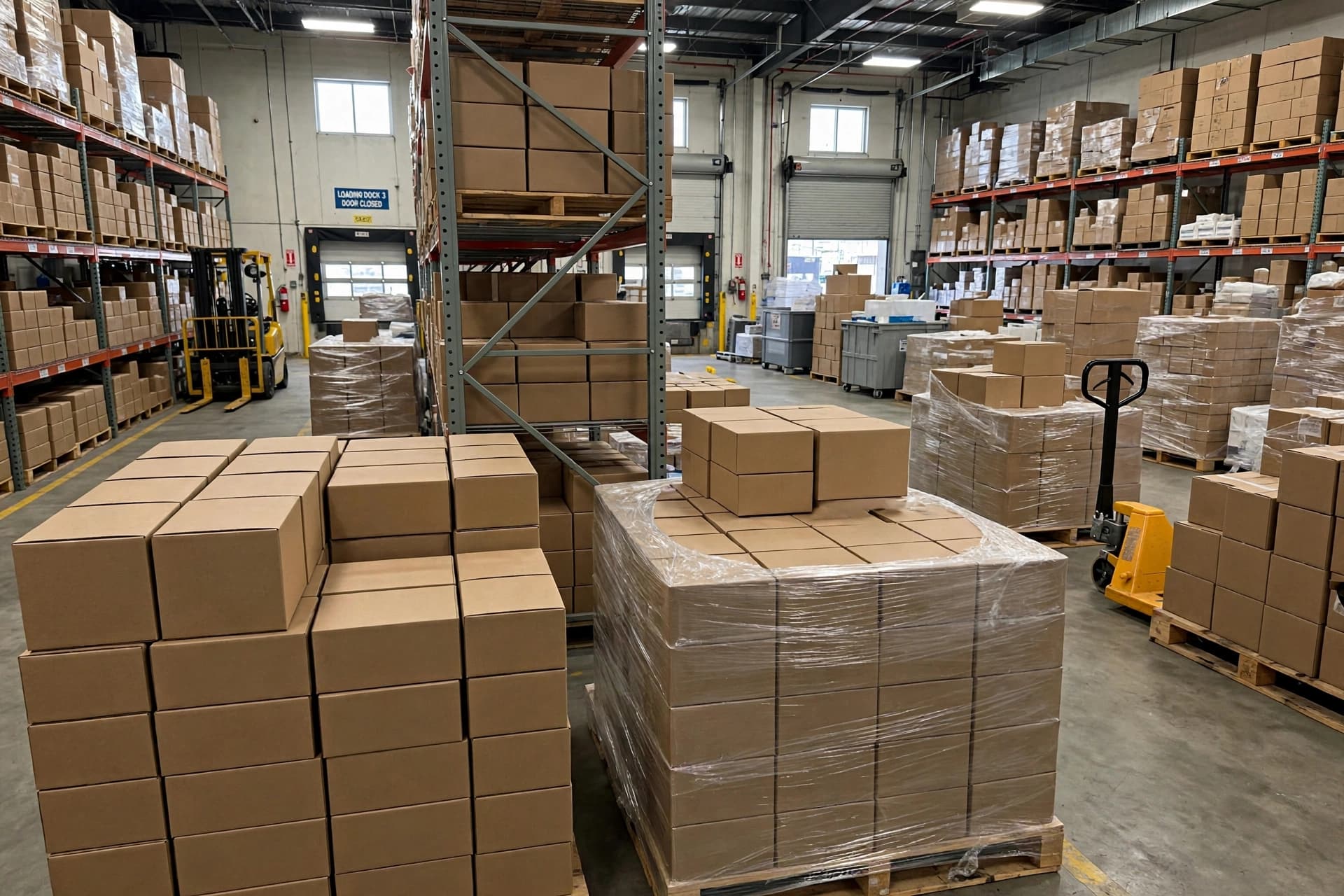
That rhythm faltered when Chinese customs authorities blocked shipments of the H200 processors from entering the country. The decision came despite conditional approvals from U.S. regulators that would have allowed the chips to be exported under specific controls. With shipments unable to clear customs, uncertainty spread quickly through the supply chain. Suppliers, wary of building components that might have no destination, chose caution over momentum and began halting output.
The pause reflects more than a logistical snag. It sits within a broader landscape where semiconductors have become instruments of strategy as much as of commerce. Advanced chips now carry weight far beyond their physical form, tied to national ambitions in artificial intelligence, security, and technological independence. Decisions made in regulatory offices reverberate outward, shaping factory schedules, investment plans, and development roadmaps.
For Chinese technology companies awaiting delivery, the disruption reshapes timelines and expectations. Engineers and planners accustomed to precision now navigate ambiguity, considering alternatives as access to high-performance processors becomes less certain. For suppliers, the quiet on production floors serves as a reminder that even the most finely tuned manufacturing systems remain vulnerable to forces beyond their control.
The machines have not been dismantled, nor has demand disappeared. Instead, production waits at a crossroads, suspended between approval and restriction, readiness and restraint. The H200 remains a powerful symbol of what modern computing can achieve — and of how easily its journey can be slowed by the invisible boundaries of policy.
In clear terms, suppliers producing components for Nvidia’s H200 artificial intelligence chips have halted output after Chinese customs blocked shipments of the processors from entering China, creating uncertainty across the supply chain and highlighting ongoing tensions in global semiconductor trade.
AI Image Disclaimer Illustrations were created using AI tools and are not real photographs.
Sources (Media Names Only) Reuters Financial Times Associated Press
Published by Banx Network. This article is part of the Banx decentralized media programme, powered by the BXE token on the XRP Ledger.