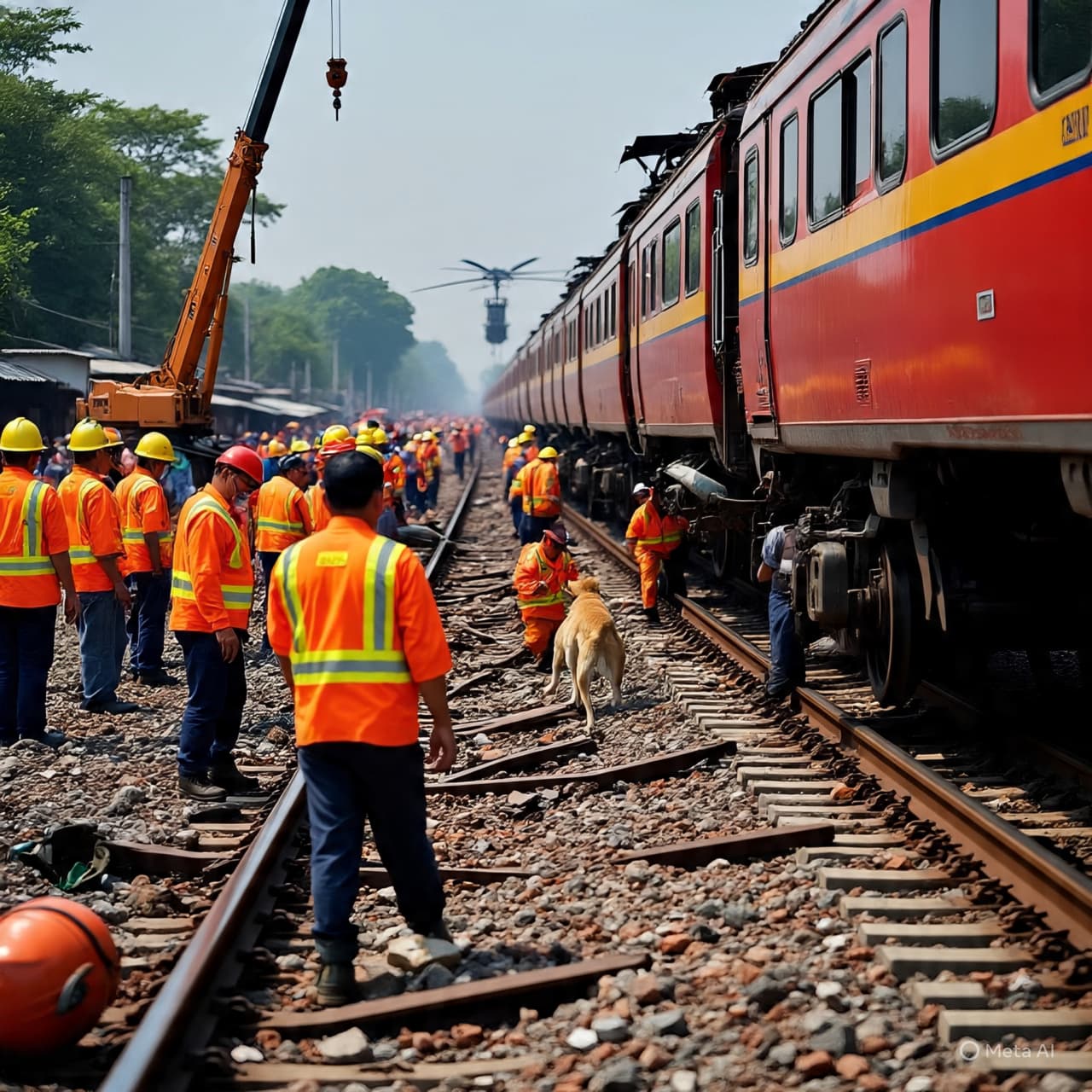
The morning of January 14 began like any other for passengers aboard Special Express Train No. 21, a service rolling northeast from Bangkok toward Ubon Ratchathani. But just after 9:13 a.m., life turned on a fragile hinge: a massive construction crane, part of a high‑speed rail project, collapsed from its elevated track onto the moving train below. In an instant, familiar seats, aisles, and cold metal became the site of a catastrophic derailment and fire — and, for some, unexpected shelters in the wreckage as rescuers began their desperate work.
The crane’s weight and impact derailed the train and crushed the second and third carriages, igniting a fire that trapped many inside. At least 32 people were killed and more than 60 injured, with rescue teams confronting twisted steel and burning wreckage to reach survivors. Some passengers were pulled from the mangled interior after being inaccessible for long periods — wedged within collapsed sections of the carriage or held in place by buckled seats and flooring that, despite the chaos, formed tiny pockets where trapped individuals could cling to life.
Emergency crews — including Thailand’s Royal Thai Army Rapid Response Team and specialized rescue units — worked through dangerous conditions to evacuate those still alive. With hydraulic cutters, heavy machinery, and coordinated planning, responders labored to free those pinned amid debris and bent rails, extracting survivors whose paths to escape were blocked by fallen steel and fire damage.
Local volunteers and medical teams also played a vital role, providing immediate care and helping transfer the injured to hospitals across Nakhon Ratchasima province. With automatic doors and windows that could not be opened after impact, many trapped passengers owed their survival to quick thinking by fellow travelers and rescuers — and to the stubborn geometry of the wrecked carriage, which sometimes left tiny voids between broken seats and panels where people managed to protect themselves from the worst of the collapse.
In the days since, the focus has shifted from rescue to investigation and recovery: authorities have formed a special task force to interrogate engineers and personnel involved in the rail project, and have launched inquiries into safety protocols for construction over active lines. Families and communities are now grappling with loss and gratitude alike, mourning those who perished while recounting stories of survival that feel almost miraculous in their detail — of people found alive in the narrowest spaces amid rubble that should have spelled their end.
Amid grief and outrage, these accounts of survival remind us that in the midst of disaster, the human spirit — and the unexpected shelter offered by the smallest gaps between wrecked metal — can make all the difference between tragedy and life.
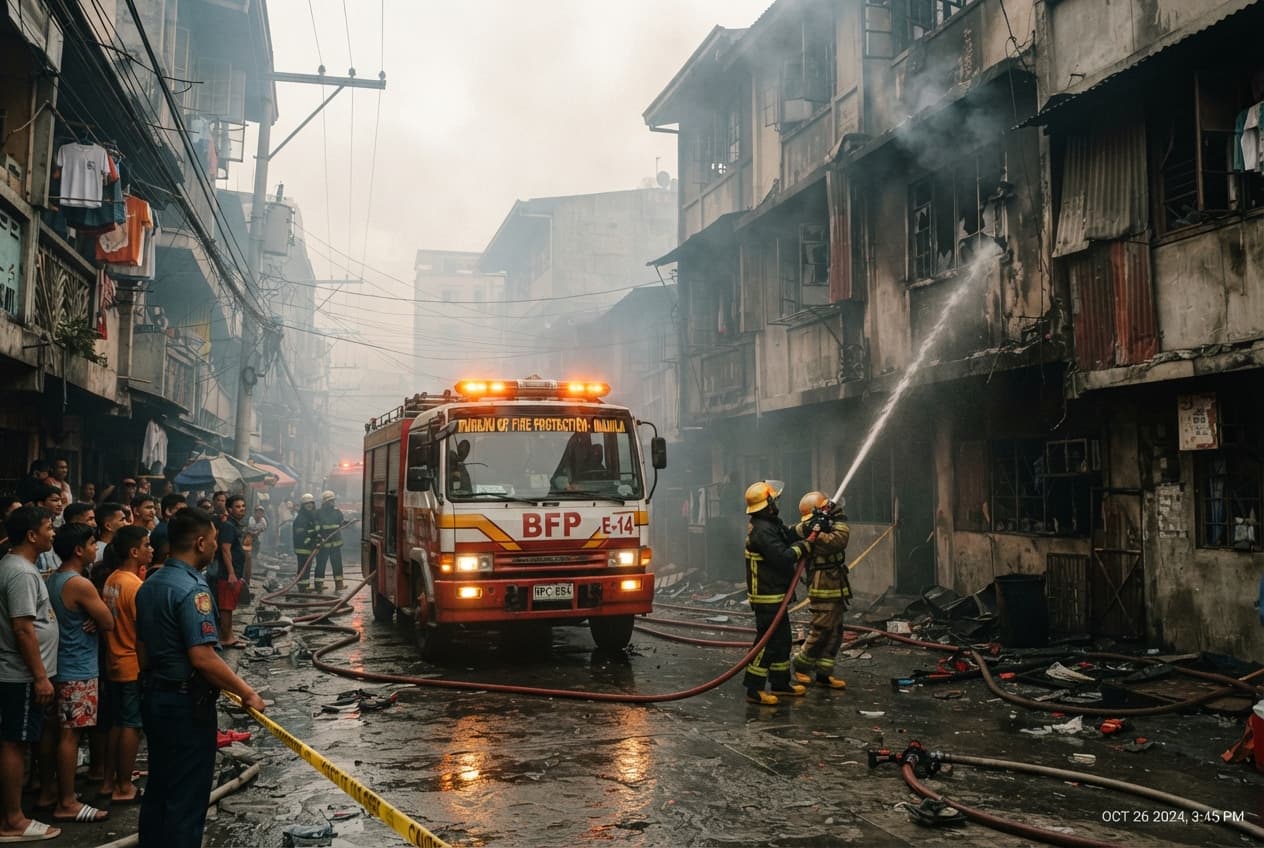
AI Image Disclaimer “Visuals are created with AI tools and are not real photographs.”
Sources:
• Wikipedia — 2026 Sikhio train disaster details and casualties.
• Thairath — Army rapid response and rescue evacuation efforts.
• Nation Thailand — casualty updates and response.
• Thairath investigative task force reporting.
• Reddit eyewitness/rescue extraction details.
Published by Banx Network. This article is part of the Banx decentralized media programme, powered by the BXE token on the XRP Ledger.