
Key Highlights
- Memorial Day Protests:Families gather outside officials' homes to express grief.
- Symbolic Locations:Demonstrations shift remembrance from monuments to personal spaces.
- Ongoing Negotiation:The events highlight the tension between public commemoration and individual loss.
In the quieter edges of late spring, as flags begin to appear on porches and storefronts, public memory often gathers in small, concentrated spaces. This year, as Memorial Day approaches in the United States, bereaved families have reportedly staged quiet demonstrations outside the residences of senior political figures, including the Prime Minister and various ministers. These gatherings reflect unresolved grief and long-standing questions about loss, accountability, and remembrance, marking a poignant intersection of private mourning and public expression.
Memorial Day, observed nationwide as a moment of national remembrance for those who died in military service, carries a dual rhythm: ceremonial solemnity in official spaces and personal reflection in homes and communities. The families involved in these protests seem to draw attention to the latter—the less structured, often more difficult-to-define aspect of remembrance that occurs outside formal commemorations. Their actions serve as a reminder that grief is not confined to designated days of observance but is an ongoing process that can manifest in various forms.
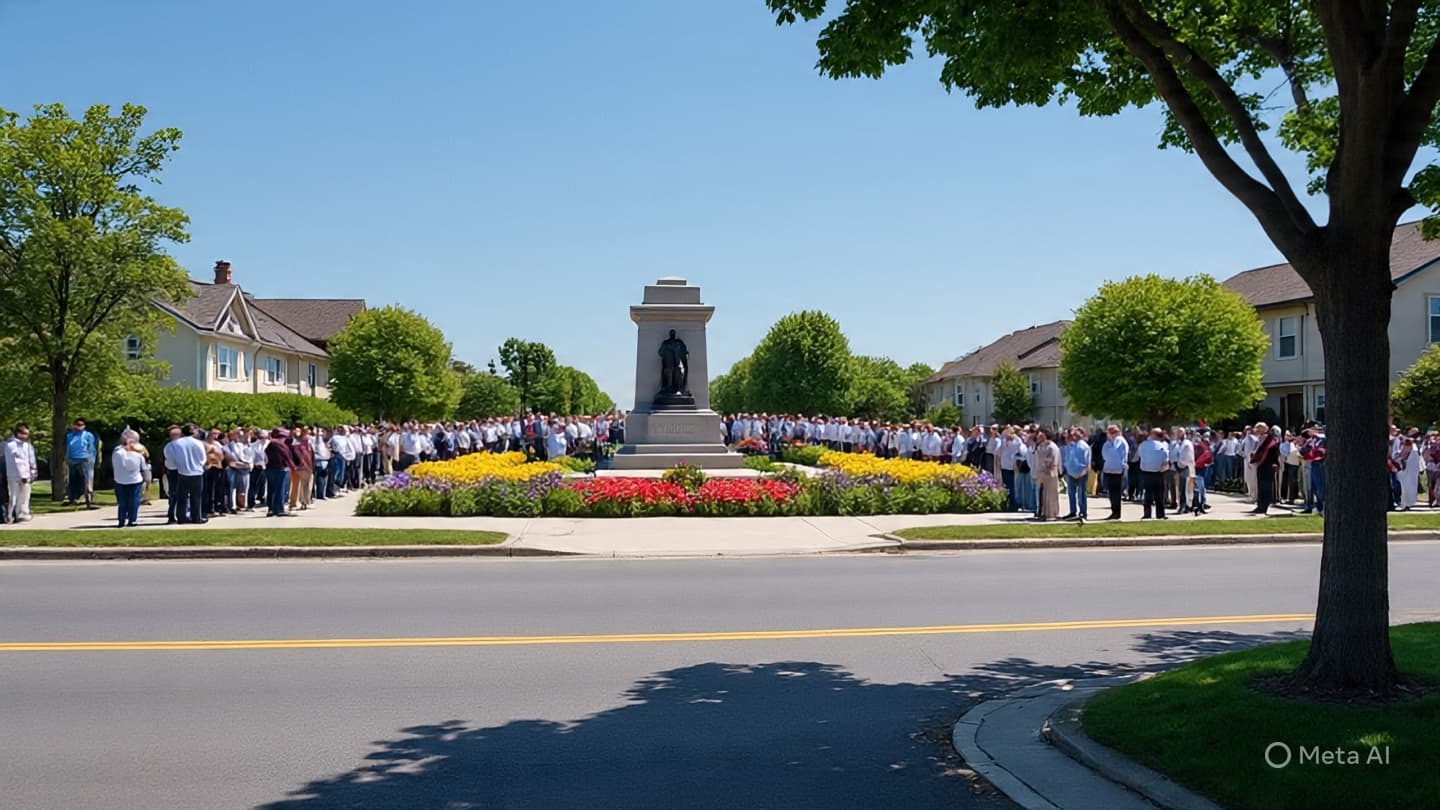
The choice of location for these demonstrations—outside the private residences of government officials—adds a layer of symbolic proximity. It shifts the focus of remembrance from centralized monuments to everyday domestic surroundings, where public policy and personal loss briefly share the same physical frame. This presence of grieving families suggests an attempt to narrow the distance between decision-making and lived consequences, expressed through quiet rather than confrontational means.
Across the United States, Memorial Day has long been both a fixed date on the calendar and a fluid emotional landscape. While official ceremonies at cemeteries and memorials provide structure, individual families often navigate their own timelines of remembrance. The reported demonstrations indicate that for some, this structure feels incomplete—capable of honoring service but less able to address the complexities of individual loss. The gatherings themselves, described as small and peaceful, reflect a form of civic expression that relies less on scale and more on persistence. A handful of people standing still outside a gate can carry a different kind of weight than larger organized protests, particularly when framed by personal histories of bereavement.
Officials have not issued detailed responses beyond standard acknowledgments of public demonstration rights and the importance of Memorial Day observances. This contrast between institutional commemoration and individual protest underscores a recurring tension in public rituals of remembrance: who is seen, whose loss is represented, and how collective memory is constructed over time. The small gatherings outside government residences introduce a parallel narrative—one that does not replace official remembrance but instead exists alongside it, asking different questions in quieter tones.
As the holiday approaches, the country once again moves into a period where memory becomes both public and personal, structured and improvised. The presence of bereaved families outside political homes serves as a reminder that remembrance is not only an annual observance but also an ongoing negotiation between history, grief, and the spaces where both are allowed to appear.
Published by Banx Network. This article is part of the Banx decentralized media programme, powered by the BXE token on the XRP Ledger.



