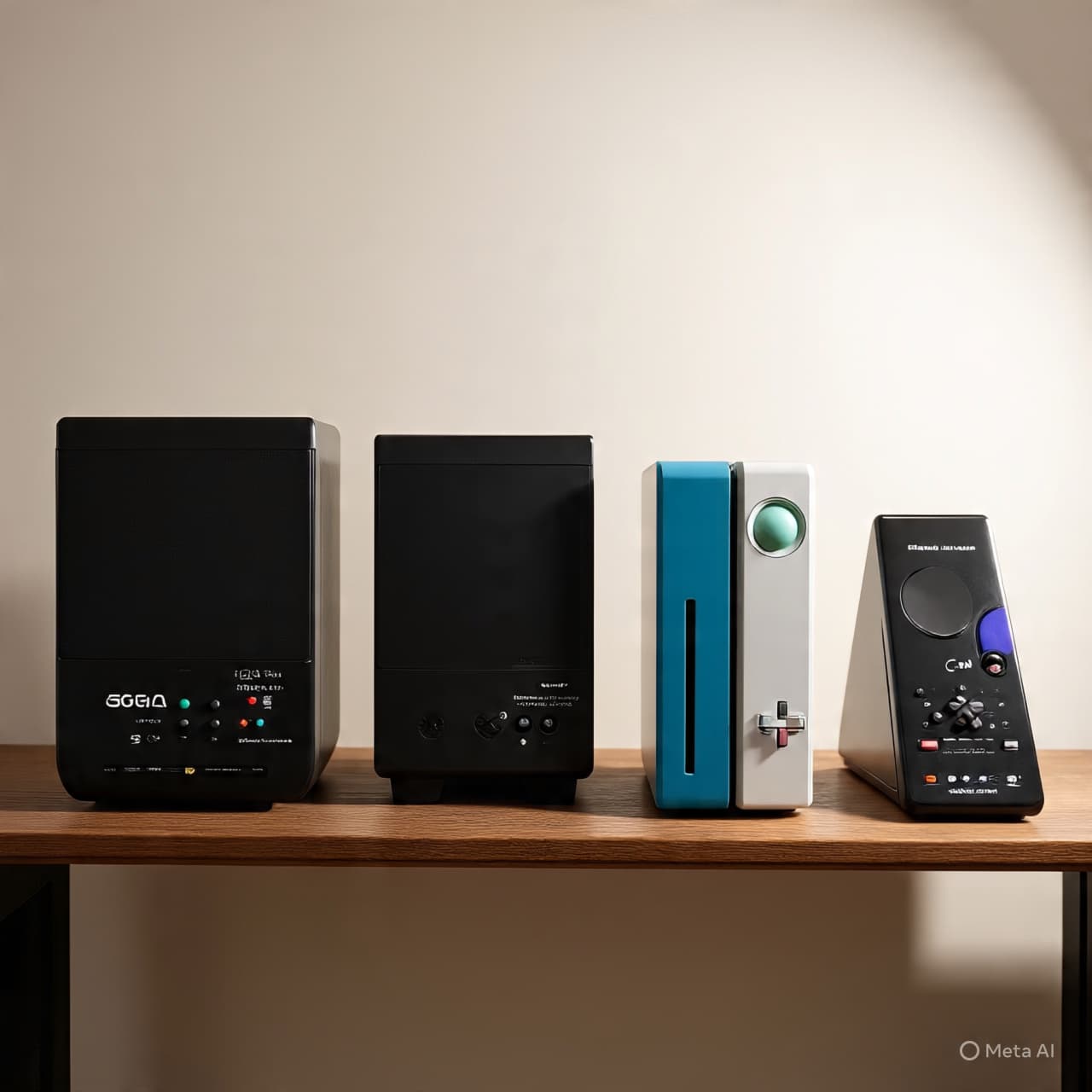
There are moments in the arc of play when the weight of a machine — its form, its hum, its promise — seems almost alive. A childhood living room becomes a landscape of worlds, each cartridge a gate to distant cities or impossible skies. In those rooms, many first discovered not just entertainment but companionship in motion, in challenge, in quiet evenings spent pressing buttons into memory.
This week, those rooms feel a shade quieter. Hideki Sato, widely regarded as one of the foundational creators of the hardware that carried Sega’s video game consoles from the earliest era into the dawn of 3D play, has passed away at the age of 77. His work — stretching across decades and platforms — helped shape the physical bridges between imagination and screen that defined the lives of millions.
Sato’s career with Sega began in the early 1970s, a time when the company was threading its way from the bright lights of arcade halls into the quieter but ever-expanding world of home consoles. Over the years, he guided research, design, and engineering teams that brought forth systems such as the SG-1000, Sega Master System, the 16-bit Mega Drive or Genesis, the ambitious multi-disc Saturn, and the dreamlike promise of the Dreamcast. Each of these machines carried its own season in the cultural weather of gaming, from pixel-dusted battlefields to the earliest online links between distant players.
There is an odd poetry in the sequence of these consoles: a progression not merely of silicon and circuitry but of collective memory. The Mega Drive’s roar of 16-bit sprites was not just a technical marker but a shared cadence for friends swapping cartridges in youth. The Saturn’s layered complexity reflected an era poised between tradition and transformation. The Dreamcast, by contrast, stood at the threshold of connection itself — a console that reached toward networked play, inviting players into new constellations of community. Through each pivot, Sato’s hand — quiet, methodical, forward-leaning — was part of a larger pattern of creation.
Beyond the machines themselves, Sato served in leadership at Sega’s research and development helm and later stepped into the company presidency in the early 2000s, guiding an organization in transition as the wider industry recalibrated under shifting currents of technology and culture. His journey mirrored that of the medium itself: from the visceral buzz of arcade cabinets to the intimate glow of living-room play, and onward toward networks that softened the edges between solo and shared experience.
According to multiple established gaming news outlets, Hideki Sato, influential Sega hardware designer and former company president, died on February 13 at the age of 77. He was known for his role in the creation of major Sega consoles across several decades and retired after a long tenure with the company.
AI Image Disclaimer Illustrations were created using AI tools and are not real photographs.
Sources (Media Names Only) VGC Kotaku Engadget Meristation Gam3s.gg
Published by Banx Network. This article is part of the Banx decentralized media programme, powered by the BXE token on the XRP Ledger.