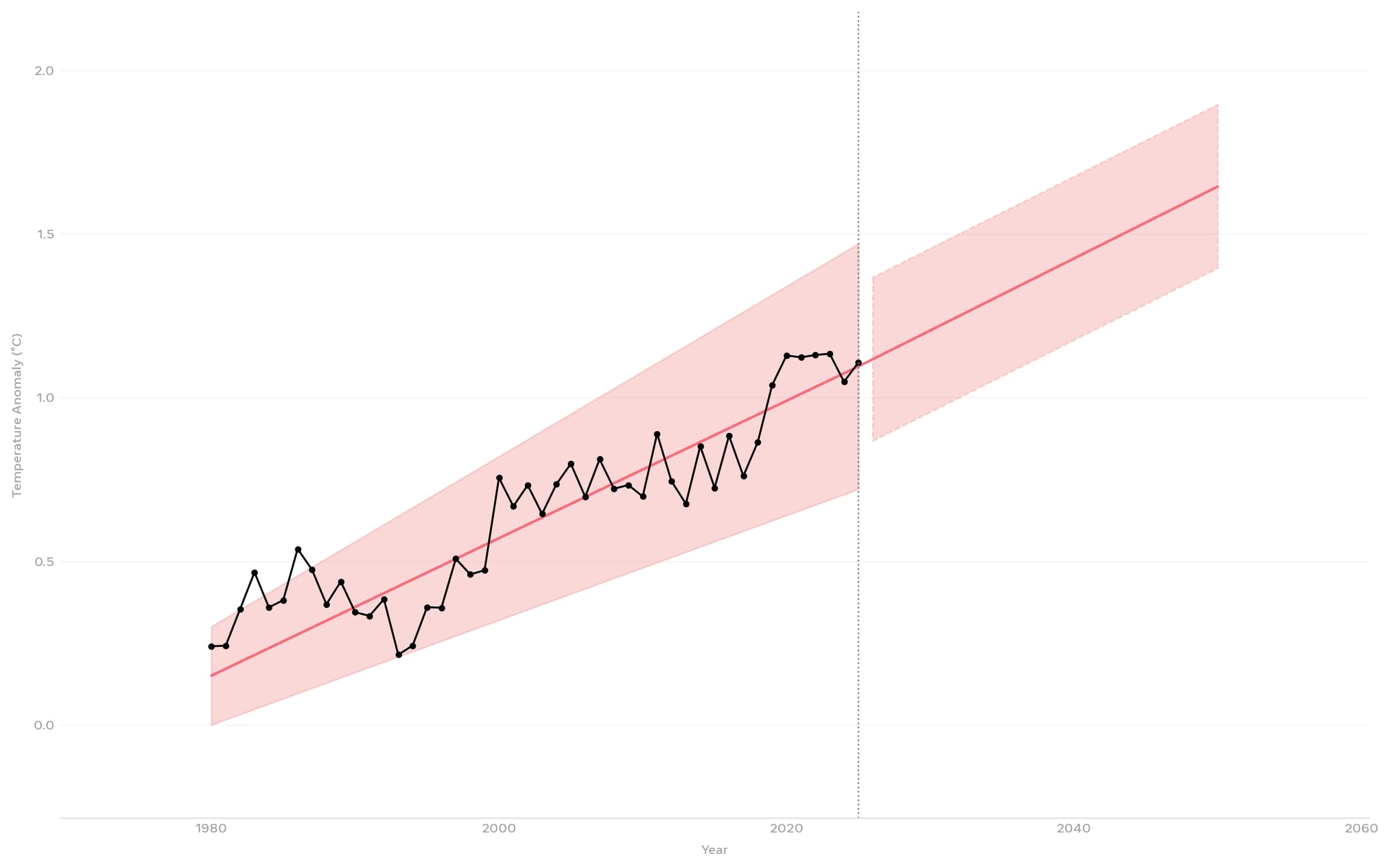
Across the world’s coastlines, the water has been inching upward with quiet persistence. Tide gauges record it. Satellites confirm it. The oceans expand as they warm, fed by melting glaciers and ice sheets far from shore. Rising seas have become one of climate change’s clearest signatures.
And yet, along the edges of Greenland, scientists say something different is about to happen. The water there is expected to fall.
The explanation lies not in contradiction, but in physics. Greenland’s vast ice sheet is so massive that it bends the Earth beneath it and pulls nearby ocean water inward through gravity. For centuries, that invisible pull has kept sea levels higher along Greenland’s coast than they would otherwise be. As the ice melts and loses mass, that gravitational grip weakens. Water redistributes itself, flowing away toward other parts of the world.
At the same time, the land itself is moving. As ice disappears, the crust beneath Greenland begins to rise, slowly rebounding from the immense weight it once carried. This uplift—measured in millimeters per year—adds to the effect. When land rises faster than nearby ocean levels, coastlines emerge rather than submerge.
Taken together, these processes mean that even as Greenland contributes significantly to global sea-level rise, its own shores may experience the opposite trend. Models suggest that over coming decades, relative sea levels around parts of Greenland could drop noticeably, reshaping harbors, coastlines, and ecosystems.
This local reversal does not soften the broader picture. The water pulled away from Greenland does not vanish. It spreads outward, adding to sea-level rise in distant regions, particularly across the tropics and the Southern Hemisphere. What looks like relief in one place becomes added risk in another.
For Greenland’s communities, falling sea levels introduce their own challenges. Ports built for today’s coastlines may find themselves too shallow. Boats may struggle where water once ran deep. Ecological zones shift as shorelines retreat seaward, altering habitats that evolved with the tide.
The phenomenon serves as a reminder that sea level is not a single number applied evenly across the globe. It is shaped by gravity, geology, and the long memory of ice. Climate change does not act uniformly; it rearranges the planet in uneven, sometimes counterintuitive ways.
In Greenland, the ocean’s retreat will stand as visible proof of loss rather than safety. Falling water there marks the shrinking of ice that once anchored sea and land together. The paradox is stark: the seas rise because Greenland melts, and they fall where that melting is most intense.
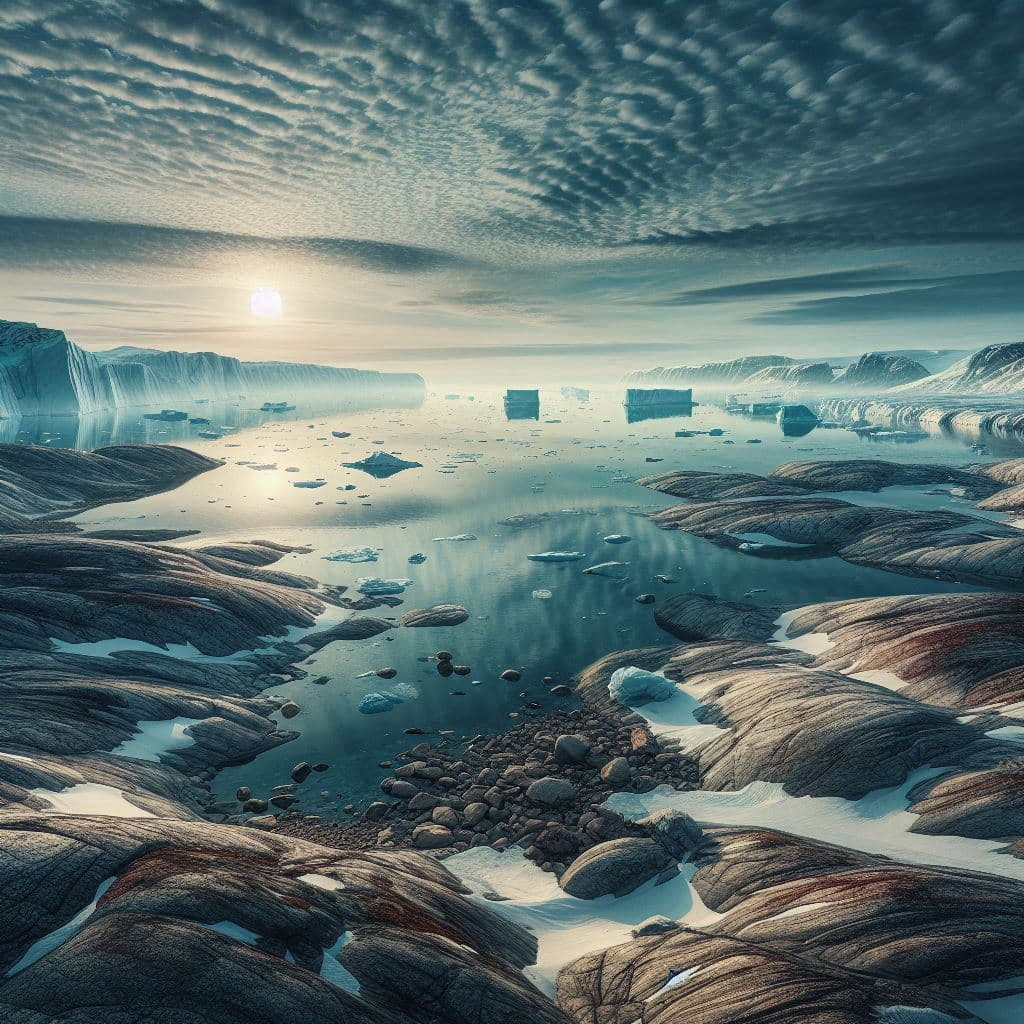
AI Image Disclaimer Visuals are AI-generated and serve as conceptual representations.
Sources NASA Intergovernmental Panel on Climate Change Danish Meteorological Institute University of Copenhagen
Published by Banx Network. This article is part of the Banx decentralized media programme, powered by the BXE token on the XRP Ledger.