There is a particular hush in corporate corridors before a shift becomes visible, a subtle calm that precedes the soft hum of something new finding its place. In offices and boardrooms around the world, that moment seems to have arrived — not as a thunderous proclamation, but as quiet consensus, measured in spreadsheets and long-range planning sessions. Artificial intelligence, which once hovered at the edges of business imagination, is steadily becoming the center of it.
A recent study from the IBM Institute for Business Value sketches this future with deliberate restraint. Drawing on responses from more than 2,000 senior executives across industries and regions, the research suggests that AI’s role in commerce will deepen significantly through the end of the decade. Where many organizations once saw AI primarily as a tool for automation, leaders increasingly describe it as a core driver of growth, capable of reshaping products, services, and competitive positioning.
Today, fewer than half of surveyed companies report seeing meaningful revenue from AI initiatives. By 2030, that figure is expected to rise sharply, with a large majority of executives anticipating AI will contribute directly to top-line growth. Investment patterns are expected to follow, with spending on AI technologies projected to increase by roughly fifty percent over the coming years. The confidence is notable, though it is accompanied by uncertainty about execution and direction.
Much of that uncertainty lies in the transition from efficiency to innovation. Early deployments of AI have focused on cost reduction and productivity gains, often confined to specific functions. Looking ahead, executives expect innovation-focused uses of AI to outpace efficiency-driven applications, supporting new business models and market opportunities. Productivity gains are projected to rise substantially, with many leaders planning to reinvest those gains into expansion rather than consolidation.
The study also reflects a broader transformation within organizations themselves. As AI becomes more deeply embedded, executives anticipate changes in governance, workforce structure, and leadership roles. New positions blending technical expertise with strategic oversight are expected to emerge, while decision-making increasingly relies on AI-informed insights. In this environment, AI is not simply an operational tool but part of the architecture shaping how enterprises function.
Still, the path forward remains uneven. Many executives acknowledge gaps between ambition and readiness, particularly around integrating AI into existing workflows and aligning it with long-term strategy. Concerns persist over skills, data quality, and the ability to scale beyond pilot projects. These challenges, the study suggests, will shape which organizations successfully translate AI potential into sustained growth.
In plain terms, the IBM study finds that business leaders increasingly see artificial intelligence as central to growth by 2030, even as they navigate the practical challenges of integration, investment, and organizational change.
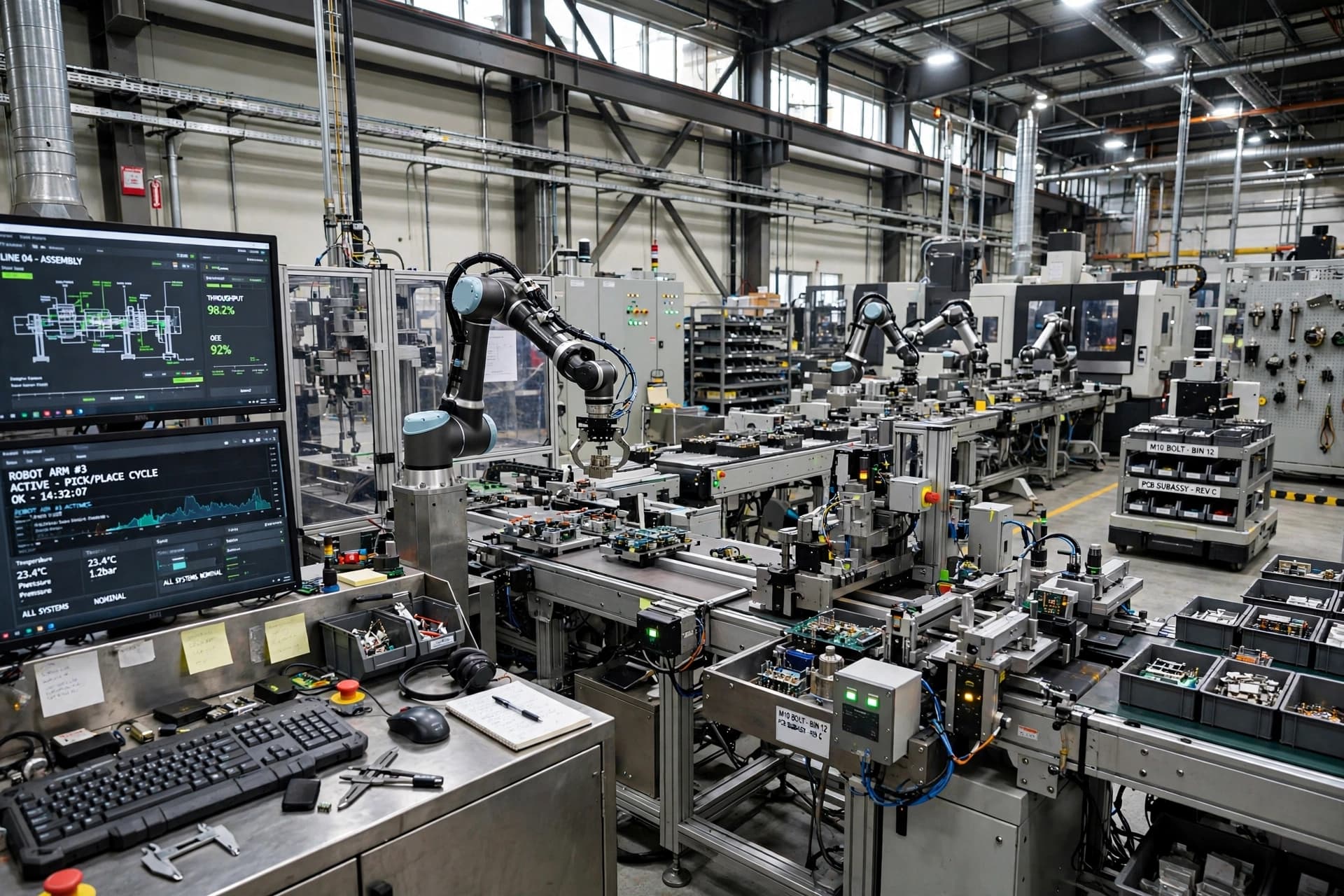
AI Image Disclaimer Visuals are AI-generated and serve as conceptual representations.
Sources (Media Names Only) IBM Institute for Business Value Reuters Bastille Post
Published by Banx Network. This article is part of the Banx decentralized media programme, powered by the BXE token on the XRP Ledger.