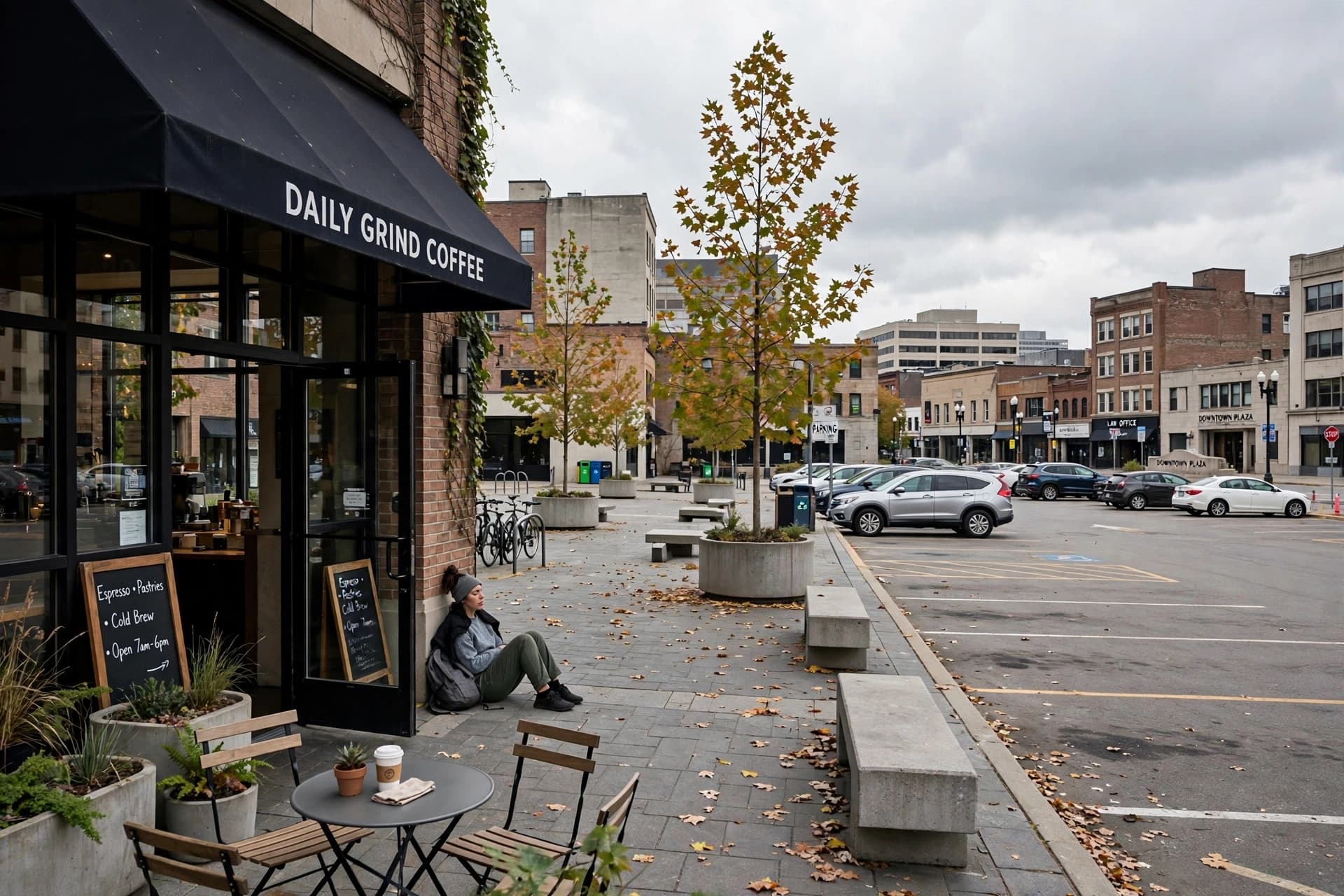
Morning light moves differently along Chicago’s great avenues, slipping between glass and stone, catching in the polished reflections of storefront windows. Along the Magnificent Mile, there is a familiar rhythm—footsteps, traffic, the quiet choreography of a city always in motion. Yet every so often, a space along this stretch shifts its identity, as if the street itself is pausing to reconsider what it wants to become.
This week, that pause takes the shape of a reopening. Uniqlo returns to North Michigan Avenue with a new flagship store, stepping once again into a corridor that has long been both stage and marketplace. Its arrival, set for Friday, marks not just the opening of doors, but the re-entry of a global retailer into a district that has seen its share of departures and reinventions in recent years.
The Magnificent Mile, once defined by an almost uninterrupted line of flagship stores and luxury façades, has quietly absorbed change. Shifts in retail habits, the rise of online shopping, and the aftershocks of the pandemic have left some spaces dimmed, others waiting. Into this landscape, Uniqlo’s return carries a sense of renewal—measured, deliberate, and attuned to a different era of shopping.
The new store is expected to reflect the brand’s evolving approach: a blend of minimalist design, functional clothing, and an emphasis on everyday essentials. There is a kind of restraint in its identity—garments that do not demand attention but invite it over time, through comfort and repetition. In this way, the store becomes less a spectacle and more a steady presence, aligning with a broader shift in consumer sensibilities toward practicality and longevity.
For the company, the decision to re-establish itself on one of Chicago’s most visible streets speaks to a confidence in physical retail, even as digital commerce continues to expand. Flagship locations still hold symbolic weight; they are not merely points of sale, but markers of visibility and intent. To occupy space on the Magnificent Mile is to participate in a conversation about relevance—about who belongs in the city’s evolving commercial narrative.
There are also quieter layers to the story. Retail workers returning to new interiors, supply chains reconnecting across continents, shoppers rediscovering the tactile experience of fabric and fit—these are the small movements that give shape to larger economic patterns. Each opening is both an endpoint and a beginning, tied to decisions made far from the storefront itself.
As Friday approaches, the street will continue its steady rhythm. People will pass by, some pausing, some stepping inside, others moving on without notice. The store will take its place among many, another light in a long row of windows. Yet in its return, there is a subtle suggestion of continuity—that even as cities change, certain patterns endure, reappearing in new forms.
In the end, Uniqlo’s flagship does not simply reopen a space; it re-enters a landscape still in the process of redefining itself. The doors will open, the lights will settle into their daily glow, and the quiet exchange between city and commerce will continue, one step, one garment, one passerby at a time.
AI Image Disclaimer These visuals are AI-generated and intended for illustrative purposes only.
Sources Crain’s Chicago Business Bloomberg Reuters The Wall Street Journal Nikkei Asia
Published by Banx Network. This article is part of the Banx decentralized media programme, powered by the BXE token on the XRP Ledger.