
Key Highlights
- EU proposes reducing electricity taxes to ease consumer costs.
- Geopolitical tensions, particularly involving Iran, impact energy markets.
- The transition to renewable energy is a key focus for long-term resilience.
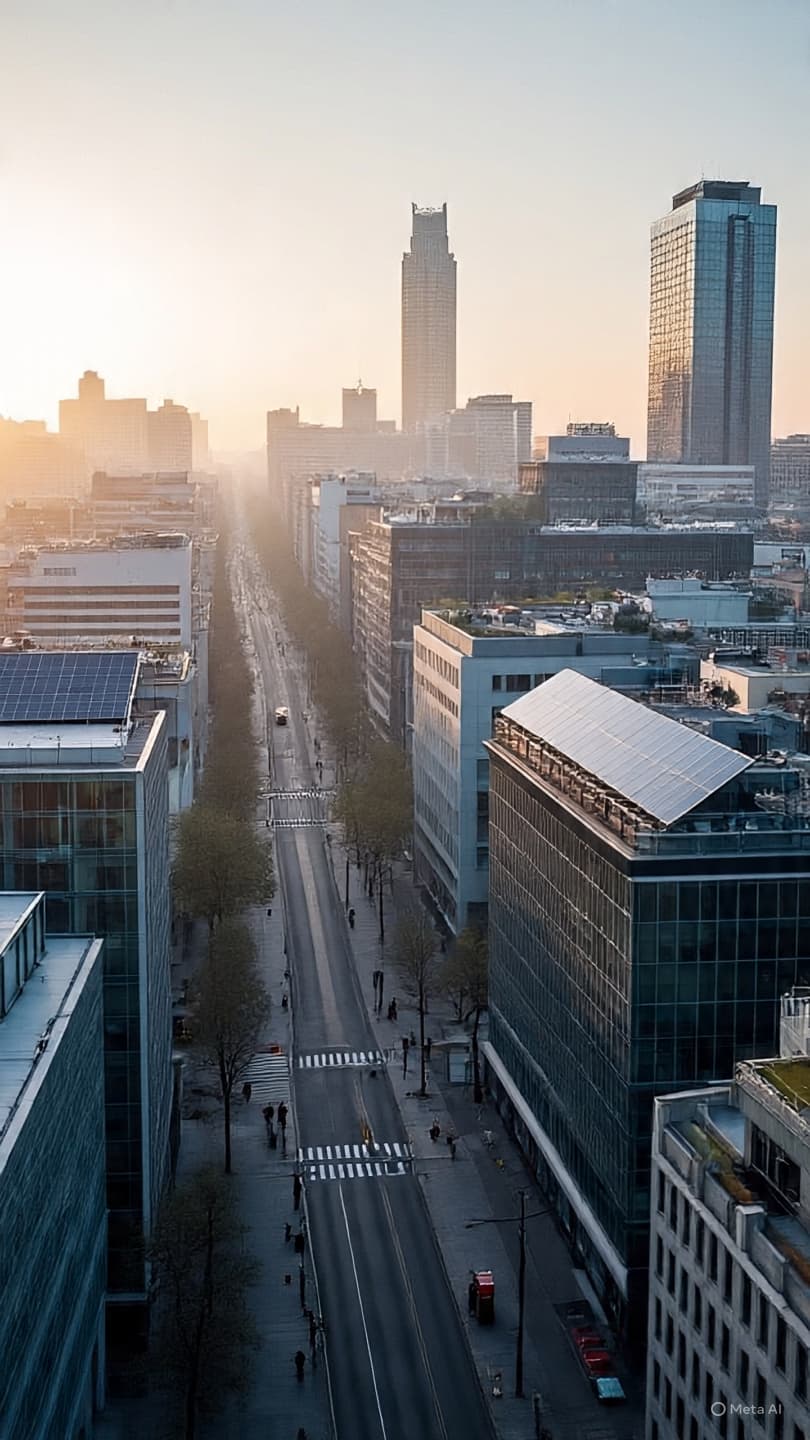
In the heart of Brussels, the morning light casts a new perspective on the city, symbolizing the shifting dynamics of Europe's energy landscape. Energy has evolved from a mere utility to a pivotal factor influencing decisions across homes, industries, and governments. The hum of electricity now resonates with the weight of geopolitics, intertwining with global tensions and supply chain uncertainties.
Recent conflicts, particularly those involving Iran, have reignited concerns over energy security in Europe. As instability reverberates through global markets, affecting oil routes and pricing, the European Union is compelled to reassess its strategies. The focus has shifted inward, with officials exploring ways to insulate the continent from external shocks while simultaneously pursuing long-term energy goals.
In response to rising energy prices, EU officials have proposed measures to reduce taxes on electricity. This initiative aims not only to alleviate immediate financial burdens on consumers and businesses but also to accelerate the transition towards renewable energy sources. The dual purpose of this proposal reflects a strategic shift that has been gaining momentum in recent years.
The approach taken by policymakers in Brussels is layered. In the short term, lowering taxes could provide much-needed relief, softening the impact of volatile energy markets. However, the emphasis on green energy—such as solar and wind—signals a commitment to reducing dependence on external suppliers, particularly from regions where political tensions can lead to economic disruptions.
Balancing urgency with continuity presents a significant challenge for EU leaders. While the green transition enjoys widespread support, it necessitates sustained investment, infrastructure development, and coordination among member states. Citizens and industries alike require assurances of stability, emphasizing the need for accessible and affordable energy in the present.
This proposal is set against a backdrop of previous efforts to reshape Europe’s energy profile, particularly in light of past crises that exposed vulnerabilities in supply chains. Each disruption, whether sudden or gradual, reinforces the argument for diversification and resilience in energy sourcing.
However, the path forward is fraught with complexities. While reducing taxes may alleviate immediate pressures, it raises concerns about public revenue and fiscal balance. Expanding renewable energy infrastructure requires not only technological advancements but also political alignment across diverse national contexts. Thus, the transition is as much about coordination as it is about innovation.
The implications of these policy discussions extend beyond the halls of power. In households, decisions regarding heating, lighting, and energy consumption take on new significance. In industries, energy costs directly influence production and operational planning. The abstract language of policy proposals gradually permeates daily life, shaping choices both large and small.
As the European Union deliberates its next steps, the facts remain evident. In response to energy market pressures linked to geopolitical tensions, EU officials are advocating for reduced electricity taxes while promoting a faster transition to renewable energy. These measures aim to provide both short-term relief and long-term resilience in an ever-changing global landscape.
As the light continues to shift across Brussels, the direction of Europe’s energy future becomes clearer—not fixed, but steadily moving towards a reality where energy, once an invisible force, remains at the forefront of public discourse.
Published by Banx Network. This article is part of the Banx decentralized media programme, powered by the BXE token on the XRP Ledger.



